From left: Prof. Angela Schoellig, along with TUM’s Federal Analysis Minister Bettina Stark-Watzinger and Professor Tamim Asfour, a researcher from Karlsruhe Institute of Technology (KIT), presents the Robotic Intelligence Gateway (RIG) at an event in Berlin. Additionally, the current state-of-the-art ARMAR-7 robotic system developed by the Karlsruhe Institute of Technology (KIT). | Supply: BMBF/Hans-Joachim Rickel
Germany’s leading robotics research centers and facilities are converging to form the Robotics Institute Germany (RIG). The Technical University of Munich (TUM), as the primary entity, played a pivotal role. Members emphasized that Roboter-Integration-Gesellschaft (RIG) must evolve to become the central point of reference for robotics in Germany.
“With palpable enthusiasm, Schoellig acknowledged the remarkable collective achievement of fostering a robust robotics community, comprising esteemed partners from both academic and non-academic institutions, crucial to the groundbreaking AI-based robotics concept’s success.” “The Reformed Infrastructure Grid is a landmark endeavour perfectly poised to make a timely impact.”
As we adapt to current industry trends in the United States, it’s evident that prominent companies are heavily investing in AI-driven robotics. “We’re driving innovation through our programme, leveraging cutting-edge analysis and expert knowledge.”
The Federal Ministry of Education and Research has funded this project for a period of four years. The Renewable Industries Group (RIG) will officially launch on July 1, 2024.
RIG units 5 strategic objectives
Backers of the Robotics Institute Germany envision innovative robotic technologies having a profound impact not only on Germany’s economy but also on the daily lives of its citizens. The group anticipates that robotics will have a profound impact on multiple industries, including healthcare, education, transportation methods, and environmental initiatives, with no single sector expected to be disproportionately affected.
RIG outlined 5 strategic objectives:
Germany aims to facilitate collaboration among locations by advertising cooperation opportunities and identifying clusters of key applied sciences that require analysis and development. Clusters designed to produce analytics for AI-driven robotics with a focus on transparency and innovation. RIG aims to focus on key issues within Germany, driving forward momentum through targeted, goal-directed analysis.
RIG companions leverage the collective strength of their partnership by utilizing shared infrastructure and resources to conduct collaborative analysis. This innovative initiative will comprise both physical and virtual research hubs, as well as software and analytical expertise that can be seamlessly shared within a dynamic, open framework.
RIG’s Expertise Program focuses on identifying and developing expertise. Established to advance knowledge in AI-based robotics, this initiative encompasses four key components: a comprehensive RIG curriculum for research-oriented instruction, a standardized introductory bachelor’s course, an innovative English-language master’s program, and a rigorous RIG doctoral program dedicated to the field of robotics. RIG will successfully establish robotics and artificial intelligence programs in higher secondary colleges, thereby drawing out the inherent expertise of students.
The Research Institute Group (RIG) intends to establish robotics benchmarks within its laboratories, enabling the development of standardized testing protocols for evaluating robotic capabilities. These expertise embody object manipulation,
To demonstrate a comprehensive understanding of aggressive marketing strategies, companies such as RIG emphasize the importance of collaboration between analytics and business departments to drive success. The RIG Innovation Program aims to identify the technical requirements of businesses and enhance their expertise readiness level. RIG seeks to promote Germany’s esteemed startup heritage and encourage researchers to pioneer innovative applications for robotics. Annually, the organization assesses the quantity and scope of newly established enterprises within the country, the number of patents filed, and the volume of direct investment from corporate sources.
.
RIG, a collaborative initiative, unites the expertise of 10 prominent German universities.
Along with and ,
The German Aerospace Centre (DLR),
With RIG entering the German robotics market, industry experts suggest they’re capitalizing on a growth momentum. Our team of roboticists is a prominent force in the global AI-based robotics community, boasting significant advancements that have significantly shaped the robotics landscape.
.”
As we reach this milestone, we’re launching our newly established Robotics Institute Germany, uniting top talent to drive innovation forward. The platform will foster a decentralized ecosystem of innovative hubs for advanced research and collaboration. By developing this methodology, we are effectively integrating the vast possibilities of artificial intelligence with robotic innovations.
Was a prominent venture capitalist in Silicon Valley, renowned for his keen eye and knack for identifying high-growth opportunities, leading to impressive returns on investment. Recently, he delivered a presentation that comprised not one, but two distinct lectures seamlessly merged into a single talk. The keynote speaker’s remarks were divided into two distinct halves: the first focused on the perils of regulatory overreach stifling innovation, while the latter explored the consequences of delayed government action and why established interests often support such a delay. He wove a narrative thread through his speeches, using cautionary regulatory horror stories to captivate audiences in the , , and.
Invoice’s closing remarks concluded with a witty remark, “The explanation why Silicon Valley is so profitable is that it’s so fabulously far from Washington,” which earned a warm reception from the audience. Regrettably, startups venturing into regulated markets would be wise to reconsider this approach, as it may not yield the best results.
View Invoice’s comprehensive 24-minute presentation or summarize his thesis in this concise 7-second clip available here. )
Landlords and overzealous regulators often stifle innovation at its inception by creating unnecessary hurdles for entrepreneurs to navigate. The traditional approach to building a business is, in fact, the antithesis of what entrepreneurs should strive for when constructing their startups. Despite being forthright about the true intention behind Invoice’s presentation.
What’s regulatory seize? Why is it unhealthy? Because relying solely on local government support and connections can lead to a limited network and opportunities for scaling, whereas startups often require a more diverse ecosystem to thrive.
Companies are required to adhere to various regulations – including tax obligations, incorporation procedures, and financial disclosure requirements. However, some have to ensure that there are no patents or however they are entirely distinct. Regulated marketplaces play a crucial role in promoting and protecting the well-being of all residents. The instance refers to the guidelines set by the Food and Drug Administration (FDA) for approving new medications and medical devices.
In a regulated market, the federal government governs the entry of services and products by controlling what can enter the market, associated costs, required features, security standards, environmental regulations, labour laws, domestic and international content provisions, and other key considerations. Within the U.S. regulation occurs on three ranges:
National legal guidelines developed by federal authorities in Washington, D.C., applicable across the country.
Legal tenets governing within a solitary jurisdiction, enforced by regional entities.
Local governments establish metropolitan and county legal frameworks.
Within the U.S. The federal government exercises regulatory authority over interstate commerce, international trade, and activities with national implications. The United States Congress determines which matters require regulation and enacts legislation outlining the specific guidelines for compliance. The United States Congress typically does not uniformly endorse all key aspects of legislation, instead aiming to elucidate how individuals, businesses, states, local governments, and other entities can adhere to its provisions. Congress enables regulatory bodies to craft rules that outline specific requirements governing permissible behavior. Regulatory bodies diligently monitor and manage these essential requirements.
Within the U.S. Startups may encounter a complex web of federal regulatory agencies, including the Federal Trade Commission (FTC), Securities and Exchange Commission (SEC), Federal Communications Commission (FCC), Consumer Financial Protection Bureau (CFPB), Environmental Protection Agency (EPA), Food and Drug Administration (FDA), Federal Aviation Administration (FAA), Occupational Safety and Health Administration (OSHA), National Labor Relations Board (NLRB), Equal Employment Opportunity Commission (EEOC), Department of Justice, and more. Companies thrive due to the legislative framework provided by Congress.
Across the country, each state maintains its own distinct regulatory environment that governs businesses operating within its borders, encompassing a range of domains including zoning, motor vehicles, state banking, building codes, public utilities, drug laws, and more.
Native cities and counties could establish their own legal frameworks and regulatory bodies to govern matters such as zoning laws, public safety, permitting processes, building codes, sanitation standards, and drug policies, thereby enabling greater autonomy and tailored solutions for local communities.
As a startup venturing into a regulated market (Telecom, Pharma, Training, Vitality, Defense, Intelligence, Health, Fintech, Insurance, Transportation, Agriculture, Gaming, Cannabis, Petrochemicals, Automotive, Air Transportation, Fishing, et al.), be aware that the rules of engagement are already set. It’s not in your best interest.
In regulated markets, established players often thwart innovative challengers by exploiting loopholes and biases that favor their own interests. Companies thrive through both internal synergy and external partnerships. (Invoice Gurley’s level.)
Companies with lucrative business models often leverage government regulations and legal actions to stave off new market entrants that could potentially disrupt their existing frameworks. Existing players utilise a range of arguments, including concerns about public safety and the perceived dearth of high-quality options or job opportunities, to lobby against newcomers. Hiring seekers often squander resources by trying to prolong their dominance in an existing market, rather than investing in creating innovative products or venturing into new markets.
The constraints hindering the growth of innovative startup companies include examples of financial leasing that restrict state-issued vehicle franchises, taxi medallion regulations, limitations on charter schools, cable company monopolies, patent trolls, bribery of government officials, and pervasive corruption.
Lobbyists, seeking to sway hiring decisions, approach legislative bodies (Congress, state legislatures, city councils) to influence authorities officials and their staff in exchange for campaign contributions, currying favor with influential voting blocks, or securing access to limited financial resources. Lobbyists also operate through regulatory bodies such as public utility commissions, taxi authorities, insurance boards, school districts, and similar entities.
Isn’t it ironic that organizations established to safeguard the public’s welfare and security often end up serving their own interests? The examples that Invoice Gurley had been discussing all along.
Within the confines of the influential Silicon Valley ecosystem, I spent the initial two decades shaping innovative products that resonated with people’s needs and desires. We competed against other companies with diverse expertise, mirroring the approach advocated by renowned investor Bill Gurley. Prior to entering the life sciences sector (therapeutics, medical devices, or diagnostics), minimal to no regulatory oversight existed. While we sidestepped Washington, Washington mostly overlooked our efforts (with the exception of protection contractors).
The tech ecosystem received an impolite awakening in May 1998 when the U.S. The Department of Justice and twenty state attorneys general have filed a lawsuit against Microsoft Corporation for engaging in anticompetitive practices aimed at maintaining its monopoly on PC operating systems and web browsers. . Until that time, no technology company had a well-structured and influential lobbying organization in Washington D.C.
Quick ahead 25 years. As the tech industry matured, it dawned on its leaders. While some firms may view mastering regulatory seizing as a significant advantage, a stark contrast exists between these smaller entities and the tech giants, which spent heavily on lobbying efforts in the 2020 election cycle, employing 333 registered lobbyists from prominent firms like Microsoft, Amazon, Google, Facebook, Oracle, Intuit, Uber, and others.
Startups have successfully disrupted regulated markets by sidestepping established rules, leveraging their agility to innovate and outmaneuver legacy players. For instance, Uber deftly navigated native taxi licensing regulations, AirBnB cleverly evaded zoning laws, and Tesla creatively bypassed state dealership restrictions. Meanwhile, SpaceX challenged the dominance of government-backed entities like the Air Force and United Launch Alliance, building formidable defenses around their businesses.
Coping with regulated markets doesn’t require a magic wand. Despite these differences, each regulated market possesses its own distinct set of rules, intricate dynamics, unique linguistic nuances, diverse stakeholders, and political underpinnings. While these markets share some similarities with more traditional business models, they’re fundamentally distinct from both business-to-consumer and business-to-business transactions that many founders are familiar with?
In what ways did you discover your market is regulated? Are you prepared to take on this challenge?
While you have the freedom to pursue your personal interests, certain activities may be subject to legal guidelines and regulations that can restrict or limit your ability to do so.
Can entrenched interests exploit regulatory frameworks to stymie our momentum and uphold the status quo?
The regulatory process unfolds as follows: No, the process is typically more complex than that. To obtain a permit online, you would usually need to create an account on the relevant government website, provide personal and vehicle information, upload required documents, and make the payment using a secure method such as credit or debit card. The fee may vary depending on the jurisdiction and type of permit. Don’t you have to invest tens of millions of dollars and countless hours in scientifically rigorous clinical trials just to secure FDA clearance and market authorization? The effectiveness of such approvals varies across different states. In each nation? To effectively promote your brand globally, leverage a diverse range of marketing strategies and digital platforms that cater to various cultures and demographics. This might include partnering with influencers and thought leaders from different regions, creating localized content in multiple languages, participating in international trade shows and events, investing in targeted online advertising, and fostering strong relationships with global media outlets and industry associations.
To achieve success, first clarify your objectives? The incumbent interests include policymakers and stakeholders who have already established themselves in the process. They can be either individuals or organizations that have gained influence through prior engagement or financial investments. Will your competitors find ways to hinder your growth and restrict your ability to expand your market share?
Identifying potential roadblocks to success, subsequent analysis reveals that opposition stems from various entities: lease-seeking opportunists who covet control; bureaucrats burdened by red tape; regulators policing the status quo; politicians prioritizing short-term gains; saboteurs secretly undermining progress; influencers peddling self-serving agendas; and entrenched stakeholders resistant to change. As you exit the construction site, you’ll encounter an increasing number of gamers, eager to share their experiences. While the objectives of your product’s end-user may contrast starkly with those of a regulator, advocacy group, key opinion leader, or politician. To ensure your success.
Shopper segmentations are mapped to visualize relationships between distinct groups of consumers with shared characteristics and preferences.
Segments are categorized by demographics, psychographics, behavior, and lifestyle factors. Key relationships include:
* Price-conscious shoppers tend to prioritize discounts and promotions. * Luxury shoppers seek high-end quality, exclusivity, and prestige. * Convenience-driven buyers value ease of shopping and speedy delivery. * Environmentally conscious consumers consider sustainability, eco-friendliness, and social responsibility. * Tech-savvy shoppers leverage online reviews, ratings, and recommendations to inform purchasing decisions. Who influences who? How do they interconnect? Before deploying and scaling a solution, organizations must adhere to various legal guidelines and rules that ensure compliance with regulations. Which of these skilled players stands out as the most dominant force in their respective games? Politicians’ Public Positions Versus Precise Votes and Efficiency: A Study in Contrast Monitor the financial situation using a budget. When an elected official’s primary benefactor is Group X, it’s futile to attempt to sway them with a compelling case. Moreover, identifying top-notch lobbyists and advisors in the relevant sector becomes crucial.
The eBook refers to this diagram as “the”.
The diagram illustrates the various beneficiaries and stakeholders that a software program firm must navigate when developing math software for middle school students. Your diagram may become even more intricate, potentially incorporating additional features and components. There’s no such thing as a predetermined approach you’ll be able to execute flawlessly from the get-go within your early-stage venture. As you exit the building, you’ll discover hidden gems by fleshing out your value proposition canvases.
While appearing refined, entering a regulated market should be an integrated approach, not a disparate collection of methods. You want a lobbying and authorities relations strategy from the very outset?
What are we trying to achieve here? It seems like you’re asking me to create a visual representation of my editing process and share it alongside this request. Am I correct?
If so, let’s get creative! To address the regulatory requirements, consideration must be given to compliance with industry standards and adherence to established best practices in order to ensure a seamless integration of new systems. This necessitates a thorough examination of existing regulations and statutes, as well as an evaluation of potential risks and implications. In what order? Are we conditioned to seek validation rather than assert our autonomy? Getting regulators to adapt and evolve their mindset requires a strategic approach. By focusing on their specific needs and pain points, crafting personalized testimonials, and empowering them with social proof. Books provide concrete illustrations of regulatory hazards, problems, and recommended solutions.
Many early-stage startups lack in-house expertise on regulatory affairs. Embrace nature’s wonders with a blend of adventure and serenity at every step: explore hiking trails, bask in sunlight on scenic overlooks, or simply take a moment to breathe in the fresh air as you wander through lush forests? Instead of relying on rent/advisors solely for the sake of outsourcing tasks, consider using their expertise to augment your own knowledge and inform your decision-making processes. While participating in a marketing campaign may yield some benefits, it’s crucial that sustained engagement, driven by financial support, influence, and physical presence in Washington D.C., is what truly moves the needle. As a result, you will need to establish an internal team dedicated to managing regulatory matters.
The consultants are eager to share their experiences with various corporate clients, highlighting successes achieved through their expertise, while cautioning against common pitfalls to avoid. They also outline the resources and strategies they utilize to drive business growth, effectively positioning themselves as trusted advisors for C-suite executives.
Will you be able to achieve comparable results with your organization? To successfully navigate emerging markets, you and your board must be harmoniously aligned on pricing strategies and the potential risks associated with entering competitive road struggles. Strategic decision-making encompasses crucial choices between seeking permission and forgiveness, as well as navigating the nuances of public vs. private battles. Tactical actions encompass a range of strategies, including influential partnerships with key opinion leaders, targeted political donations, coordinated advocacy efforts through dedicated teams, as well as carefully crafted campaigns, among numerous other approaches.
Ultimately, as the innovation ecosystem comprising venture capitalists, their limited partners, and startups, we must do a better job in demanding transparency from authorities, exposing rent-seekers and regulators who fail to govern effectively, and striving to prevent government overreach into nascent innovation. By illuminating the benefits of proposed regulations or policy modifications for nearly all regulatory bodies and decision-makers, we can foster support for a more robust system by effectively communicating how these measures will positively impact the world.
However startups? To succeed, they must develop a deep understanding of the sport and master its intricacies, exploiting every possible advantage to gain a competitive edge.
. Mockingly one of the best instance of untimely authorities regulation was AT&T and U.S. phone service. Because our competitors were inefficient. The US government endorsed this agreement, allowing the telephone industry to consolidate into a regulated monopoly that persisted for the next 63 years. Innovation in telecom outdoors of AT&T died and the trade might solely innovate as quick as AT&T accepted. The ostensible reason behind the incumbent AI suppliers’ visit to Capitol Hill. To solidify their advantage.
In regulated markets, the game is often stacked against newcomers by entrenched interests.
Perceived Hiring Needs Require Innovative Strategies and Regulatory Compliance?
Developing strategic relationships with key decision-makers and influencers from the onset.
Venture capitalists who genuinely understand the industry, not just those who wish it would stay in their rearview mirror.
To effectively navigate the ever-evolving regulatory landscape, the CEO needs to step outside the organization and gain a comprehensive understanding of the broader ecosystem?
The CEO and board must share a common vision regarding learning and methodology.
While learning from seasoned professionals, rent not outsource preliminary lobbying efforts.
The corporation will establish a dedicated Public Affairs Group to coordinate its internal lobbying efforts and navigate external stakeholder relationships.
If you define a regulatory recreation, it could become your sustainable competitive advantage.
The Detroit Police Department is revamping its facial recognition protocols following a settlement with Robert Williams, a Black man wrongfully arrested in 2020 due to a faulty facial recognition match? The court’s jurisdiction is limited to enforcing the settlement for a period of no more than four years, excluding any blanket prohibition on expert testimony. Under the newly imposed restrictions, law enforcement agencies are required to seek the strongest possible evidence for legislative enforcement purposes, and police cannot make arrests solely based on facial recognition results or conduct a lineup solely relying on facial recognition leads.
Williams presented his expired driver’s license photo as a potential match for the identification of a suspected shoplifter, allowing police to create a photographic lineup. He was arrested at his residence, outside the entrance to his household, which he describes as “utterly upending my life.” The Detroit Police Department conducted at least two facial recognition technology (FRT) searches, both instances involving Black victims, according to the ACLU’s announcement of the settlement. Studies have consistently demonstrated that facial recognition is an extremely accurate and efficient method of identifying individuals.
The newly implemented guidelines clearly state that “combining an FRT lead with a lineup identification cannot serve as a sufficient basis for seeking an arrest warrant,” according to the summary of the agreement. There must also be “substantive, unbiased and reliable evidence directly linking a suspect to illegal activity.” Police in Detroit should undergo training on the expertise that addresses racial bias in its accuracy rates, and all cases dating back to 2017 where facial recognition was used to obtain an arrest warrant will be thoroughly audited.
According to a recently published op-ed by Williams, the settlement effectively precludes DPD from substituting facial recognition technology for traditional, fundamental investigative methods.
This text contains affiliate links; when you click on such a link and make a purchase, we may receive a commission.
One of the most significant enhancements in iOS 18 is support for Rich Communication Services (RCS), which enables significantly more advanced messaging capabilities between iPhone and Android users. As carriers in the USA began to discharge their fleets.
Will my carrier support RCS messaging on my iPhone? Here’s how you can examine correctly.
Are you trying to figure out how to test RCS messaging on an iPhone running iOS 18 with the help of your carrier? To do this, follow these simple steps: Firstly, ensure that your carrier supports RCS (Rich Communication Services) and also offers it for iPhones. Then, go to Settings > Messages and toggle “MMS Messaging” to the On position. Next, restart your iPhone to apply the changes. After restarting, open the Messages app and start a new conversation with someone who also has RCS-enabled device.
To seek RCS assistance on your iPhone, follow these precise steps:
Open Settings
Faucet “Common”
Faucet “About”
Please find the revised text in a different style as a professional editor:
What’s my eSIM information? I’d like to know more about my Community details
Faucet on “Provider”
When tapping on “Provider,” the interface should refresh to display IMS standing details. In case your provider has enabled RCS help, you’ll see “Voice, SMS & RCS.” In case your provider hasn’t enabled RCS, you’ll simply see “Voice & SMS.”
To ensure seamless functionality, don’t forget to enable Remote Code Execution (RCS) in the Settings application. Although this toggle was initially enabled for my use case, I’ve noticed that the results may vary depending on individual experiences.
Open Settings
Scroll down and faucet “Apps”
Scroll down and faucet “Messages”
Enable the RCS Messaging feature.
Don’t worry when you’re lacking RCS support; there are other options available to assist you. As Apple’s iOS 18 continues in beta testing, carrier support for its features is expected to roll out gradually until the public launch in September, pending a seamless transition.
RCS (Rich Communication Services) enables seamless interactions by offering features akin to read receipts, typing indicators, high-quality photos and videos, and more, facilitating efficient messaging across iPhone and Android platforms.
Is our column the go-to spot where we highlight and condense the most significant stories of the week, allowing you to catch up on the latest tech news?
That’s Android Central’s Information Weekly – your authoritative source for a compact recap of the week’s most significant tech stories. In this esteemed publication, we spotlight the most compelling news and breakthroughs shaping the digital landscape, offering a comprehensive overview of the latest advancements.
This week, we delved deeply into the latest developments: Moto Razr series acquisition, Google’s Made by Google announcement a month ahead of schedule, Samsung officially setting the Unpacked date, Galaxy Watch appearing on Amazon, and Google unveiling new AI tools tailored specifically for educators.
What’s the playbook say?
This week, Motorola unveiled its latest foldable devices, the Razr 2024 and Razr Plus 2024, featuring expansive screens enhanced by AI-driven technology.
The Motorola Razr Plus 2024 arrives as expected, packing a powerful processor, 12 gigabytes of RAM, and 256 gigabytes of internal storage. The device also boasts a dual-camera setup, featuring a primary 50-megapixel sensor and a telephoto lens with 2x optical zoom capability, capable of capturing high-quality images. Despite being the largest win, the real standout feature is actually its 4-inch POLED cover display, which Motorola claims is the largest cover display available on any phone to date.
The internal pOLED display unfolds to reveal a 6.9-inch, 1080p panel featuring a rapid 165Hz refresh rate and a dazzling 3000-nit peak brightness. Customers can explore all compatible apps on the system’s cover display, including those from Google. The Motorola Razr Plus 2024 boasts a palette of four vibrant colour options: Midnight Blue, Fresh Mint, Soft Peach, and Blazing Coral.
The standard Razr 2024 offers a similar size to its premium counterpart, but with a reduced cover display. The device boasts an impressive 3.6-inch 90Hz OLED display. Initially, the device appears to be a refined version of last year’s model, boasting subtle upgrades such as a new chipset, a larger 4,200mAh battery, and a flagship-grade 50-megapixel primary camera equipped with optical image stabilization (OIS). The internal display measures 6.9 inches and features a reduced 120Hz refresh rate. The Motorola Razr smartphone comes in a range of stylish colours, including Seaside Sand, Koala Gray, and vibrant Spritz Orange, all featuring cruelty-free vegan leather options.
Get the latest news from Android Central, your go-to source for all things Android.
The Motorola Razr Plus 2024 and Razr 2024 are reportedly set to release on July 10, with pre-orders opening on the same day and in-store availability commencing July 24. The devices will be priced at $999 for the Plus model and $699 for the standard edition.
The Pixel 9 series may debut earlier than expected in 2023.
Discover the one who will make you appreciate Latin XIII VIII MMXXIV. pic.twitter.com/WJqL6g9ahO
When reports emerged that a significant number of individuals from Android Central, along with various tech enthusiasts across the industry, were taken aback this week. Google has sent out customized invitations for its forthcoming “Made by Google” event, set to take place prior to the fall season this year.
On Tuesday, August 13, the highly anticipated event will take place at Google’s headquarters in Mountain View, California, commencing with the keynote presentation at precisely 10:00 a.m. Product technology (PT), driven by hands-on product expertise.
As anticipation builds for this event, with the rumored Pixel 9 Pro and Pixel 9 Pro XL already generating excitement, we’re also expecting a trio of significant reveals: the next-generation Pixel Buds, the highly anticipated Pixel Fold, and possibly a new Pixel Tablet to shake up the market in August. The Google software program, currently in beta, is expected to roll out earlier than anticipated, possibly even on the Pixel 9’s release day, straight from the box.
The invitation dispatched by the search giant also suggests that Made by Google will unveil “the pinnacle of Google AI,” hinting at potential Gemini advancements on the horizon. As some might find surprising, Google’s recent merchandising move may indicate an effort to simplify its product rollouts and gain a competitive edge by getting ahead of rivals in terms of timely announcements.
Registration for the event will commence on July 31.
Samsung unveiled its highly anticipated Unpacked event with a formal announcement.
Samsung announced in a recent press release to Android Central that the next frontier of Galaxy AI is on its way. The corporation is poised to stage its next Galaxy Unveiled event on July 10 in Paris, France. The corporation is poised to unveil its implementation of “groundbreaking enhancements”.
As the summer season unfolds, anticipation builds for Samsung’s highly anticipated launch of its latest cutting-edge technology. The corporation has officially confirmed key details about their system during MWC 2024. Dr. Hon Pak, head of the Samsung Digital Wellbeing team, informed reporters that the Galaxy Ring’s battery life is expected to range from “approximately five to nine days”.
Aside from the ring, Samsung’s forthcoming foldables are generating buzz, with multiple renders emerging for the anticipated Galaxy Z Flip 6 and Fold 6 models. Wearable technology enthusiasts may soon witness a diverse array of innovative devices, each designed to cater to specific needs or occasions.
EVP and Head of R&D Cell Expertise, Received-Joon Choi, that an “optimized” Galaxy AI expertise would arrive on its clamshell and book-style gadgets. Samsung views its devices as versatile tools that cater to diverse user needs.
While little attention was given to expectations, attendees must register in advance for the event scheduled for July 10 at 9:00 a.m. EDT, 6 a.m. PDT, and three p.m. CEST (Central Europe).
The Samsung Galaxy Watch 7 has been spotted on Amazon, fueling rumors of an imminent release.
On June 25, Canada’s Amazon listings unexpectedly revealed the long-rumored Samsung Galaxy Watch 7 and its specifications.
Noted by experts, this itemizing highlights the standard Galaxy Watch 7 Bluetooth model, featuring a 40mm case size and a competitive price point of approximately CAD 358 (approximately $268 USD). The new smartwatch is officially confirmed to feature a circular display and boast at least 128GB of storage capacity. The device will be driven by a cutting-edge 3-nanometer system-on-chip (SoC), ensuring a significant boost in energy efficiency while providing seamless, streamlined performance across the board.
Reports suggest that the upcoming smartwatch may feature a BioActiveSensor capable of tracking various wellness metrics, including heart rate monitoring during exercise, blood oxygen levels, and even sleep quality assessment with detailed evaluations.
The Galaxy Watch 7 will likely feature Galaxy AI, as described as “A Customized Day-by-Day AI Companion for AI-Powered Sleep, Workouts, and Communication.” This isn’t surprising, given that recent watches already offer similar options on the Galaxy Watch 6. Another notable point is that the Galaxy Watch 7 may be available in a Cream colorway, alongside multiple color choices.
According to the Amazon listing, the watch may arrive at customers’ doorsteps as soon as July 16.
Are safety precautions necessary when utilizing Gemini equipment in educational settings?
The ongoing debate among college students regarding the use of AI in their studies – should they be granted access and support or is it merely leading to laziness? – has just been fueled by a fresh development from Google.
The company announced its readiness to roll out Gemini to teenage college students through faculty accounts across more than 100 countries. According to a statement, the corporation revealed that “in the coming months,” teenagers meeting the minimum age requirement of 13 will be able to communicate with Gemini via their faculty account.
According to Google, Gemini’s features may be disabled by default, but faculty administrators can enable them through the “Admin console.” Additionally, institutions using Gemini with student accounts can implement safeguards to block inappropriate content.
Gemini will automatically exclude any unlawful or age-restricted substances from appearing in search results. When initially asked to provide a response, the AI will conduct a fact-check. Google appears poised to empower educators and students at the heart by enabling “teen students to learn responsibly and confidently in an AI-first world.” The extent to which institutions will effectively integrate the capabilities of artificial intelligence into their curricula remains to be seen.
These are some of the most remarkable stories from this past week. In the interim, consider revisiting these additional stories that warrant your attention.
In 1993, effectively earlier than The artist designed a prototype wearable PC that looked like nothing else. The CyberDesk was a pioneering endeavour in augmented reality technology, blurring the lines between the physical and digital worlds. As technology had largely automated the world of computing, Krohn imagined a futuristic, adaptable attire that seamlessly merged aesthetics with functionality.
Krohn pursued studies in art history and architectural history at Brown University, later obtaining a Master’s degree in the same fields. RISD students completed their degrees earlier than those who finished an MFA at Cranbrook Academy of Art in Bloomfield Hills, Michigan, in 1988. As she wrote, she tapped into the zeitgeist that has long fascinated creatives, innovators, and intellectuals: the intersection of human experience and machine intelligence, with its promise of a thrilling hybrid future.
What’s Lisa Krohn’s Cyberdesk?
Though a functional prototype of the Cyberdesk remained conceptual, the yellow eyepiece hinted at an imminent retinal display.Lisa Krohn and Christopher Myers
The Cyberdesk, crafted from a combination of durable materials including resin, plastic, steel, and glass, was designed to be worn as a futuristic necklace. Four circular interfaces flank the breastbone, housing a prominent trackball that serves as the primary navigation device for accessing menu options via a connected keyboard. A sleek microphone is positioned against the throat, while a discreet earpiece is carefully inserted into the left ear. As Krohn envisioned it, the yellow tube would hover at the entrance of the proper eye, akin to a retinal scanner projecting a laser beam directly onto the back of the eye, creating a virtual screen perfectly centered in the individual’s line of sight. In the brain, there’s a portal hinting at a possible neural connection. What could harness power from both bodily movement and solar energy?
A portal on the edge of the Cyberdesk was intended as a neural gateway.Lisa Krohn and Christopher Myers
Krohn collaborated with a student from the Artwork Heart College of Design to develop two conceptual designs for the Cyberdesk, although it never progressed beyond the conceptual stage and became a functioning prototype. Despite a lack of foundational understanding, pioneering engineers had indeed explored analogous ideas. Although Krohn was aware of the research at the University of Washington’s Human Interface Technology Laboratory, she ultimately chose not to pursue a collaboration.
In an email exchange, Krohn described her design concept as “strategic foresight, speculative know-how, predictive design, or design fiction,” clarifying its nature. Krohn envisions a feasible future where human and machine converge to form a harmonious, super-advanced entity – a cyborg, as described on her company’s website: “Individual and machine merge into one seamless collaborative super-being!”
The CyberDesk was not Krohn’s sole creation in cyborg technology; indeed, his innovative portfolio extended far beyond this singular innovation. In 1988, before the advent of widespread smartphone use and internet searching, she conjured up That combined satellite TV for PC navigation, a phone, a wristwatch, and local information services. Crafted from a flexible yet durable plastic, this innovative design allows for effortless folding into an elegant ornament that can be worn as a stylish cuff when the device is not in use.
Lisa Krohn created a foldable wrist computer that offers versatility and space-saving design. Lisa Krohn
Prior to the widespread adoption of the term “wearable,” Krohn created the Wrist PC prototype, pioneering the concept of wearable devices that integrated computer technology. Futurist Is widely recognized for coining the term “wearable PC” and publishing a seminal article on the concept in 1991. Predicting that initial wearable applications would focus on the belts of maintenance personnel before extending to deskless, data-driven roles like inventory management in retail settings. He also proposed a wearable gaming console comprising a miniature display integrated into sunglasses, paired with a power-generating glove that amplifies user movements. Nowhere did he consider technological expertise as an artistic flair, nor was he likely pondering the feminine perspective when making his forecasts.
In the meantime, As a graduate student at MIT, I was immersed in exploring concepts for mediated imagination. In his initial endeavour, Mann aimed to design advanced welding masks that could safeguard welders’ eyes from the intense glare of the electric arc while still allowing for unobstructed visibility. This prompted him to explore ways to utilize video cameras, programs, and computer systems to seamlessly translate his imagination into real-time visualizations. As the founders of Each Krohn and Mann navigated the digital landscape, they encountered analogous real-world hurdles: cellphones were still in their early stages, the internet was slowly gaining traction, GPS technology was primarily civilian-use and databases remained largely offline, with the hardware being cumbersome and bulky. While Mann built functional prototypes for personal testing, Krohn explored innovative concepts.
Each entry in Krohn’s phonebook functions as a distinct entity – dialer, recorder, and output device. The trio of Lisa Krohn, Sigmar Willnauer, and Tony Guido?
Krohn also dedicated himself to developing practical technologies for businesses. In 1987, she conceptualized and designed a pioneering prototype that would later revolutionize the field of… A versatile device, featuring a built-in telephone with answering machine functionality and a printer for added convenience. Each “web page” in the phonebook performed a unique function, which was automatically adapted by an electrical switching mechanism as the page was turned, accompanied by clear printed instructions. The innovative design stood out starkly from the typically cumbersome and complicated answering machines of its era.
The phonebook exemplified the concept of “product semantics,” where a product’s design should effectively convey its purpose and significance, allowing users to intuitively understand its function. At Cranbrook, Krohn studied beneath Designers who wholeheartedly endorsed that notion of creative vision. In Krohn and Michael McCoy’s 1989 essay “The Phonebook,” they explored the concept that the phonebook can be seen as a digital machine that is cast into a private agenda. This attempt to make a product reach out to its customers by informing them about how it operates, where it resides, and how it fits into their lives demonstrates an understanding of the importance of communication in today’s society.
Lisa Nakamura, a renowned expert in digital culture and feminist theory, pioneered the field of cyberfeminism by exploring the intersection of technology, embodiment, and gender. Her work on cyborgs – hybrid beings that blend human and machine – has significantly contributed to our understanding of the ways in which technology shapes our identities and experiences?
In 1993, Lisa Krohn pioneered the Cyberdesk, a groundbreaking innovation that bridged the gap between reality and science fiction, as wearable computer systems began to take shape. Dietmar Quistorf
The CyberDesk, along with the Wrist PC, were pioneering examples of designs inspired by. Within the early 1990s, a feminist movement arose as a response to the male-dominated landscape of computing, gaming, and various online spaces, seeking to challenge and disrupt the status quo. Crafted within the realm of feminist science fiction, drawing inspiration from esteemed authors like Octavia Butler, Vonda McIntyre, and Joanna Russ, as well as innovative practitioners of hacking, coding, and multimedia artistry. Cyberfeminist movements evolved independently across the globe, with distinct threads emerging in Australia, Germany, and the United States. While traditional portrayals of cyborgs overwhelmingly favored a masculine perspective, cyberfeminist thinkers subverted this narrative by conceptualizing gender-neutral cyborgs and recombinant beings that harmoniously merged machines, plant life, humans, and animals.
The feminist theorist and historian of technology Fueled by Donna Haraway’s seminal 1985 essay “A Cyborg Manifesto,” embedded within her book Simians, Cyborgs and Women: The Reinvention of Nature, she posited that as the twentieth century drew to a close, humanity was converging with technology, blurring the lines between organic and synthetic entities. The cyborg’s core idea revolved around linguistic exchange, prompting them to explore whether artificial entities could facilitate seamless interplay between diverse languages and identities. Taken as a seminal text in the development of cyberfeminism, Donna Haraway’s work was re-released in her 1990 e-book.
Krohn envisioned a plausible future where the boundaries between human and machine would dissolve, yielding a harmonious fusion of individual and technology – a cybernetic organism, or cyborg.
In their 1989 essay, Krohn and McCoy further emphasized the significance of effective communication as a primary shortcoming in contemporary design. Designers contended that mainstream products had succumbed to a stifling homogeneity, sacrificing functionality for the sake of mass production efficiency, ultimately rendering their intended purpose obscure.
As Haraway and Krohn observed, alternative approaches to knowledge emerged, including the potential of microelectronics to transcend the limitations of the past. As they explored the intersection of human and machine, these women discovered innovative ways to transcend linguistic barriers and redefine feminist discourse, ultimately crafting a fresh narrative for their movement.
Cyberdesk 2.0
I had the pleasure of interviewing Lisa Krohn during a roundtable discussion on The Cyberdesk at the 2023 annual conference of the… . The collective team, comprising curators and conservators from both institutions – each possessing a Cyberdesk prototype in their collection – deliberated on a potential Cyberdesk model 2.0. Would sleek lines and futuristic architecture define a reimagined cityscape as Krohn’s innovative vision takes shape, incorporating cutting-edge technology to create a hub of sustainable innovation and progress.
By the dawn of 2023, Krohn dramatically revamped the Cyberdesk, breathing new life into this once-staid digital space. The device now leverages cutting-edge knowledge that was unavailable three decades ago, featuring sensors capable of monitoring brain activity, hydration levels, and stress metrics.Duvit Mark Kakunegoda
The group focused its discussion on the notion of “design futuring,” a concept popularized by Tony Fry in his 2009 e-book, “Design Futuring.” Designing futures is a proactive approach that shapes the long-term trajectory, rather than attempting to predict and then react to what unfolds. Can designers use design futuring to promote environmentally conscious practices and encourage sustainable consumption?
In the context of the Cyberdesk 2.0 initiative, securing a commitment to sustainability may yield a unique arrangement for procurement. The innovative resin provided a flexible material that conformed seamlessly to the natural curves of the human body. Despite its short-term benefits, the system’s long-term stability remains a significant concern. Despite the best efforts at conservation, the Cyberdesk is likely to degenerate into a sticky mess sooner rather than later. In an earlier installment of this series, I explored several key points. Owned by John Bardeen, this artifact is plagued by the inherent vice of decaying materials.
Panelists considered alternative options such as biomaterials, discussing the entire product lifecycle, the challenges posed by digital waste, and the mining of rare earth elements. As they deliberated on how the design process and global supply chain might evolve if these components were considered from the outset, rather than being addressed later.
As historians, artists, curators, and conservators deliberated on the Cyberdesk, various ideas began to surface. Would numerous additional engineers currently be involved? That conversation could have held significant value for me. Artwork has the unique ability to unlock innovative designs and push boundaries in new mediums, simultaneously allowing us to reflect on knowledge gained in daily life. Artists can learn from engineers about innovative materials, cutting-edge technologies, and emerging opportunities. Collaborating effectively, we must separate knowledge and design from speculative and predictive elements. Engineers and artists can shape the long-term reality.
As a dedicated team, the Chrome Safety Staff is steadfast in upholding the highest standards of customer safety and privacy, refusing to sacrifice either for any reason.
It is stated that CA (Certificate Authority) certificates embedded within the root store must provide value to Chrome end-users that outweighs the risk associated with their ongoing inclusion. When California homeowners respond to incidents, our revised edition highlights essential factors we consider crucial. When challenges arise, we rely on CA homeowners to drive substantial and tangible transformations, resulting in measurable progress with empirical evidence.
For several years, Entrust’s publicly disclosed practices have consistently fallen short of industry expectations, casting doubt on its competence, reliability, and integrity as a trusted Certificate Authority proprietor.
To ensure the ecological balance and safeguard the natural world, Chrome is committed to implementing measures that will maintain the health of its surrounding environment.
Starting February 10, 2023, TLS servers using Entrust roots with a Signed Certificate Timestamp (SCT) dated after will no longer be trusted by default.
TLS servers authenticating with certificates validated against these root sets, whose Subject Alternative Names include an SCT that remains unaffected by this transformation.
The approach strives to minimize disruptions for existing subscribers by leveraging a recently integrated Chrome extension to override default assumptions based on SCTs in digital certificates.
If a Chrome user or enterprise needs to implement any of these certificates on a specific platform and model of Chrome, for instance, it implies a group policy object is conveyed through Windows, the SCT-based constraints outlined above can be superseded, allowing certificates to function as they currently do.
To further minimize the risk of disruption, website operators are encouraged to review the regularly requested questions listed below.
Certification authorities (CAs) occupy a position of utmost trust and responsibility on the internet, providing the essential foundation for secure, encrypted communication between browsers and websites to ensure the integrity of online transactions. As a result of this heightened accountability, there is an implicit expectation that all parties will adhere to cost-effective and universally accepted standards for ensuring safety and compliance, as outlined in the CA/Browser TLS Baseline Requirements.
During the past six years, we’ve observed a pattern of recurring compliance failures, broken promises to improve, and an alarming lack of concrete, quantifiable advancements in response to publicly disclosed incident reports. As a result of considering these components collectively and evaluating their inherent risk to the web ecosystem, we believe Chrome’s ongoing trust in Entrust is no longer justified.
Blocking motion will commence around November 1, 2024, impacting certificates issued from then onwards.
Blocking motion will now seamlessly occur across various platforms, including Windows, macOS, Chrome OS, Android, and Linux. Apple’s app review guidelines prevent the use of Chrome’s Certificate Verifier and Root Retailer on Chrome for iOS devices.
By default, Chrome users in the specified populations visiting websites hosting certificates from Entrust or AffirmTrust after October 31, 2024 will encounter a full-page interstitial.
Certificates issued by various Certificate Authorities (CAs) will not be affected by this proposal.
Website operators can determine whether they are impacted by this issue by utilizing the Chrome Certificates Viewer.
Visit a website.
Click on the “Tune” icon
Click on “Connection is Safe”
The Chrome Certificates Viewer opens.
When the “Group (O)” area under the “Issued By” heading contains either “Entrust” or “AffirmTrust”.
If the “Certificate Details” section under the “Issued By” header contains either “Entrust” or “AffirmTrust” in the “Group (O)” area.
We recommend that impacted website owners transition to a reputable, publicly-trusted Certificate Authority (CA) proprietor at the earliest feasible opportunity. To minimize the impact of hostile online consumer influence, it is proposed that any prevailing certifications that are set to expire on or after November 1, 2025, have their expiration dates deliberately moved forward to occur before October 31, 2024?
While website operators may delay the impact of blockage by opting to obtain and configure a fresh TLS certificate issued by Entrust prior to Chrome’s blocking measure commences on November 1, 2024, they will ultimately need to acquire and configure a new TLS certificate from one of the many other Certificate Authorities (CAs) included in the Chrome trust store.
Sure.
A command-line flag was introduced in Chrome 128, available in Canary/Dev at the time of publication, enabling directors and power users to simulate the effects of an SCT Not After trust constraint as described in this blog post’s FAQ.
1. Close all open instances of Google Chrome.
2. Run Chrome using the following command-line flag, replacing variables as outlined below with specific values:
TrustAnchorCertificateConstraints=-test-crs-constraints=sha256 hashes separated by commas:sct-not-after=${epoch timestamp}
3. The proliferation of flags on websites has far-reaching implications that warrant careful consideration.
Instance: By April 30, 2024, at 23:59:59 GMT, the Chrome Root Store will mistrust all Entrust-based certificate authorities whose not-after dates precede this timestamp. Websites with certificates issued prior to the enforcement date will function as expected in Chrome, while those issued thereafter will display a warning interstitial upon access.
What specific aspects of command-line flags would you like to learn more about? For instance, how to create your own command-line interface with Python’s argparse module or understanding the usage of common flags like -h or –help? Let me know and I can provide more information.
Starting with Chrome 127, enterprises can bypass Chrome’s Root Retailer restrictions, including those outlined for Entrust, by installing the corresponding root CA certificates directly on the platform where Chrome is running. For example, this can be done in the Microsoft Certificate Store as a trusted root CA.
Buyers should heed platform provider guidance.
Google’s product teams may roll out various updates at some point in the future.
Welcome to the next chapter in our Zero Belief blog series. Within our presentation, we delved into the critical role of monitoring and analytics in a zero-trust framework, and showcased best practices for building a comprehensive monitoring and analytics strategy. With a focus now shifted away from zero trust, we’re examining another crucial facilitator of seamless operations: automation and orchestration.
In a zero-belief framework, safety must be dynamic, adaptable, and constant. Organizations must be empowered to seamlessly and sustainably deploy robust security protocols, swiftly identify and respond to potential threats, and maintain a steadfast commitment to safety in the face of a dynamic, evolving environment?
In this presentation, we’ll delve into the role of automation and orchestration within a zero-trust model, explore key technologies and processes involved, and provide best practices for building a comprehensive automation and orchestration framework.
Can automation and orchestration play a crucial role in zero-trust architectures by streamlining identity verification and access control? The integration of automation and orchestration into the zero-trust framework enables swift decision-making, mitigating risks associated with human error.
While traditional perimeter-based safety frameworks may guide, react to, and compartmentalize safety procedures? Safety groups are responsible for manually configuring and implementing insurance policies, scrutinizing and responding to incident notifications, and collaborating across multiple tools and teams to effectively resolve issues and prevent reoccurrences.
Notwithstanding a lack of confidence in the model, this approach may no longer suffice. As cybersecurity threats escalate in frequency and sophistication, organisations must harness automation and orchestration capabilities to seamlessly govern security protocols across every environment – encompassing identity and access management, network segmentation, and swift incident response.
Automation and orchestration play a crucial role in enabling zero trust by:
Automatically implementing uniform safety protocols across all environments, ensuring consistency in the application of rules and regulations for every customer, unit, and project.
By synthesizing diverse safety intelligence from multiple sources, facilitating expedited identification and proactive mitigation of emerging hazards.
Automating routine tasks and ensuring consistent application of insurance policies and procedures across all environments to minimize the risk of human error and inconsistency?
Continuously surveilling environments to identify variations and irregularities, and reflexively recalibrating insurance frameworks and risk management protocols in response to novel information and discoveries.
By leveraging these guidelines, organisations can establish an even more agile, adaptable, and environmentally conscious safety posture capable of keeping pace with the demands of a zero-trust model.
What are the essential technological innovations that drive Zero Trust Automation and Orchestration?
To design a comprehensive zero-trust architecture, organizations must integrate a diverse range of technologies and methodologies, including:
Platforms enabling the automated orchestration of comprehensive safety processes across various instruments and methodologies, encompassing incident response, risk assessment, and vulnerability management.
Instruments and practices enabling automated provisioning, configuration, and management of infrastructure using code, including Terraform, Ansible, and CloudFormation solutions.
Tools and platforms that enable automated creation, validation, and deployment of applications and architectures, including Jenkins, GitLab, and Azure DevOps.
Practices and instruments enabling the formulation and implementation of safety insurance policies through code, mirroring Open Policy Agent (OPA) and HashiCorp Sentinel’s capabilities.
Robotic process automation tools designed to streamline monotonous tasks across multiple industries and applications, exemplified by UiPath and Automation Anywhere.
Through strategic integration of cutting-edge technologies and methodologies, businesses can develop a seamless, AI-driven, and adaptive framework for achieving zero-trust security that proactively responds to evolving organizational demands and threat profiles.
Best Practices for Zero Trust Automation and Orchestration
Developing an effective zero-trust approach for automation and orchestration necessitates the adoption of a comprehensive, multi-faceted methodology. To consider when crafting your content.
Establish crucial safety protocols and identify opportunities for automation and orchestration, prioritizing those with significant impact and feasible implementation. Prioritize processing that yields both significant value and substantial volume, specifically addressing the critical aspects of incident response and coverage compliance.
Implement a centralized, cloud-based platform that serves as a unified command center for automating and orchestrating various processes across the organization, mirroring the capabilities of a Service Orchestration Architecture Repository (SOAR) or Infrastructure as Code (IaC) tool. Will the platform seamlessly integrate with existing instruments and methods, allowing for seamless scalability to meet the evolving needs of the community?
Implement security insurance policies utilizing code, leveraging tools such as Open Policy Agent (OPA) and Sentinel, to ensure robust data governance and compliance with regulatory requirements. Ensure that insurance policies remain version-controlled, thoroughly examined, and continuously updated in response to evolving needs and emerging insights.
Automatically validate and test safety controls and insurance policies using tools like Terraform Sentinel and InSpec, streamlining compliance and reducing risks. Continuous assessments must be executed consistently, with outcomes serving as the driving force for implementing enhancements and optimizing performance.
Regularly scrutinize and gauge the performance of automated workflows and orchestrations, tracking key indicators such as mean time to detect (MTTD), mean time to resolve (MTTR), and false positive rates. Utilize these valuable insights to continually refine and streamline processes, as well as fine-tune insurance policies for maximum efficiency and effectiveness.
Foster seamless collaboration and effective communication among safety, operations, and improvement teams by harnessing the power of innovative tools such as ChatOps and cutting-edge collaboration platforms? Ensuring seamless alignment among all groups, they concur on automation and orchestration objectives and methodologies, while fostering a culture where shared suggestions and actionable insights consistently inform decision-making.
By embracing best practices and continuously optimizing your automation and orchestration capabilities, you can build a more nimble, responsive, and efficient approach to zero trust that keeps pace with the evolving demands of today’s dynamic threat landscape.
Conclusion
In a world where trust is non-existent, automation and orchestration serve as the backbone of the safety team. Through the automation of critical safety protocols and coordination with insurance frameworks, companies can establish consistent safeguards, accelerate risk identification and mitigation, reduce the impact of human mistakes, and facilitate ongoing monitoring and refinement.
While achieving seamless automation and orchestration within a zero-trust framework necessitates a steadfast commitment to embracing relevant technologies and methodologies, cultivating collaborative dynamics between stakeholders, and perpetually evaluating and refining performance metrics? To successfully navigate this evolution, organisations must adopt a paradigmatic shift from reactive guidance to proactive automation, allowing for real-time adaptation to dynamic business needs and ever-changing risk profiles.
As you embark on your zero-belief journey, prioritize automation and orchestration from the outset. Develop a comprehensive automation and orchestration framework by investing in requisite instrumentation, processes, and expertise; continually evaluate and fine-tune your approach to stay ahead of emerging threats and meet the changing needs of your organization.
In this upcoming post, we will explore the role of governance and compliance within a zero-trust framework, sharing best practices for aligning zero-trust initiatives with regulatory requirements and industry standards to ensure seamless integration.
Until then, maintain a high level of vigilance and continue to push forward with automation.
Constructing and working A massive object storage service, Amazon S3.
For over three decades, I have dedicated myself to the development of computer systems software, with a focus on operating systems, virtualization, storage solutions, network architectures, and cybersecurity strategies that ensure robust security measures are in place throughout my entire professional career. Despite my significant experience with Amazon’s Easy Storage Service (S3) over the past six years, I have been compelled to think more expansively about approaches than I ever have previously. Within a typical week, my responsibilities span the gamut from scrutinizing intricate details of disk mechanics, firmware, and storage medium properties at one end, to developing customer-focused efficiency expertise and crafting expressive APIs at the other. And beyond the technical perimeters, I’ve had the opportunity to support engineering teams’ accelerated adoption, collaborated with finance and hardware groups to establish cost-effective enterprises, and partnered with clients to craft breathtaking applications across domains such as video streaming, genomics, and generative AI.
I’d like to express my genuine astonishment at the innovative storage solutions that are rapidly emerging, which truly impress me. While building something akin to Amazon’s S3, it was crucial to address several intriguing subtleties, with key takeaways and often surprising insights garnered during my tenure within that system.
17 years in the past, on a college campus far, distant…
Which implies that he turned 17 this year. For engineers starting their professional journey, it’s disheartening to acknowledge that S3 has been a stalwart web storage service for nearly the entirety of your career in computer systems. Seventeen years ago, as I completed my PhD at Cambridge University. As part of the team responsible for developing Xen, an open-source hypervisor, I worked in the lab where this technology was first utilized by several companies, including Amazon, to build the initial public clouds. Following the success of our team in completing the Xen challenge at Cambridge University, we transitioned to establish XenSource, a startup with a distinct mission: to capitalize on the potential of Xen by marketing it as an enterprise-grade solution rather than developing a public cloud infrastructure using this technology. We might have overlooked a slight chance there. As XenSource expanded and ultimately merged with Citrix, I found myself immersed in the intricacies of building and growing an organization, including navigating complex commercial leases and tackling minor yet crucial IT infrastructure tasks, such as server room HVAC maintenance, which were not part of my graduate school curriculum.
At one point in my life, I had always aspired to become a college professor, rather than being content with my current situation. I secured various college positions and ultimately found one at UBC, which proved to be an excellent fit due to my spouse’s existing job in Vancouver, allowing us to relocate and enjoy the city. I impetuously scaled up my laboratory to 18 undergraduate students in a misguided attempt to assert myself in the academic sphere, a decision I would strongly advise novice assistant professors to avoid at all costs. Thrilled by the prospect of guiding a large team of talented graduate students, I must admit that managing such a diverse group proved an overwhelming task, leaving me feeling utterly fatigued and uncertain if my efforts were truly effective. In the midst of my time in the esteemed analysis lab, a vibrant community of collaborators emerged, allowing us to tackle complex problems and produce work that still brings me pride today. We authored numerous engaging papers on topics ranging from security and data storage to virtualization and networking, our collective efforts yielding tangible results and lasting impact.
Two years into my tenure as a professor at the University of British Columbia (UBC), I joined forces with some of my college students to launch another entrepreneurial venture. We launched Coho Information, capitalizing on the early adoption of NVMe SSDs and programmable Ethernet switches to develop a high-performance, scale-out storage solution. As we scaled Coho to 150 individuals across four international locations, I was afforded the opportunity to learn from unexpected sources, such as the load-bearing capacity of second-floor server room flooring and analytics workflows in Wall Street hedge funds – experiences that challenged my training as a computer science researcher and educator. The company’s Coho division, a highly specialized and intellectually rigorous endeavour, unfortunately proved unsustainable in its current form, prompting the decision to discontinue operations.
As I sat alone in my mostly vacant office at UBC, a sense of solitude suddenly enveloped me. As I celebrated the graduation of my last PhD student, I couldn’t help but question whether I possessed the requisite vigor to start building a research lab anew. To gain a deeper understanding of how the cloud functions and better equip myself for teaching students about this topic, I decided it was essential to obtain hands-on experience with its inner workings.
I interviewed at several cloud providers, and I must say that my conversation with Amazon’s leaders was exceptionally memorable and left me eager to join their team. That’s where I’m currently employed. Based primarily in Vancouver, I am a mechanical engineer with expertise spanning Amazon’s entire suite of storage products. Thus far, a substantial portion of my time has been dedicated to Amazon S3.
How S3 works
Upon joining Amazon in 2017, I decided to spend the majority of my initial day on the job with Seth Markle. One of the earliest engineers at Amazon was Seth, who spent six hours in a conference room with me, meticulously detailing the inner workings of S3 on a whiteboard.
It was superior. As we pored over the footage, I posed one query after another in a relentless stream, yet Seth remained unfazed, consistently anticipating my next question with ease. It was an utterly exhausting experience, yet one that unfolded with a meticulous attention to detail. Although Amazon’s Simple Storage Service (S3) is a massive system, at first glance, its architecture might seem similar to other storage solutions you’ve encountered in broad strokes.
What’s in a name? Amazon Easy Storage Service – Reliable, Secure.
S3 is a cloud-based object storage service that offers a simple and secure way to store and retrieve data in the form of objects, providing a robust and scalable architecture through its RESTful API. A complex system comprises a frontend fleet, a REST API, a namespace service, a storage fleet utilizing exhaustible disks, and a dedicated fleet for executing background operations seamlessly. Within an enterprise setting, we would refer to these supporting tasks as “knowledge companies,” such as data replication and tiering initiatives. Notably, upon scrutinizing the high-level block diagram of S3’s technical design, it’s striking to see that AWS has a tendency to release its organizational chart alongside its architectural blueprints. While often employed with disdain, this phrase takes on an intriguing quality in this instance. All individual components comprise the S3 group. Everyone typically has a lead developer, with various teams contributing to the project’s success. Were we to delve further into this diagram’s structure, expanding one of these containers outward to reveal its constituent components, we would uncover that each nested part operates as a distinct entity, boasting its own fleet and functioning, in essence, as an independent business unit.
All things considered, the current architecture of S3 comprises numerous microservices arranged thusly. Interactions between these groups are essentially API-level contracts, with modularity being often misunderstood, leading to inefficient and clunky team-level interactions – a cumbersome labour to rectify, yet an integral part of both software development and the construction of software teams themselves.
Two early observations
Prior to my work at Amazon, I had honed my skills developing software for analysis, working extensively with widely adopted open-source software, and crafting enterprise software and hardware solutions used in large-scale manufacturing operations within prominent corporations. Despite its flaws, the software program was nonetheless a product we conceptualized, developed, tested, and released. It was the packaged software program and the software program we delivered. Despite encountering escalations and help requests, as well as mounting bugs that required patched updates, our team persevered to successfully deliver a functioning software program. Unlike interacting with a world storage service like S3, which operates as a dynamic and autonomous entity. Every component, from the coders crafting lines of code that underpin the software pyramid, to the engineers installing fresh storage arrays in our data centers, to users fine-tuning applications for peak performance, each element forms a cohesive, perpetually adapting ecosystem. Given the assumption that S3’s customers don’t purchase software but instead look for a reliable service, they expect the experience of using that service to be consistently and predictably exceptional – free from surprises or disruptions?
The primary concern was that. This didn’t merely imply scaling enthusiasm for software development to encompass thousands of microservices that comprise Amazon S3; rather, it signified scaling to also include everyone who designs, builds, deploys, and maintains all that code. It’s ultimately one element, and you won’t really comprehend it just by treating it like a software application. It’s a software program, backed by robust hardware, and an ever-growing community of individuals, constantly innovating and evolving over time.
While the original whiteboard diagram may have provided a rough outline of the group and software program, it was equally misleading due to its complete disregard for the scale of the system. Each container holds a distinct collection of scaled-out software entities, often comprised of multiple company aggregations.
As of publication, Amazon S3 boasts impressive statistics:
What drives the technology behind our daily interactions with digital storage? The answer lies in the realm of physics, where the principles of thermodynamics, magnetism, and electrical engineering converge to enable the seamless transfer, retrieval, and preservation of data.
As we navigate the complexities of storage systems, let us explore how these fundamental forces shape the scale at which we store and access our digital assets.
In the early days of computing, magnetic storage was the primary means by which data was preserved. The principles of magnetism allowed for the creation of rigid disks that could store vast amounts of information.
Notably enormous, Amazon’s S3 is built upon a colossal infrastructure comprising vast amounts of hard drives. Hundreds of thousands of them. When discussing Amazon S3, it’s worthwhile to take a moment to consider the characteristics of traditional hard disk drives themselves? Exhausting drives have always been exceptional, and it’s little surprise that they’ve consistently received high praise over time.
In 1968, Jacob Rabinow, a researcher at the precursor to the National Institute of Standards and Technology (NIST), designed the primary exhausting drive. Rabinow, a seasoned expert in both magnetism and mechanical engineering, had been tasked with designing a device that could facilitate magnetic storage on flat sheets of media, akin to pages in a book. To simplify the design, he borrowed inspiration from floppy disk technology used in the gaming industry, creating an array of spinning magnetic disks accessible to a single read/write head. To ensure a seamless transition, he carved a small notch on each disk that would fit onto the intended platter. The analogy by Rabinow aptly describes his experience of reading about magnetic storage without actually using it, likening it to studying a guidebook without opening it. It wasn’t until 1956 that the first commercially available hard disk emerged, with IBM’s launch of the 305 RAMAC computer system, which marked the beginning of a new era in data storage. We’ll be back at the RAMAC soon enough.
The primary magnetic reminiscence system. Credit score: https://www.computerhistory.org/storageengine/rabinow-patents-magnetic-disk-data-storage/
Sixty-seven years since the initial industrial push, the world now relies extensively on numerous hard drives. As global storage capacity on hard drives increases annually, their functionality is noticeably waning. As cloud storage and memory-rich devices become increasingly prevalent, our reliance on traditional hard drives is diminishing for many applications. As modern technology advances, solid-state drives (SSDs) have become the norm for both personal devices and enterprise storage solutions, replacing traditional hard disk drives with their faster performance and increased reliability. Jim Grey predicted this trajectory in 2006, foreseeing the decline of tape technology with his astute observation: “Tape is lifeless.” Disk is Tape. Flash is Disk. While the phrase “RAM Locality is King” has gained popularity in recent years for its emphasis on flash storage, the significance of disk locality is equally intriguing.
Outdated disk technologies no longer occupy the same space in the market, due to their immense physical size, sluggish speed, and vulnerability compared to modern storage solutions. Flash storage consistently outperforms traditional alternatives in most scenarios. Despite their many limitations, hard drives remain remarkable achievements in technological progress, and for the tasks they excel at, they are truly exceptional. One notable strength is value effectiveness, which is particularly pertinent in a massive system like Amazon S3, where designers must navigate unique trade-offs between individual hard disk constraints.
The Anatomy of a Tough Disk? Credit score: https://www.researchgate.internet/determine/Mechanical-components-of-a-typical-hard-disk-drive_fig8_224323123
As I prepared to present at FAST, I asked Tim Rausch if he could help me revisit the classic aircraft flying over blades of grass hard drive example. A pioneering researcher in the field of heat-assisted magnetic recording, Tim earned his PhD from Carnegie Mellon University, contributing to the early development of HAMR drives alongside a cohort of innovative peers. With a storied career spent laboring on exhausting drives, particularly HAMR, Tim has developed a profound understanding of their intricacies. We concurred that the aircraft analogy, wherein we amplify the top of a challenging drive to the scale of a jumbo jet and discuss the relative proportions of its constituent parts, effectively illustrates the complexity and mechanical precision inherent in HDDs. Here’s our model for 2023:
Visualize a rugged hard drive head as a mighty Boeing 747 soaring effortlessly above a lush green expanse at a speed of 75 miles per hour. Is there a sufficient gap beneath an airplane’s belly to accommodate approximately two stacked pages of paper? Assuming a consistent metaphor, the revised text would be: Now, if we equate disk bits with individual blades of grass, the observed width could span roughly 4.6 blades, while each bit itself is equivalent to a single blade. Given that an aircraft flies at a significant altitude, it is extremely unlikely that it would be affected by individual blades of grass; therefore, I will assume this text is intended to convey a metaphorical or humorous message rather than a literal one.
That’s a remarkably low error rate of 1 in 10^15 requests, indicating exceptional system reliability and efficiency. In reality, blades of grass are frequently overlooked – a phenomenon we must consider in Season Three.
Here was the dawn of the digital age, when machines began to store information in a way that would change the world forever? The specifications for this particular factor include:
Now let’s assess it against the largest HDD you could buy at publication time, specifically the Western Digital Ultrastar DC HC670, boasting an astonishing 26TB capacity. Given the monumental advancements in computing technology since the dawn of the RAMAC era, it’s astonishing to consider that the original device was capable of storing data 7.2 million times more effectively than its physical counterpart, which has shrunk an incredible 5,000-fold in size? At an inflation-adjusted cost of just six billion times less per byte. Despite these advances, search occasions – the time it takes for a random query to retrieve a desired piece of information from storage – have increased by a staggering 150 times. Why? Because their mechanical nature dictates it. Despite advancements, we still rely on manual adjustments, awaiting the plate’s rotation, with mechanical components that haven’t significantly evolved at a comparable cost. If you engage in rapid, indiscriminate read-write activities on a drive, you can expect approximately 120 operations per second. The sales figures remained remarkably consistent around 2006, mirroring the performance of the S3 launch; similarly, they had maintained this level a full decade prior.
The tension between HDDs’ increasing capabilities and stagnant efficiency levels has had a profound impact on the design of S3. To effectively manage our data storage, we need to rapidly adopt larger-capacity drives and migrate our byte volumes accordingly. In today’s landscape, the largest hard drive capacities have reached an astonishing 26 terabytes. Moreover, industry projections suggest that we’re on track to reach a remarkable 200 terabytes within the next decade – an era of 200TB drives. When optimizing for random access, it’s generally recommended to spread reads and writes evenly across the entire dataset, thereby allowing for approximately one input/output operation per second for every 2 terabytes of stored data.
Although S3 doesn’t currently offer 200TB drives, I’d be happy to inform you that our team anticipates taking advantage of these larger storage capacities when they become available. The entire spectrum of drive sizes lies in between that point and this one.
Optimizing Thermal Comfort: Insights into Strategic Placement and Energy Efficiency
Considering the sheer magnitude of data storage, one of the most intriguing technical challenges I’ve faced lies in orchestrating I/O demands across an enormous array of hard drives to ensure seamless performance. In Amazon S3, we refer to this concept as heat management.
By throughput, I infer the diverse array of requests impinging on a specific disk within a finite timeframe. When we fail to manage warmth effectively, our system becomes overwhelmed by concentrating an excessive volume of requests on a solitary disk drive, thereby generating hotspots caused by limited I/O access from that single disk. To optimize our storage, we transform it into a mathematical challenge that seeks to identify the most efficient method for distributing knowledge across our disk arrays while minimizing hotspot density.
Hotspots refer to limited areas of excessive drive activity within a system, leading to performance degradation and ultimately impacting overall system efficiency as requests are bottlenecked by these overutilized drives? When experiencing a burning issue, technical problems persist, but as you accumulate requests, the customer experience falters. Unbalanced loads can cause requests that might be ready on busy drives to stall, which is exacerbated through layers of the software storage stack. The impact is amplified by dependent I/Os for metadata lookups or erasure coding, ultimately leading to a small proportion of high-latency requests – commonly referred to as “stragglers”. As specific disk hotspots emerge, they can lead to elevated tail latencies, ultimately impacting overall request latency if left unchecked.
As our S3 platform scales, we aim to distribute warmth consistently and enable individual users to leverage as much of the HDD fleet as feasible. Because the uncertainty surrounding when or how knowledge will be accessed at the time of writing makes it challenging to determine the optimal placement, we must consider this factor in our decision-making process. Prior to joining Amazon, I delved into developing predictive models and thermal management strategies for small-scale storage systems, such as local hard drives or enterprise arrays, but it proved challenging to achieve significant success? Despite its similarities in concept, the sheer magnitude and multi-tenancy of S3 result in a fundamentally distinct system.
As workload demands increase on our S3 infrastructure, the diverse requests from individual users become increasingly decoupled from one another. While some storage workloads can be characteristically bursty, it’s true that many storage workloads remain largely idle for extended periods before experiencing sudden, intense spikes in demand as data is rapidly accessed? The reality is that peak demand far surpasses what’s initially suggested. As workload volumes grow to thousands and thousands, a counterintuitive phenomenon emerges: the aggregated demands become surprisingly smoother and more predictable. Indeed, upon closer examination of this phenomenon, it becomes clear that there exists a threshold beyond which even the most substantial modifications to workload will have no discernible impact on the overall mixture’s peak performance. By aggregating demands and flattening their distribution, we must transform this relatively straightforward demand metric into a corresponding level of demand across all our disks, ensuring the temperature of each workload is harmoniously balanced.
Replication: knowledge placement and sturdiness
In storage methodologies, redundancy schemes are typically employed to safeguard data from hardware failures, yet this approach also proves effective in managing heat. They offer a load-out and provide a chance to redirect site visitors away from potential hotspots. Consider replication as a straightforward approach to encoding and preserving knowledge. Replication safeguards knowledge against disk failure by maintaining multiple identical copies on distinct, separate disks. Notwithstanding this, the software also grants you the freedom to learn from any of the disks. Once we consider replication from a capability perspective, it’s indeed costly to undertake. From a purely I/O-driven perspective, replication could actually prove to be surprisingly environmentally friendly in the context of knowledge acquisition.
We avoid the expense of replicating every piece of stored data, which is why we utilize erasure coding in conjunction with Amazon S3. Utilizing a comparable algorithm, we fragment the object into a collection of “id” shards through a process of decomposition. We subsequently create additional sets of m parity shards. As long as a sufficient number of the ok plus m complete shards remain accessible, we will be able to learn from the article. This approach enables us to mitigate capability overhead while sustaining the same number of failure survivability.
The impact of scale on a knowledge placement technique?
Redundancy schemes enable us to segment our data into additional entities, thereby allowing for easier entry and storage, which in turn enables us to avert sending requests to overwhelmed disk drives, thus preventing unnecessary heat generation. To expand the deployment of most recent objects across our entire disk infrastructure. To optimize storage and access efficiency, we strategically distribute distinct objects across numerous drives, thereby ensuring each customer’s queries span a vast array of disk drives.
Two significant benefits arise from distributing the contents of each bucket across numerous heaps and disks:
With minimal data storage required per user, the benefits of workload isolation are achieved through the distribution of individual workloads across multiple disks, thereby preventing hotspots and ensuring efficient performance.
The processing demands of specific individuals can overwhelm even the most robust storage architectures, which can be notoriously difficult and expensive to build as a standalone solution.
Here is a spiky workload
Viewing the accompanying graph for further clarification. Considering the need for rapid evaluation from a multitude of Lambda features, it is likely that a genomic buyer, or burst, will perform a parallel assessment to minimize any potential delays. The data demands of that burst could be met by a storage array comprising more than one million individual hard drives. That’s not an exaggeration. Today, we’re dealing with tens of thousands of consumers managing S3 buckets that span across thousands of drives. As I delved into S3’s architecture, my initial excitement gave way to humility as I grasped the sheer scope of storage construction at this scale. However, as I gained a deeper understanding of the system, I realized that it was the confluence of consumers and workloads that enabled its scalability, allowing even the most demanding applications to burst into unprecedented efficiency, rendering smaller-scale constructions impractical.
The human components
Beyond the technical expertise required to operate S3, there exist crucial human elements that transform this complex system into a cohesive entity. At Amazon, one fundamental principle is that engineers and teams should be allowed to fail quickly and safely. While we encourage them to exhibit boldness in their approach as builders, they must still prioritize delivering exceptionally robust storage solutions with unwavering dedication. To ensure effective quality control in S3, our team employs a proven method called “sturdiness evaluations.” This human-centric approach, while not bound by strict statistical models (i.e., 11/9), is equally crucial to our process.
When engineers make adjustments that could impact our structural stability, we conduct a thorough structural integrity assessment. The method draws on a concept from safety analysis, specifically the risk model. The aim is to provide an overview of the transformation, followed by a comprehensive catalog of potential risks, and subsequently elucidate on the transformative change’s inherent resistance to these hazards? By creating a risk model, you’re forced to think like an attacker and envision all the potential malicious actions they might take against your system. During a thoroughness assessment, we advocate for a proactive approach that considers “what could possibly go awry,” and indeed, we urge engineers to think outside the box when reviewing their own code. The method effectively addresses two key concerns:
The revised text reads: It urges authors and reviewers to think critically about the threats we need to defend against.
This approach enables a clear distinction between threats and countermeasures, allowing for focused conversations about each aspect individually.
While conducting robustness assessments, we employ the robustness risk model, subsequently evaluating whether our existing countermeasures and safeguards effectively mitigate potential risks. As we develop safeguards, our focus shifts to designing broad-based “guardrails”. These straightforward mechanisms provide robust protection against a wide range of potential threats. Rather than obsessing over minute details and crafting bespoke solutions for individual threats, we prefer straightforward and comprehensive approaches that provide robust protection against a wide range of potential issues.
A further example of a broad technique was demonstrated in a challenge we launched several years ago, which aimed to reimplement the lowest layer of S3’s storage stack – specifically, the component responsible for managing data at the individual disk level. The newly developed storage layer, ShardStore, underwent a significant overhaul, with the decision to rebuild it from the ground up. To ensure quality and reliability, we implemented a rigorous strategy called “lightweight formal verification” to safeguard against potential issues. To enhance the robustness of our system, our team decided to migrate the implementation to Rust, leveraging its inherent focus on memory safety and compile-time type checking to detect bugs earlier, and developed custom libraries that integrate these benefits for use in on-disk data structures. We developed a reduced prototype of ShardStore’s logic in Rust, mirroring its production counterpart, and committed it to the same repository as the actual implementation for verification purposes.
This mannequin simplified the intricacies of on-disk storage layers and hard drives, functioning instead as a concise yet executable blueprint. The scaled-down prototype, approximately 1% the size of the original system, surprisingly enabled thorough testing on a manageable scale, which would have been virtually impossible against a robust drive boasting 120 accessible IOPS. We even managed to .
By leveraging our proficiency in crafting tools and embracing cutting-edge methodologies such as property-based testing, we can effectively create test cases that verify the seamless alignment between an implementation’s behavior and its corresponding specification. What made this project truly impressive was the harmonious fusion of designing ShardStore and leveraging advanced formal verification techniques. We successfully transitioned to an “industrialized” verification approach, leveraging innovative research-based strategies for program correctness, and enabling non-experts with no PhDs in formal verification to contribute to sustaining specifications by incorporating these methods into code, thereby allowing us to employ our tools with each subsequent software decision. Verification’s incorporation as a guiding principle has fostered trust among team members, empowering them to work more efficiently and sustainably even as fresh talent is onboard.
We approach scalability in our S3 framework by considering both sturdiness evaluations and lightweight formal verification, reflecting a holistic perspective that encompasses both human and organizational aspects. The formal verification tools we developed and integrated require technical expertise. Moreover, our robustness evaluations provide a framework for the team to systematically consider robustness, thereby ensuring consistent accountability for achieving high standards of reliability. As we explore diverse manifestations of teamwork within complex systems, it’s captivating to observe how a paradigmatic shift can catalyze experimentation and innovation in how teams collaborate and operate, mirroring the creative problem-solving processes used to build and deliver their products.
Scaling myself: Mastering exhausted issue resolution hinges on cultivating a sense of “Possession”.
The last but not least instance I’d like to share with you is a personal one. As a budding entrepreneur and a college professor, I ventured into the realm of Amazon. I had led a team of over 150 graduate students in constructing an engineering crew at Coho. Throughout my tenure at the college and various startups, I relished the opportunity to combine technical expertise with creative vision, designing innovative solutions and leading high-performing teams, while continuously expanding my skill set. Having never held a role like this in terms of software, people, or businesses, I was suddenly faced with the challenge at Amazon.
As a CS professor, I found teaching the methods seminar course to graduate students to be one of my absolute favorite responsibilities. In this course, we would engage in lively discussions while studying and exploring various types of research papers covering fundamental analytical methods. One of my favourite aspects of teaching that course was that roughly half the time, we’d delve into learning the. As I eagerly anticipated numerous papers in the course, I particularly looked forward to the one where we analyzed the Dynamo paper, since it stemmed from a real-world manufacturing process that students could readily connect with and apply their knowledge to. Amazon boasted a seamless checkout experience, courtesy of Dynamo’s innovative functionality. It’s always a pleasure to discuss analytical work when people can relate it to real-world problems within their specific field of expertise.
However, engaging in debates with Dynamo was intellectually stimulating because his perspectives were often unconventional, making it possible for me to challenge my own thinking and arrive at alternative conclusions that might not have been otherwise considered.
I cherished this spot because it allowed us to concentrate on your actual manufacturing processes when Dynamo was unavailable. When a customer attempts to place an order only to discover that the desired item has already sold out? Wouldn’t you want to investigate the scene and gather evidence before deciding on a course of action? The shopper anticipated a sufficient supply.
While this instance could have potentially expanded the narrative of the Dynamo paper, it ultimately led to a satisfying conclusion. Scholars often invest considerable time and effort in formulating technical software solutions through extensive dialogue. However, someone might argue that this was far from meeting expectations. At last, rare conflicts arose, and you would resolve them by engaging concerned employees and making a compassionate decision.
In a short span of time, if the system functioned as intended, you would encourage participants to shift their focus from mere categorization to an engaged discussion about trade-offs and design considerations in software development methods, thereby fostering an appreciation for the complexity of the system that goes beyond its initial scope. It is probable that the entity in question is a comprehensive organization or corporation, potentially among its peers, still operational.
After years of working at Amazon, I’ve gained a deeper understanding that my initial perception wasn’t far off from the truth – Amazon is much more than just its software infrastructure. Upon further reflection, I’ve come to realize that there’s more to the concept than initially met my eye while reading the text. Amazon intensely focuses on the notion of “ownership,” a concept that frequently arises in discussions about accountability, such as “who is responsible for driving the success” of a product or service?
Giving attention to possession enables us to gain insight into numerous organisational structures and engineering methods employed within Amazon, specifically in S3. To achieve speed and excellence in quality, groups should consider taking ownership of their work. Developers must craft robust API contracts with distinct methods that align with their service interactions, holding themselves accountable for stability, efficiency, and availability. Moreover, they must be prepared to intervene promptly, addressing any issues that arise, including sudden bugs that impact availability as early as three in the morning. However, they must be equipped with the autonomy to replicate and refine their solution, ensuring that the issue is thoroughly resolved and does not recur in the future. True possession involves a delicate balance between responsibility and trust, as relinquishing control necessitates granting individuals or teams the autonomy to make decisions that align with their unique vision for delivering the service. By allowing individuals and groups to own and personalize software applications, they are empowered to become genuinely invested in their work and drive meaningful innovation forward. The consequences of misplacing possession are strikingly significant.
Encouraging possession in others
I’ve invested considerable time at Amazon fascinated by the imperative role that focus on possession plays in driving business success, as well as its seamless integration when collaborating with engineers and teams to develop innovative solutions. Recognizing and embracing my own sense of ownership has proven to be a highly effective tool in various professional capacities I’ve held. Here’s the improved text: As a newly minted professor at UBC, I recall grappling with the challenge of identifying promising research topics for my fledgling laboratory and mentoring my first batch of graduate students. I distinctly recall having a conversation with a colleague who was also a relatively new professor at another institution. When asked about how they identify analysis issues with their college students, they were taken aback. They’d a surprisingly annoyed response. I’m unable to make a determination on this matter whatsoever. I have five initiatives that I’d like college students to take on. I’ve written them up. They hesitate and debate, selecting a solution that ultimately falls short. I’d probably take care of these initiatives faster on my own than trying to teach them how.
What this individual accomplished was truly exceptional – they excelled in their work, achieved impressive results, and published notable research before going on to make a significant impact with a leading organization. When speaking with graduate college students who had collaborated with their mentors, I discovered that they often shared a common sentiment: “I just couldn’t become passionate about that project.” It wasn’t my concept.”
For me, that moment was a turning point in my academic career. Since then, I have made a concerted effort to genuinely engage with college students by asking thoughtful questions, actively listening, and radiating genuine excitement and enthusiasm. However, my most profitable analytical initiatives were never my own. I was fortunate enough to have played a role in their education as they were once my college students. It wasn’t until much later that I realized the crucial factor that contributed to the success of these group-based initiatives at Amazon: the students’ genuine ownership and personal stake in their projects. When college students were empowered to explore their own ideas, developing a personal stake in the project’s outcome, it became effortless to motivate them to invest time and effort into bringing those concepts to fruition. To truly resonate with their audience, they simply needed to make it more relatable and authentic by adding specific anecdotes or examples that shared a common human experience.
In truth, the Amazon role that’s been a top priority for me has been one that I’ve thoroughly examined and striven to excel in with unparalleled dedication. As a highly respected senior engineer, with a wealth of experience and unwavering conviction in my technical expertise, I possess strong opinions shaped by my profound understanding of the field. When attempting to bridge the gap between technical and non-technical minds by simplistically conveying complex ideas, we often find ourselves exhausted from the lack of synergy in our efforts to succeed together. While being emotionally detached from an idea is sometimes beneficial, it’s actually more productive and meaningful to have a personal stake in something. After collaborating with groups, I’ve found that my most profound ideas emerge from collective thinking rather than personal insight alone? As I take the initiative to thoroughly address challenges, I dedicate significantly more time to crafting well-articulated solutions rather than pitching potential options. I invest considerable time in observing how these alternatives spark creativity, effortlessly guiding individuals to pinpoint the most effective path for instilling a sense of urgency and accelerating action. Despite this, I have found it genuinely fulfilling to scale myself as an engineer, measured by driving profitability for various teams and individual engineers, supporting them through personal challenges, and celebrating their triumphs.
Closing thought
Upon arriving at Amazon, I expected to tackle the development of a complex and advanced storage software solution. As I reflected on my role, I discovered that every aspect exceeded my initial understanding by a significant margin. As I’ve come to understand, the technological scope of this system is truly massive, with its burden, creation, and maintenance being fundamentally distinct from those of smaller projects I’d worked on before, necessitating a paradigm shift in my approach and expertise. Realizing it wasn’t enough to solely focus on the software program, I understood “the system” encompassed not only its programming but also the operational dynamics of the service, the organization managing it, and the interdependent customer code working in tandem with it. The group’s inherent complexity, as an integral component of the system, presented its own scaling difficulties and equally daunting puzzles to solve, alongside opportunities for creative disruption. To ultimately achieve success in my role, I came to understand the importance of focusing on defining problems rather than proposing solutions, and identifying ways to empower robust engineering teams to take ownership of those problems.
I’m barely comfortable figuring anything out, but I genuinely feel like I’ve learned quite a bit so far. Thank you for taking the time to discuss this with me.
As a professional editor, I would improve this sentence to:
The Developer.com content and product recommendations are presented in an objective manner. We may earn a commission when you follow links to our partners. .
Bug monitoring instruments can significantly facilitate collaboration among Java developers by enabling them to quickly identify and rectify code issues, thereby allowing them to focus on delivering top-notch products with greater ease.
This article provides a comprehensive comparison of the top bug monitoring tools for Java, highlighting their features, advantages, disadvantages, and pricing structures, allowing readers to make an informed decision that meets their specific requirements.
A brilliant choice for Java developers seeking an agile-friendly, user-friendly, and budget-friendly bug tracking software with enhanced issue management capabilities?
Looking to empower Agile teams of every scale seeking seamless Java defect tracking through a comprehensive, one-stop-shop issue management solution?
A comprehensive solution for teams of all sizes seeking a robust challenge administration software that includes advanced bug tracking features.
YouTrack
JetBrains provides an agile-friendly job management software with situation tracking capabilities, offering affordable and user-friendly features.
Options of YouTrack
YouTrack’s highlighted features as a bug/situation monitoring software for Java developers encapsulate:
Editor
Customized fields
Instructions
Shortcuts
Filters
Integrations
YouTrack’s advanced editor empowers Java developers to craft comprehensive issue descriptions, boasting features such as customizable fields, real-time duplicate detection, in-line image and table insertion, seamless issue linking, and more. Utilizing instructions, you can effortlessly modify assignees, situation states, and other variables, while keyboard shortcuts enable seamless creation, editing, and navigation between tasks.
By leveraging YouTrack’s powerful filtering capabilities, developers working on large-scale, complex projects in Java can rapidly identify key points, rendering it an ideal tool for their specific needs. YouTrack seamlessly integrates with JetBrains’ Integrated Development Environments (IDEs), including IntelliJ IDEA for Java developers, as well as popular modeling methods and widely-used tools.
Execs of YouTrack
YouTrack’s strengths embody:
Full-featured Free plan
Price range-friendly paid plans
Agile-friendly
Person-friendly
Java teams comprising up to ten members can enjoy seamless integration and access to a wide range of features within YouTrack, completely free of charge. When you have a team of more than 10 members, the cost of challenge administration and bug monitoring software becomes surprisingly affordable. YouTrack’s agile-friendly features, complemented by intuitive boards and burndown charts, empower teams adopting this popular methodology, while its user-friendliness further streamlines collaboration.
Cons of YouTrack
YouTrack’s weaknesses embody:
Clunky UI
Sluggish efficiency
Restricted integrations
While touted for its user-friendliness, YouTrack’s somewhat clunky consumer interface does require some acclimation. While the Challenge Administration PM software is renowned for occasional slow loading times, implementing additional third-party integrations can help keep pace with friends; the IntelliJ IDEA integration, however, offers some practical utility.
Pricing of YouTrack
Cloud and server are two distinct models of delivering computing resources.
Free.
Priced at $3.67 per consumer for a 30-day period.
Free.
Begins at $600 per yr.
YouTrack’s free plan offers unrestricted access to a comprehensive suite of tools for Java developers, including job management, collaborative features, Gantt charts, customizable dashboards, and detailed time tracking capabilities. Paid plans build upon this foundation by allowing for additional users and providing the option to utilize personalized branding.
You are welcome to study additional materials with us.
Jira
As a leading solution for Agile teams, is a go-to platform for facilitating efficient project management, offering advanced features like bug tracking, customizable templates, and seamless integration with other tools, all within a comprehensive framework that supports Scrum and Kanban methodologies.
Options of Jira
Jira’s high options as a bug monitoring software for Java encompass:
Bug monitoring templates
Workflow engine
Time-saving automation
Robotically-updated tickets
Third-party integrations
Jira offers preconfigured templates for bug tracking and other software development workflows, enabling Java developers to efficiently capture, assign, prioritize, and monitor issues from the onset.
The workflow engine offers valuable insights and enhances transparency by tracking bug status, while automation streamlines processes, conserving time and ensuring a smooth operation. As problems transition from the backlog to completion, builders receive automatic updates. Jira’s automation capabilities enable developers to assign bugs automatically and put releases on auto-pilot.
Bug monitoring in Jira operates seamlessly: Upon identifying a bug, you craft a comprehensive scenario tailored to your unique workflow configuration. Prioritizing the captured bug involves a simple yet effective process: drag-and-drop the issue into the to-do column or the backlog, where its relative importance can be assessed, and then assign it accordingly. Engineers can establish a novel department within their preferred supply code management platform, such as Bitbucket, to tackle a specific issue identified through a corresponding Jira ticket. As that very same ticket is processed, it will automatically trigger a series of actions, including new pull requests, merges, and other necessary steps to ensure everyone remains aligned.
To further enhance its bug monitoring capabilities, Jira seamlessly integrates with a wide range of popular third-party tools, including GitHub, Bitbucket, Jenkins, and Slack.
Execs of Jira
Jira’s execs embody:
Templates
Automation
Full-fledged PM software program
Agile-friendly
For Java developers seeking a seamless onboarding experience, Jira’s versatile bug tracking and customizable templates offer a straightforward entry point with minimal setup required. Automated processes retain every detail accurately, streamlining workflow and liberating time for more critical tasks through efficient task assignment and seamless release management.
Jira’s comprehensive nature as a project management software is another significant benefit, extending beyond bug tracking to encompass features like Scrum and Kanban boards, customizable dashboards, detailed reporting, multiple views, roadmap planning, and Open DevOps capabilities. In organizations that adhere to the Agile methodology, Jira is often the top choice for its robust features and seamless integration, solidifying its position as the go-to tool for Agile teams.
Cons of Jira
Jira’s cons embody:
Restricted Free plan
Person interface
Constructed-in collaboration
Jira’s free plan may prove too limited to meet your bug tracking needs, prompting the need to upgrade to a paid tier. While the consumer interface may require some adjustment to master, its complexity ultimately enhances functionality; however, limitations in built-in collaboration tools within Jira do present a hurdle for seamless teamwork integration. Despite this limitation, you’ll still be able to incorporate these features through the use of third-party integrations.
Pricing of Jira
Jira provides four options for Java developers to choose from:
Offer zero pricing to up to 10 eager customers.
For $8.15 per consumer, every 30 days?
$16 per consumer for a 30-day period.
Customized pricing.
The Free plan offers an unlimited number of boards, a comprehensive timeline and backlog, 2GB of storage, valuable reporting and insights capabilities, and collaborative support through group help. The Customary plan offers 250GB of storage, along with features such as audit logs, information residency, customizable consumer roles, granular permissions, and dedicated support during regular business hours. The Premium plan ensures uninterrupted service, offering enhanced roadmap visualizations, unlimited data storage, comprehensive challenge archives, seamless testing environments, and dedicated customer support available around the clock. Jira’s Enterprise plan offers a unified subscription management platform with centralized control over consumer plans, enhanced security features, and dedicated 24/7 support. It supports up to 150 projects or instances, providing a scalable solution for large-scale operations.
You are welcome to study further with us.
ClickUp
Established as a premier tool for project management and productivity, the platform boasts a rich history of delivering solutions that empower Java developers to track bugs, facilitate collaboration, streamline repetitive tasks, monitor time spent, and more.
Options of ClickUp
ClickUp’s premium features include:
Bug and situation monitoring template
Workforce collaboration
A number of views
Job administration
Automation
Reporting
Over 1,000 integrations
ClickUp’s advanced bug and situation tracking template is designed to empower Java developers to identify and resolve issues more efficiently. The template features 20 statuses, seven customizable fields, five view sorting options, and one automation for publishing feedback upon standing adjustments.
Java developers can harness ClickUp’s versatility as a comprehensive project management tool to conquer bugs and boost productivity, utilizing features for collaboration such as chat, email, feedback, notes, proofing, whiteboards, and more. With over 15 customizable views catering to diverse visualization needs, plus seamless job management with subtasks, multiple assignees, milestones, sprints, and beyond?
Utilize ClickUp’s automation capabilities to streamline recurring tasks, freeing up a significant amount of time and simplifying your schedule when resolving points or handling various duties; you can further enhance the software’s performance by leveraging over 1,000 integrations with prominent development tools like GitLab, GitHub, and Bitbucket.
Execs of ClickUp
ClickUp’s benefits embody:
Stable help
A number of views
Free plan
Collaborative versatility
If you require robust bug tracking software with comprehensive support, ClickUp is likely to meet your needs, having established itself as a trusted partner for many organizations. Having over 15 views enables effective visualization of progress while resolving issues or handling various tasks. ClickUp’s free plan is a robust offering that could adequately support small groups of Java developers on limited budgets. It offers numerous collaborative options that enable groups to coexist on the same webpage as well.
Cons of ClickUp
ClickUp’s disadvantages embody:
Advanced setup
Function overload
Gradual loading occasions
Despite its promise of streamlined workflow management, ClickUp can indeed require an unexpectedly substantial amount of time to set up and configure effectively? As soon as they start using ClickUp, learners may find the array of features initially daunting. Some customers have alleged that the PM and bug monitoring software’s performance is slow and inefficient.
Pricing of ClickUp
are as follows:
There is no set price for individual building projects; custom quotes are required.
$7 per consumer for a 30-day period.
$12 per consumer for a 30-day period.
Customized pricing.
The ClickUp’s Free Forever plan provides a comprehensive suite of features, including collaborative documents, unlimited tasks, whiteboards, real-time chat, customizable Kanban boards, dashboard management, 100MB of storage, and seamless views of your calendar and everything else, all backed by around-the-clock support. The Limitless Plan offers a comprehensive suite of features, including unlimited access to dashboards, storage, Gantt charts, integrations, and customizable fields, as well as email, time tracking, resource management, Agile reporting, and more.
Our comprehensive marketing strategy features cutting-edge automations, seamless public sharing capabilities, advanced time monitoring and visualization through dashboards, as well as customizable exporting options to suit specific needs. Additionally, we offer integration with Google SSO for streamlined access, accurate time estimates, intuitive timelines, and efficient workload administration tools. Furthermore, our solution includes thought-provoking mind maps and the ability to create limitless groups, empowering users to achieve their goals effectively. By selecting Enterprise, you also gain access to premium features such as white-labeling, group sharing for specific areas, single sign-on capabilities, advanced permission settings, unlimited custom roles, an enterprise-grade API, managed provider access, and a dedicated success manager to ensure your organization’s needs are met.
Try our for extra.
To effectively monitor bugs in your Java application, consider the following key factors when selecting bug monitoring instruments. Do you look at metrics such as memory allocation, CPU usage, and exception rates? Or maybe you focus on identifying specific types of errors like null pointer exceptions or array out-of-bounds errors? Perhaps you prioritize tools that provide real-time notifications, allowing you to quickly respond to issues as they arise? The choice ultimately depends on your Java application’s specific needs and the level of detail you require.
Java developers seeking a reliable bug tracking solution should prioritize user-friendly tools featuring intuitive interfaces that seamlessly integrate with their development workflow. Collaboration features such as commenting, real-time chatting, secure file sharing, customizable notifications, and more ensure seamless communication among team members working together on a single platform, thereby fostering a sense of unity and cooperation. Meanwhile, version control integration enables developers to track changes in code related to bug fixes, streamlining the debugging process and promoting efficient collaboration.
A robust bug monitoring software, equipped with comprehensive reporting and analytics capabilities, offers invaluable insights into challenge performance, enabling informed decision-making, while its scalability allows it to seamlessly integrate with your improvement team for long-term use. Before making a purchase, consider the bug monitoring software’s features and cost-effectiveness in relation to your budget constraints. For those new to bug monitoring or seeking reassurance, it’s essential to develop a critical eye and verify that the developer software offers robust support or an active community.
Effective Debugging Techniques with Top-Rated Java Bug Monitoring Tools?
The software monitoring tools enumerated on this list represent some of the top choices for Java developers. Before selecting a bug monitoring tool for your Java development needs, ensure it meets your necessary requirements, fits within your budget, and does not have drawbacks that could be too overwhelming to overcome?

 .
.




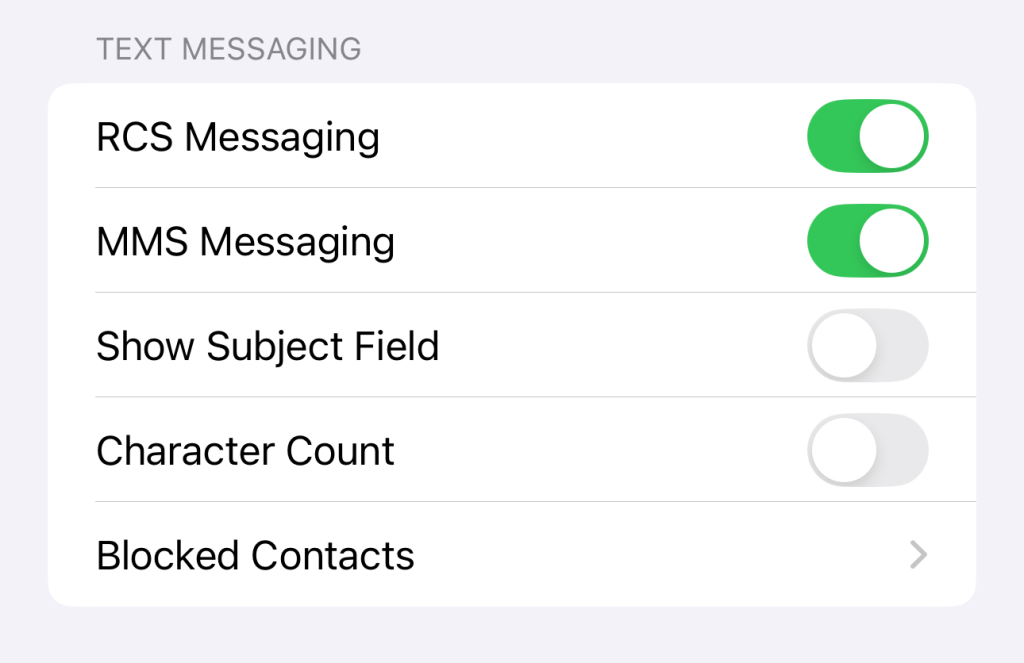


 Though a functional prototype of the Cyberdesk remained conceptual, the yellow eyepiece hinted at an imminent retinal display.Lisa Krohn and Christopher Myers
 A portal on the edge of the Cyberdesk was intended as a neural gateway.Lisa Krohn and Christopher Myers
 Lisa Krohn created a foldable wrist computer that offers versatility and space-saving design. Lisa Krohn
 Each entry in Krohn’s phonebook functions as a distinct entity – dialer, recorder, and output device. The trio of Lisa Krohn, Sigmar Willnauer, and Tony Guido?
 In 1993, Lisa Krohn pioneered the Cyberdesk, a groundbreaking innovation that bridged the gap between reality and science fiction, as wearable computer systems began to take shape.
 By the dawn of 2023, Krohn dramatically revamped the Cyberdesk, breathing new life into this once-staid digital space. The device now leverages cutting-edge knowledge that was unavailable three decades ago, featuring sensors capable of monitoring brain activity, hydration levels, and stress metrics.Duvit Mark Kakunegoda