Summer has finally arrived, and we’re gearing up for our sun-kissed escapades. Are you tired of feeling like the harsh glare of the sun is putting unnecessary strain on your peepers? If you’re looking for a way to take the edge off, it’s time to treat yourself to a top-notch pair of sunglasses. Here is the rewritten text:
“We’ve discovered exceptional glass deals that shine just as brightly as the sun you’re about to bask in.” Currently, the Amazon Echo Frames retail for $170, while the Carrera Sensible Glasses have also been discounted to $270.
Amazon Echo Frames
Amazon’s Echo Frames enable you to have Alexa right before your eyes, quite literally. The device features an integrated audio system along its periphery, complemented by four precision-crafted beamforming microphones. You can simply name Alexa at any time to control your smart home, request reminders, set timers, and access everything else she’s capable of doing. Despite initial limitations, you can still enjoy hands-free phone use, listening to music, and podcasts.
Amazon offers four stylish options for its Amazon Echo Frames, including a sleek Black Square variant, a vibrant Blue Sphere shape, a sophisticated Brown Cat-Eye frame, and a modern Grey Rectangle design for those who care about aesthetics. The offer extends to all applicable products, contingent on having an active Prime membership.
What an incredible opportunity lies before you today, with a staggering 48% discount on our common pricing of $330, now available for just $170?
Carrera Sensible Glasses
Fashion enthusiasts won’t be satisfied with Amazon’s standard eyewear. Here’s something extra glamorous if you’re looking for something with a bit more panache. The Carrera Sensible Glasses function similarly to the Amazon Echo Frames. You’ll receive an audio system with edge-based placement and four integrated microphones, plus seamless access to Alexa functionality. You can make hands-free calls, tune into your favorite audio, manage your smart home, and accomplish everything else with Alexa. All things considered, it seems only natural that we should opt for a more refined approach.
There are two fashions accessible: Black Sprinter and Black & Gold Cruiser. Is this offer available to all Prime subscribers?
This appears to be an exceptionally sweet offer considering these products typically retail for approximately $390. Instantly’s $270 value arrives at just 23% of the original price, saving you a substantial amount.
The key players that I’m targeting with my strategy are the ones who are consistently buying and using our product. They’re the ones who have already demonstrated their willingness to invest in us, so it makes sense to focus on them first. Act promptly if you want to seize the advantages of this opportunity? Available exclusively to Amazon Prime members, the offers’ duration remains uncertain.
Consolidating federal student loans that are currently ineligible for forgiveness programs could potentially enable you to meet the requirements for debt relief.
To be considered for this one-time profit opportunity, please submit your application by the end of the business day on June 30.
You can potentially consolidate your loans online. The method takes about half-hour.
Do you have federal student loans that are currently ineligible for forgiveness, effectively limiting the size of your potential debt cancellation?
As part of a one-time review, the Division of Education is revisiting historical student loan payment records to make adjustments. This adjustment may accelerate your eligibility for loan forgiveness by bringing your fee counts in line with the requirements of an income-driven repayment plan or another applicable program. By consolidating federal loans prior to June 30, borrowers may be able to apply the benefits of student loan forgiveness programs to previously ineligible debts.
Confusion surrounds student loans in current information offerings. As the Biden administration’s plans to reform student loan policies take shape, you may be wondering whether it’s still worthwhile to consolidate your student loans.
Specialists say sure.
“A courtroom decision won’t affect the deadline for consolidating one-time IDR adjustments, according to [Name], a leading expert in education finance and policy at Edvisors.” “The U.S. Department of Education will continue counting eligible funds to determine borrowers’ eligibility for relief.”
While consolidation benefits many debtors, it’s not always the suitable solution for everyone. Here’s how to determine whether a one-time consolidation option is right for you:
What’s scholar mortgage consolidation?
Merging federal student loan debts through scholarship mortgage consolidation provides a simplified financial solution by consolidating existing loans into a single, fixed-rate loan.
Wouldn’t you rather explore life’s mysteries than ponder the intricacies of a theoretical desire to make someone do something they might not even want to do in the first place? When maintaining Federal Family Education Loans (FFELP), Perkins, and other non-direct federal student loans, borrowers are not eligible to participate in forgiveness programs. By streamlining your finances through a newly consolidated direct mortgage and enrolling in an income-driven repayment plan, you may be eligible for automated mortgage discharge, interest forgiveness, or other debt relief benefits.
Consolidization will enhance the diversification of funds eligible for forgiveness, thereby harmonizing the corresponding forgiveness schedule.
When you’re eligible for an Income-Driven Repayment (IDR) plan and make consistent payments for 20-25 years, your outstanding balance can potentially be automatically discharged.
Merging multiple mortgages into a single loan can offer several benefits, including simplified monthly payments, reduced interest rates, and increased financial flexibility. Having a single scholar’s account to manage, rather than multiple ones, may simplify the process of handling finances. Depending on the fee plan you choose, a consolidation mortgage may reduce your monthly outlays while extending the repayment period. If you’re fortunate enough to qualify for forgiveness following consolidation, this concern may not be a top priority.
When you’ve already secured Direct Loans, consolidating them can still yield benefits if you have multiple loans with disparate repayment start dates, notes Mark Kantrowitz, a financial aid expert and NACAC member.
Student loan borrowers may also benefit from personal scholarship mortgage corporations offering debt consolidation services for student loans. Although these applications may offer reduced interest rates or unique benefits, converting your federal student loan into a personal loan rarely makes sense. Personal scholarship loans are ineligible for federal income-driven repayment plans and debt forgiveness programs.
The interest rates on your federal student loans will likely not change when you consolidate them. However, consolidating your loans could result in a lower monthly payment, as the consolidated loan has a longer repayment period, typically 10 to 30 years, depending on the plan you choose.
With current federal student loan interest rates at historically low levels, you don’t need to worry about your newly consolidated rate increasing significantly – unless?
The interest rate for your new Direct Consolidation Loan is typically calculated by averaging the rates of the loans being consolidated, with the result rounded to the nearest one-eighth of a percentage point, according to the Department of Education’s official student loan website.
There’s one exception, although. If you have a FFELP mortgage, you may forfeit certain benefits when consolidating your loan. According to Kantrowitz, the major issue lies with debtors who receive an unusually high rate of interest discount from their FFELP lender. “The interest rate reductions offered by the lender may vanish upon consolidation of the loans.”
You’re not required to consolidate all your loans, allowing you to potentially exclude FFELP loans and retain your current low-cost option. To decide whether consolidating is a suitable option, you’ll need to consider whether you meet the eligibility criteria for forgiveness and assess how consolidation might impact your monthly student loan payment.
If you have an outstanding scholarship loan with unpaid interest, this amount is likely to be capitalised when you consolidate the loan, which may increase your overall principal balance. When determining how much your new monthly payment can be and how many payments may qualify for forgiveness.
I’m uncertain about my qualifications for student loan forgiveness programs. Should you consolidate your debts?
Consolidating federal student loans can significantly simplify monthly payments for many borrowers, ultimately maximizing debt reduction potential. When maintaining federal student loans that are not Direct Loans, it may be significantly beneficial. Consolidating your federal student loans may enable you to secure a fixed interest rate for all your debt, thereby protecting yourself from potential future rate increases if any of your current loans carry a variable interest charge.
Is considered when determining the initial payment date for your student loan. Consolidating your loans ensures that your credit score reflects your new Direct Mortgage’s payment schedule alongside your previous mortgage fee date accurately.
Since you repaid your first federal student loan payment in 2004 after graduating from school? After completing your initial education, you returned to high school to earn a second diploma and started repaying those student loans in 2010. With an income-driven compensation plan featuring a 20-year path to forgiveness, you may potentially see your loans from 2004 wiped clean within the next 12 months. By streamlining your modern and older loans into a single consolidated Direct Mortgage, you may potentially see a significant reduction in your overall debt burden by the end of this year?
Although you may have recently graduated with federal loans, streamlining your debt by consolidating and enrolling in an income-driven repayment (IDR) plan could accelerate your path to loan forgiveness. If you have a single scholar loan with no Direct Loan, consider consolidating to potentially benefit from refinancing.
If you fail to meet the criteria for debt reduction, there would be little point in pursuing this path. According to Kantrowitz, individuals who are not currently seeking forgiveness or intending to seek it in the future are under no obligation to pursue it.
Will the June 30th deadline receive an extension?
Despite the Division of Education’s decision to extend the mortgage consolidation deadline from April 30 to June 30 this spring, experts do not foresee another delay in the near future.
“The deadline for consolidation remains unchanged, with no indication of a further modification or extension,” said Rubin. When interest rates are favorable for consolidation, acting swiftly to combine multiple loans into a single loan with more manageable terms is advisable.
Are you tired of juggling multiple student loan payments each month?
You can consolidate your federal student loans online at StudentAid.gov. Submissions must be received by midnight local time on June 30 to meet the deadline. While you may be able to consolidate after this date, doing so would mean missing out on certain benefits.
To successfully submit an application, you will need your Federal Student Aid ID, personal information, financial data, and loan details readily available. According to the Federal Student Aid website, completing a loan consolidation application typically requires approximately 30 minutes.
You are now able to submit your application online at .
According to Kantrowitz, processing a consolidation application may take up to 60 days. As you navigate this period, you may notice your student loan payment amount dwindling down to a flat zero. Don’t panic if this occurs. The project’s development pace is heavily reliant on the adjustments made to the original plan.
If you fail to meet the stated deadline, you risk facing severe consequences, including but not limited to: penalties, fines, and potentially even legal action. It is crucial that you stay on track and adhere strictly to the agreed-upon timeline to avoid any unnecessary complications or repercussions.
When consolidating loans after the June 30th deadline, you may still qualify for credit for prior payments made on direct loans. However, you won’t receive as much credit as you would otherwise. Your fee reliance can be based primarily on a weighted average or reset to zero alternatively. Despite this, you may still gain access to a debt reduction program.
Advisable Articles
In a surprising twist, nearly 300,000 debtors secured student loan forgiveness just last week alone. Discovering the Path to Success: How Anyone Can Achieve Their Goals
Up to 25 million Americans could see their student loan debt erased under President Joe Biden’s latest plan to address the nation’s $1.7 trillion education financing crisis?
Are You Eligible for the Fresh Start Scholarship Loan Repayment Initiative?
Every Wednesday, CNET Cash delivers valuable monetary insights, trends, and information directly to your inbox.
When you sign up, you’ll receive newsletters and promotional content, agreeing to our Terms of Use and acknowledging our Privacy Policy. You are free to opt out of receiving further communications at your discretion.
The entire package is headed straight to your inbox.
Sophos recently released the results of their study. According to the findings, nearly all companies have invested in a cybersecurity system that supports their defense measures, with a staggering 97 percent having implemented this crucial infrastructure. Seventy-six percent of respondents indicated that they consider themselves qualified for coverage as a result. Sixty-seven percent of customers received more favorable prices and thirty percent improved their contractual terms.
According to the report, restoration costs following a cyberattack exceed insurance coverage. Only one percent of those reporting damage had their insurer cover 100% of the costs incurred in rectifying the incident. The most common reason for incomplete reimbursement is that the final bill exceeds the insurance limit. According to Sophos’ latest report, the cost of restoring systems after a ransomware attack increased by 50% year-on-year to approximately €2.55 million.
According to Chester Wisniewski, CTO of Sophos, “Many cyber insurance providers have consistently found themselves in a scenario where fundamental, tried-and-true approaches to cybersecurity are not being implemented; for instance, timely patching.” While compromised login credentials often top the list of attack triggers in our latest survey, further investigation reveals a more complex landscape with multiple factors at play. While a multi-factor authentication gap could be effectively plugged, our research suggests that only 43% of companies have implemented such an additional security layer.
The fact that 76 percent of businesses have invested in their cyber defense to qualify for a cyber insurance policy indicates that insurers are compelling companies to implement these essential security measures. This makes a difference and has a constructive overall impact on the cyber resilience of companies in general. While a cyber insurance policy for businesses can offer numerous benefits, it is crucial to acknowledge that it constitutes only one aspect of an effective risk minimization strategy. Companies must continue to fortify their defenses. A sophisticated cyberattack can have profound and far-reaching consequences for an organisation, extending beyond operational disruption to impact its very reputation. However,
Of the 5,000 IT and cybersecurity leaders surveyed, a staggering 99% of those who enhanced their defense measures in response to a police request reported gaining additional security benefits beyond mere insurance coverage. To achieve this, a better shield is required, freed-up IT resources and fewer alarm bells need to be addressed.
Investments in cybersecurity appear to have constructive side effects, as they release savings from insurance premiums that companies can reinvest in other protective measures to enhance their security posture. As cyber insurance spreads, so too will hopefully the security of businesses improve. As cybercrime’s nefarious tactics evolve, a police force’s efforts to eradicate ransomware attacks won’t disappear, but they could certainly be part of the solution.
In an independent survey of 5,000 IT and cybersecurity leaders, participants from January to February 2024 shared their insights. Fourteen countries from America, EMEA, and the Asia-Pacific region participated with organization sizes ranging from 100 to 5,000 employees. Revenue fluctuates between less than $10 million and more than $5 billion USD.
Git is a powerful distributed version control system widely used by developers to manage software development changes. A key characteristic of entrepreneurship is the ability to branch out and simultaneously develop multiple versions or iterations of an idea or business. Here is the rewritten text: This article delves into the concept of branches, exploring their significance and the value they bring to version control systems like Git. It also examines the role of an upstream department in this context and provides a step-by-step guide on how to create a branch. Stipulations and potential issues or errors that might arise throughout this course will also be addressed.
Overview
In essence, a department represents a hierarchical namespace within a Git repository, allowing for the organization of related projects, modules or features into a logical grouping.
How to successfully set up an upstream department in your Git workflow?
Study to address the most frequent challenges you may encounter when setting up an upstream department within Git.
What’s a Department in Git?
In Git, a branch represents a distinct development pathway, allowing for isolated experimentation and collaboration without affecting the main codebase. When establishing a branch where changes won’t affect the main project, you’re free to make modifications without compromising the integrity of your original work when creating a new division. Departments have the autonomy to evolve independently, merge with other branches, or even discontinue efforts if further modifications prove futile.
Significance of Branching
Because when you’re developing a feature, you don’t want to risk messing up your main codebase – so you create a separate branch to isolate the changes?
Branches provide developers with the autonomy to work separately from the main codebase on features, bug fixes, or innovative ideas.
Constructors shouldn’t interfere with another’s projects when working on distinct aspects simultaneously.
Branching allows for a more straightforward reversal of changes in case something goes awry by managing multiple codebase iterations.
By allowing developers to integrate and deploy code in smaller, more manageable pieces, branches enable a steady rhythm of collaboration and refinement.
Setting Up an Upstream Department
Stipulations
Before establishing an upstream department, it is crucial to ensure that the subsequent steps are carefully considered.
Verify that Git is installed on your system and properly configured. Test this by operating git --version in your terminal.
Repository Cloned: Cloning the repository you wish to work on using a tool such as Git, utilize the following command: git clone <repository_url>
Department Created: Improved text:
Establish a novel department or transition to an existing one to create a foundation for innovation.
(SWAP) git checkout -b <branch_name>
Step-by-step Information
Here’s a straightforward guide to setting up an effective upstream department:
It is recommended to establish a dedicated department or transition into one of the following: #bash git checkout -b feature-branch Or #bash git checkout feature-branch
Push changes to a remote repository and set the upstream tracking branch? #bash git push -u origin feature-branch The `-u` flag sets up the upstream tracking information for a branch, allowing you to subsequently use `git pull` and `git push` without specifying the repository URL.
Prior to finalizing, it is crucial to verify that the upstream department has been correctly configured using: #bash git department -vv By exploring your Git repository in this way, you may also catch glimpses of the native branches, their corresponding upstream branches, and the latest commit details.
As your business grows and evolves, you may find yourself needing to create new departments to better manage specific functions. But when is the right time to do so? It’s crucial to strike a balance between efficiency and bureaucracy.
When collaborating on large projects or managing complex codebases, creating a dedicated branch is often advisable to preserve workflow integrity and prevent unintended changes from being merged into the mainline.
The initial transfer of a department’s assets to a remote storage location.
When multiple builders collaborate on the same project, they must ensure seamless integration by synchronizing their efforts with a centralized hub.
Are there instances where continuous observation of modifications implemented by the preceding team is crucial?
Attainable Issues and Errors
While creating branches in Git?
An upstream department cannot be set when you’re in an indifferent HEAD state? Utilize the `git checkout` command to navigate to a reliable and stable branch in your project’s version control system.
Why does Git refuse to push? Before pushing changes, ensure you’re up to date by running `git pull origin ` to synchronize your local repository with the remote one.
If you encounter an authentication error, verify that you possess the most up-to-date and authorized credentials required to successfully push updates to the remote repository.
Conclusion
Effective collaboration in a distributed development framework necessitates skillfully managing branches within a Git-based system, involving the coordination of a centralised upstream entity. By quickly adhering to the guidelines outlined in this article, there is a good likelihood that you will successfully establish an upstream department. To guarantee that your local branches and the remote repository remain accurately in sync.
Continuously Requested Questions
A. Upstream departments are remote entities whose performance metrics are carefully monitored by your own organization to facilitate adjustments and improvements. You can pull updates from a distant repository and push your changes to it. A neighbourhood department refers specifically to a departmental entity that resides exclusively within your local, on-premise data repository. Establishing an upstream department guarantees that your native department remains in step with the remote repository.
A. You may potentially modify the upstream department within your current department. To establish a brand-new upstream department, please utilize the following command: bash git department --set-upstream-to=<new_remote>/<new_branch>
A. In Git, a branch represents a distinct experimental development path that allows for independent iteration and testing of new features or changes before they are merged into the main codebase. When establishing a new setting, you can freely make adjustments without compromising the original project by creating a separate department.
AI-powered innovations construct robust digital resilience by harmoniously integrating the collective capabilities of a community with cutting-edge safety, real-time observability, and expertise. They streamline adoption processes, providing seamless visibility and perception across the entire digital footprint, thereby
What’s new for IT professionals in 2024? Discover Cisco’s exclusive training programs and enhance your skills with the latest innovations in networking.
Should you’re enthusiastic about Sizzling Reload like me AND you additionally need an “A” grade from SecurityHeaders.com (actually, go do that now) then you’ll be taught in a short time about Content material-Safety-Coverage headers. It’s good to spend a while studying and you could find yourself with a considerably refined listing of allowed issues, scripts, stylesheets, and many others.
In DasBlog Core (the cross platform weblog engine that runs this weblog) Mark Downie makes these configurable and makes use of the NWebSpec ASP.NET Middleware library so as to add the wanted headers.
Every of these variables comes out of a config file. Sure, it could be extra safety in the event that they got here out of a vault or have been even exhausting coded.
DasBlog is a pretty big and funky app and we observed instantly upon Mark upgrading it to .NET 6 that we have been unable to make use of Sizzling Reload (through dotnet watch or from VS 2022). We are able to complain about it, or we will find out about the way it works and why it is not working for us!
Okay, this is smart as we all know not solely does HotReload help C# (code behinds) but additionally Markup through Razor Pages and altering CSS! It might positively want to speak “again residence” to the runner which is both “dotnet watch” or VS2022.
If I alter the ASPNETCORE_ENVIRONMENT to “Manufacturing” (both through launch.json, launchsettings, or an atmosphere variable like this, I can see that additional HotReload helper script is not there:
C:githubwshotreloadtest>dotnet run --environment="Manufacturing"
Constructing...
data: Microsoft.Internet hosting.Lifetime[14]
Now listening on: https://localhost:7216
data: Microsoft.Internet hosting.Lifetime[14]
Now listening on: http://localhost:5216
Bear in mind: You by no means need to use dotnet run in manufacturing! It is an SDK constructing command! You will need to use dotnet exec your.dll, dotnet your.dll, or better of all, in .NET 6 simply name the EXE immediately! .binDebugnet6.0wshotreloadtest.exe in my instance. Why? dotnet run will all the time assume it is in Growth (you actually inform it to revive, construct, and exec in a single run command) for those who run it. You will be aware that working the precise EXE is all the time WAY quicker as properly! Do not ship your .NET SDK to your webserver and do not recompile the entire thing on startup in manufacturing!
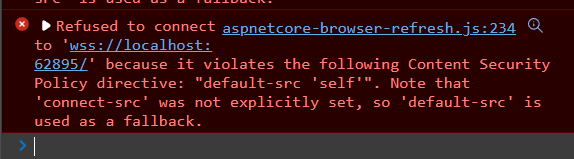
We are able to see that that aspnnetcore-browser-refresh.js is the shopper facet of Growth-time HotReload. our browser console we see :
Refused to connect with 'wss://localhost:62486/'
as a result of it violates the next Content material Safety Coverage
directive: "default-src 'self'".
Notice that 'connect-src' was not explicitly set,
so 'default-src' is used as a fallback.
That is rather a lot to consider. I began out my ASP.NET Net App’s center ware saying it was OK to speak “again to myself” however nowhere else.
Hm, self appears affordable, why cannot the browser join BACK to the dotnet run’ed Kestrel Net Server? It is all localhost, proper? Properly, particularly it is http://localhost not ws://localhost, and even wss://localhost (that additional s is for safe) so I must explicitly permit ws: or wss: or each, however solely in Growth.
Perhaps like this (once more, I am utilizing NWebSpec, however these are simply HTTP Headers so you possibly can actually simply add them if you’d like, hardcoded.)
However port numbers change, proper? Let’s just do wss:, solely in Growth. Now, if I am utilizing each CSPs and WebSockets (ws:, wss:) in Manufacturing, I will must be intentional about this.
What is the ethical?
Should you begin utilizing CSP Headers to tighten issues up, be acutely aware and conscious of the headers you want for conveniences like Sizzling Reload in Growth versus no matter issues you could want in Manufacturing.
Hope this helps prevent a while!
Sponsor: At Rocket Mortgage® the work you do round right here might be 100% impactful however received’t take all of your free time, providing you with the right work-life steadiness. Or as we name it, tech/life steadiness! Be taught extra.
About Scott
Scott Hanselman is a former professor, former Chief Architect in finance, now speaker, guide, father, diabetic, and Microsoft worker. He’s a failed stand-up comedian, a cornrower, and a e book creator.
Synthetic intelligence, also known as Artificial Intelligence (AI), refers to a collection of algorithms capable of operating independently to accomplish tasks. Machines demonstrating such intelligent capabilities are referred to as possessing Synthetic Intelligence. Artificial intelligence has become increasingly prevalent, mimicking human thought processes in machines. Artificial intelligence systems are capable of learning from their experiences and mimicking human behaviors. As artificial intelligence evolves, it will revolutionize our living experiences in profound ways.
As technology continues to advance, it is imperative that individuals develop a connection with artificial intelligence (AI) in some form, whether they are simply using AI-driven tools as end-users or exploring its potential applications in their professional pursuits. Discovering the Evolution of AI: Trends, Types, and Future Directions in 2024
What’s Synthetic Intelligence?
Artificial intelligence refers to the ability of computer-controlled systems, such as digital pcs and robots, to perform tasks typically associated with intelligent beings. Artificial Intelligence systems that mimic human thought processes to perform tasks that typically require human intelligence.
The AI: A Marvel of Human Ingenuity
Capable of performing duties independently without explicit instruction.
Capable of contemplating with rationality and humanity.
Can we truly quantify the emergence of synthetic intelligence that mimics human behavior with precision and nuance?
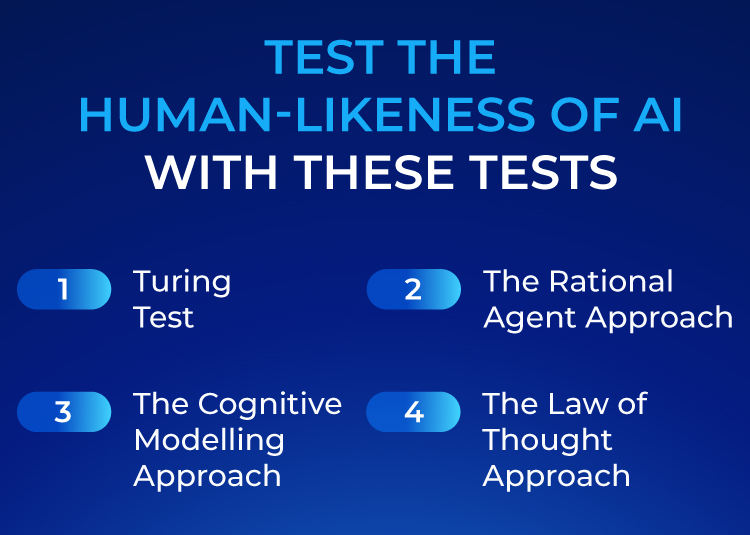
Can we ensure the stability of a system once it has achieved a desired state, or will it inevitably deviate from its optimal behavior? We’ll determine the human-likeness of an AI entity by considering its capacity for:
Turing Take a look at
The Cognitive Modelling Strategy
The Legislation of Thought Strategy
The Rational Agent Strategy
Let’s take a closer look at how these approaches operate.
What lies at the heart of synthetic intelligence?
Is the Turing Test successfully met when a Synthetic Intelligence entity can sustainably engage in a conversation with a human, exhibiting cognitive abilities and logical coherence akin to those displayed by humans? The ideal human agent should not have the ability to determine whether they are interacting with synthetic intelligence or not. To achieve its objectives, the AI should exhibit the following characteristics:
to speak efficiently.
Data illustration serves as a reminder of its own significance.
Automated reasoning leverages stored knowledge to respond to queries and derive novel insights.
To effectively detect patterns and continuously adapt to novel situations.
Cognitive Modelling Strategy
Since the title suggests that this method aims to construct a synthetic intelligence model based on. To capture the fundamental nature of human thought, three distinct approaches exist:
Self-examination: scrutinizing our thoughts, and crafting an avatar rooted in introspective insights.
Psychological studies involve designing and implementing controlled experiments that examine human behavior and cognition.
Mindscape Visualization: Leveraging Magnetic Resonance Imaging (MRI) to observe brain activity in various scenarios and mimicking it through algorithmic coding.
The Legal guidelines of Thought Strategy & The Rational Agent Strategy
The exhibit showcases two distinct methodologies: their applications and corresponding challenges.
An algorithm designed to facilitate assumption-making can also be employed to develop artificial intelligence systems.
Utilizing rigid guidelines to tackle complex real-world problems can be utterly draining, as they often require a more nuanced and adaptive approach to find effective solutions. In situations with considerable uncertainty, AI may struggle to mimic human actions accurately.
A method where an AI strives to select the optimal option grounded in its current circumstances, rather than merely adhering to predefined rules?
Usually, a solitary optimal solution does not exist, forcing the AI to navigate through multiple possibilities, each with its unique benefits and drawbacks. This task demands exceptional versatility from the AI system.
Synthetic Intelligence AI works by processing vast amounts of data and identifying patterns to make predictions, decisions, and take actions.
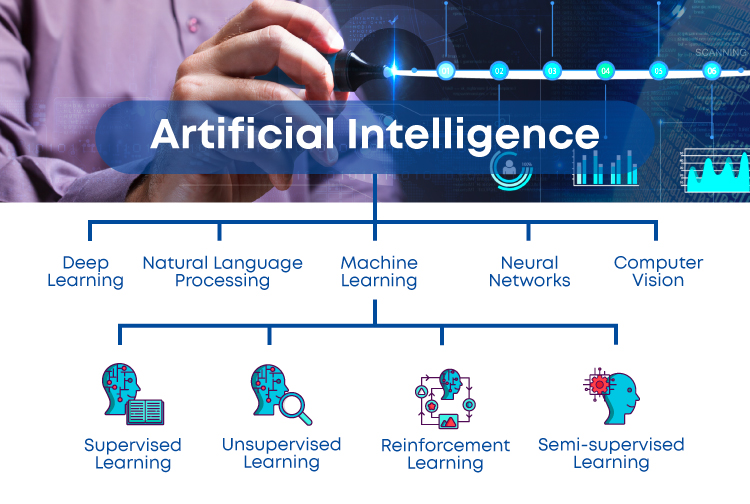
Developing an AI system entails programming a device to mimic human behavior, but with enhanced capabilities. To truly comprehend the workings of AI, it’s essential to delve into its various components and observe how they intersect with distinct industries.
Machine learning enables machines to make informed decisions primarily based on patterns and insights gleaned from their past experiences. This innovative tool saves companies valuable time, enabling them to make informed decisions with greater ease. For those seeking to develop their understanding of core concepts, enrolling in a complimentary course is an excellent opportunity.
It’s a specific type of machine learning that trains computers to write by processing information in hierarchical layers to identify problems.
Artificial intelligence algorithms process and categorize data in a manner akin to how human brains function, with precision and speed.
Natural Language Processing enables machines to comprehend and respond to human communication.
Machine learning algorithms process visual data by dissecting and comprehending image features.
These AI-powered algorithms strive to mimic human-like thinking by processing textual data, verbal communications, visual images, and physical objects to provide a optimal response. Take advantage of this offer absolutely free of charge.
The plethora of synthetic intelligence types encompasses a diverse range of approaches, including: Narrow or Weak AI, which is designed to perform a specific task; General or Strong AI, capable of simulating human intellect; Superintelligence, exceeding human cognitive abilities; Artificial General Intelligence (AGI), emulating human thought processes; and Hybrid Intelligence, combining human and artificial intelligence.
Some AIs are designed to excel in specific areas alone. Synthetic intelligence entities are designed to serve distinct purposes, resulting in a wide range of variations. Artificial intelligence (AI) can be categorized primarily into two primary kinds: Type 1 and Type 2, both focused on distinct functional aspects? Here’s an overview of the fundamental type.
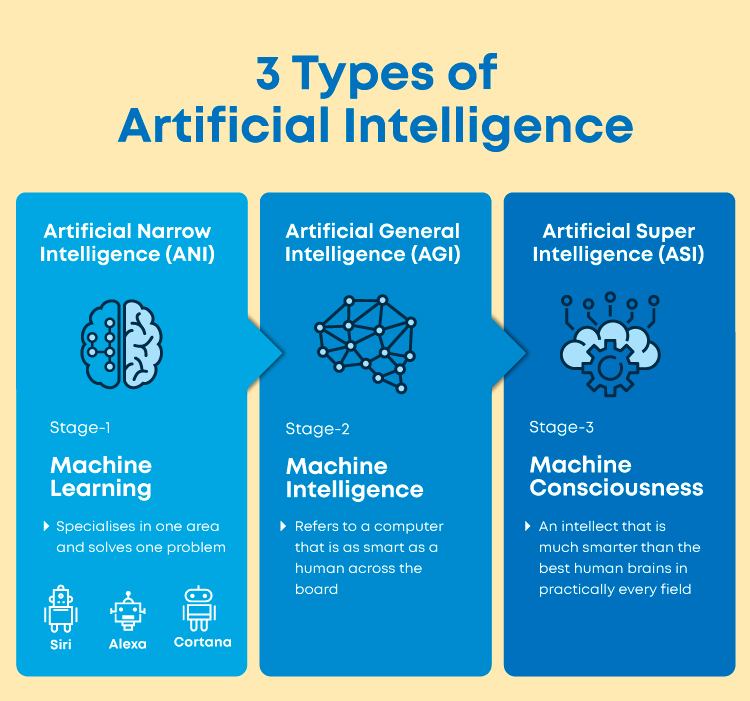
3 Varieties of Synthetic Intelligence
Synthetic Slim Intelligence (ANI)
Synthetic Normal Intelligence (AGI)
Synthetic Tremendous Intelligence (ASI)
Let’s delve deeper into the matter.
What’s Synthetic Slim Intelligence (ANI)?
Synthetic Slender Intelligence, also known as Artificial Narrow Intelligence (ANI), is currently the most prevalent type of AI you encounter. Designed to excel in a single task with precision and dedication. It would advocate for a product on a web-based retailer or accurately forecast tomorrow’s climate. While ANI excels in specific tasks, often surpassing human capabilities, its effectiveness is typically limited to highly controlled environments.
To build a robust online presence, consider enhancing your skills through the complimentary online courses offered by LinkedIn Learning on their platform. By taking this course, you will gain a comprehensive understanding of the fundamental concepts necessary to build a career in AI.
What’s Synthetic Normal Intelligence (AGI)?
Synthetic normal intelligence, also known as Artificial General Intelligence (AGI), remains a concept yet to be achieved. An AI designed to mimic human capabilities across multiple domains, including natural language processing, computer vision, and problem-solving, potentially leading to enhanced autonomy and decision-making abilities. Currently, we are a significant distance away from successfully developing Artificial General Intelligence (AGI). Despite the impressive capabilities of advanced AI systems like IBM’s Watson, even they require an inordinate amount of processing power just to mimic a fraction of human cognitive activity. While AGI might ideally rely on numerous ANIs functioning in tandem, our current state is far from that reality.
What’s Synthetic Tremendous Intelligence (ASI)?
Synthetic Tremendous Intelligence, or Artificial Superintelligence, is something that was once relegated to the realm of science fiction. While it may surpass humans in its approaches – from selecting the finest options to crafting masterpieces of art and fostering profound emotional bonds. If we successfully develop Artificial General Intelligence (AGI), there is a risk that it could quickly surpass human capabilities, leading to the emergence of Artificial Superintelligence (ASI). Some may presume that this eventuality will unfold with unprecedented rapidity the moment Advanced General Intelligence (AGI) becomes a reality? Despite our current focus on AGI, the prospect of ASI still feels like a distant possibility. Discover the skills needed to succeed in…
Distinction between Augmentation and AI
Synthetic Intelligence
Augmented Intelligence
Artificial intelligence supplants humans, functioning with relentless precision.
Augmentation enables the creation of novel processes that enhance manufacturing capabilities, rather than directly replacing people.
Replaces human choice making
Augments human choice making
Robots and Industrial Internet of Things (IIoT): With robots taking over human tasks on the manufacturing floor, humans will be replaced entirely.
Collaborative robots, also known as cobots, are designed to work alongside humans to tackle tasks that are physically demanding or repetitious, freeing up human workers for more strategic and value-added responsibilities.
Actual-Time Functions of 1. Automated Buyer Help and Chatbots2. Digital Assistants Automated Workflows
Actual-time functions of intelligent assistants (IAs) in buyer success include real-time conversation analytics to track customer interactions, instant alerts for priority cases, and AI-powered routing to ensure that buyers are directed to the most suitable support agents. IA-enabled buyer analytics2. Uncover high-risk/high-potential customers3. Forecasts Gross sales
Can synthetic intelligence replicate human-like decision-making and problem-solving capabilities, ultimately transforming industries and revolutionizing our world.
The primary goal of Synthetic Intelligence (AI) is to augment human capabilities, providing assistance in making crucial decisions. As an illustration:
Artificial intelligence aims to amplify human capabilities and facilitate decision-making by simplifying complex choices.
Automation may potentially streamline our daily routines and reduce the need for manual labor.
Artificial intelligence aims to facilitate more effective collaboration among individuals, businesses, and nations by fostering a culture of cooperation that benefits all parties involved?
Currently, artificial intelligence is utilized to optimize business functions and enhance strategic decision-making, building upon the cumulative advancements made in tools that have evolved significantly over time.
While some see AI as a revolutionary innovation with the potential to address issues like inequality and struggle.
Currently, businesses mainly leverage AI to amplify efficiency, streamline labor-intensive tasks, and facilitate data-driven decision-making.
To deepen your understanding of synthetic intelligence and its applications, consider enrolling in a course or program that delves into the field’s latest developments and trends, allowing you to upskill and gain expertise in this rapidly evolving technology.
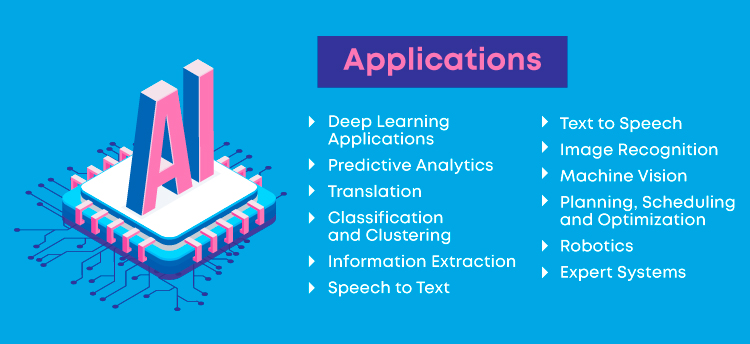
What Are The Applications Of Synthetic Intelligence (AI)?
Artificial intelligence pervades industries, empowering large corporations to anticipate and forecast consumer behavior.
Google’s predictive search anticipates your next query, while Netflix’s algorithm recommends movies to keep viewers engaged for longer stretches, and Facebook’s AI-driven features suggest individuals to tag in photos by accurately identifying facial structures. The primary applications of AI involve processing vast amounts of data to:
Uncover key insights by leveraging advanced search capabilities to identify the most relevant information.
Employ algorithmic decision-making processes to selectively retain patterns of behavior contingent upon specific contextual factors.
Unravels complex relationships between ideas to uncover innovative perspectives.
Applying probabilistic models to forecast potential outcomes that may ensue.
The proliferation of synthetic intelligence has given rise to numerous benefits that permeate various aspects of our lives.
Technology undoubtedly raises the standard of living. As various technologies have taken over from music suggestions, mapping instructions, and cellular banking to artificial intelligence and beyond. A delicate balance exists between progress and chaos. While there are always two sides to a coin, AI is indeed no exception in this regard. Discover the advantages of Synthetic Intelligence by exploring its numerous applications and capabilities.
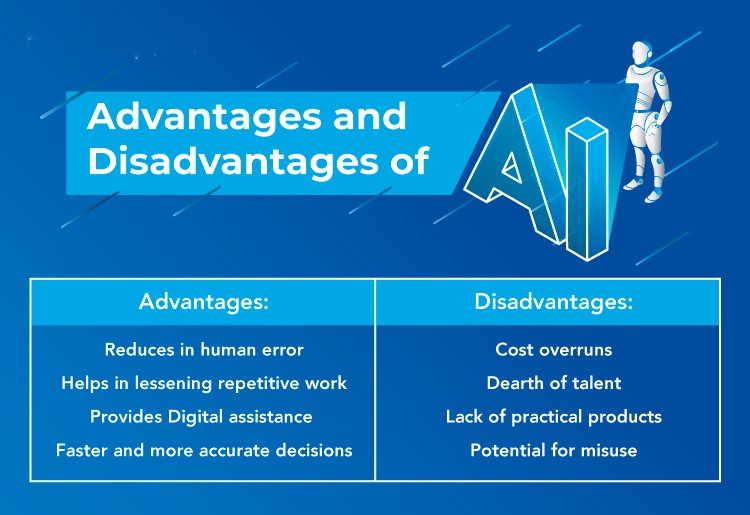
Benefits of Synthetic Intelligence (AI)
Discount in human error
Obtainable 24×7
Helps in repetitive work
Digital help
Quicker selections
Rational Choice Maker
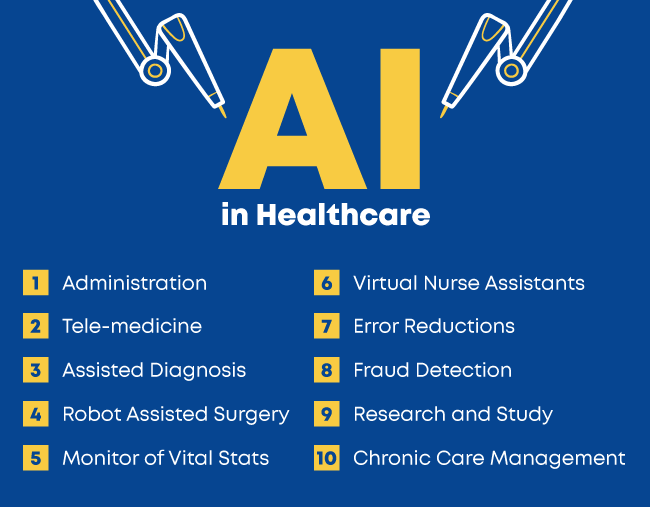
Medical purposes
Improves Safety
Environment friendly Communication
Let’s take a better look.
Historical past of Synthetic Intelligence(AI)
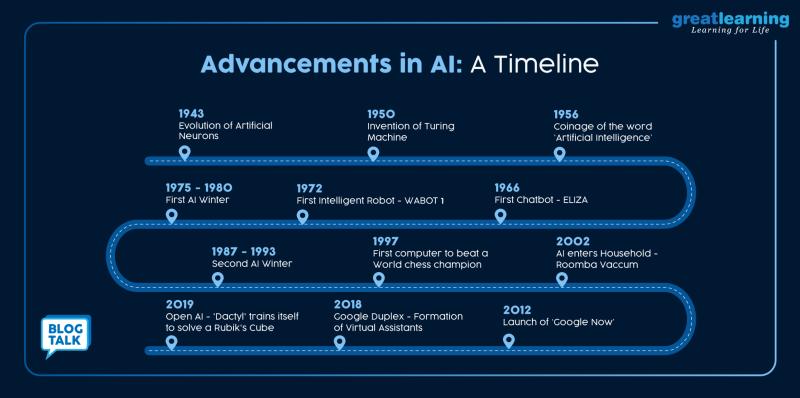
In reality, the notion of AI dates back further than people generally believe, originating with ancient Greek myths featuring intelligent robots. The term “Artificial Intelligence” was formally coined in 1956 at Dartmouth College’s Summer Research Project on Artificial Intelligence, led by John McCarthy, not Marvin Minsky, as is often incorrectly attributed. Since that time, significant advancements have marked the evolution of artificial intelligence.
The dawn of synthetic intelligence (SI) dates back to 1951 when computer scientist Alan Turing proposed a test to measure the capabilities of an SI program. His thought experiment, known as the Turing Test, aimed to determine whether humans could distinguish between human and machine-generated responses.
In the early 1960s, John McCarthy coined the term “Artificial Intelligence” (AI), which gained popularity at the 1965 Dartmouth Summer Research Project on AI. Meanwhile, Marvin Minsky and Seymour Papert published their groundbreaking book, “Perceptrons,” exploring the potential of multi-layer neural networks.
As the decades passed, significant advancements were made in areas like natural language processing, expert systems, and machine learning. In 1997, IBM’s Deep Blue defeated chess grandmaster Garry Kasparov, marking a major milestone in artificial intelligence.
The concept of a robotic mannequin designed to replicate human brain cell functions is unveiled.
Alan Turing proposes an experiment to investigate whether machines can think like humans. The first PC-based system utilizing neural networks has been built.
The term “Synthetic Intelligence” was first coined in 1956 by computer scientist John McCarthy.
Machine learning?
Stanford University’s pioneering artificial intelligence laboratory is currently underway.
In 1966, a pioneering milestone was achieved with the invention of the primary chatbot, ELIZA.
The allure of AI wanes, precipitating an interval commonly referred to as the “AI winter.”
The AI analysis identifies a recurring pattern of successful business applications.
In 1997, IBM’s groundbreaking artificial intelligence, Deep Blue, achieved a historic milestone by defeating Garry Kasparov, the then-world chess champion.
Artificial intelligence technology starts being integrated into household appliances, specifically family vacuum cleaners.
The U.S. army begins utilizing robots.
As large technology companies increasingly leverage artificial intelligence, their operations are undergoing a significant transformation.
Google offers its speech recognition technology to developers of iPhone applications.
IBM’s Watson emerges victorious in a high-stakes quiz competition, showcasing its impressive capabilities to comprehend and process natural language.
Google’s AI research venture showcases significant advancements in artificial intelligence inspired by cinematic innovations.
Google’s autonomous driving technology gets assessed; Amazon unleashes Alexa for all.
The revolutionary artificial intelligence, Sophia, was officially launched into the world, marking a significant milestone in human innovation and technological advancements.
Artificial intelligence accelerates pandemic response by streamlining COVID-19 vaccine development.
As AI technology has evolved, it has rapidly transitioned from nascent concepts to occupying a massive presence in our daily routines.
Synthetic intelligence (SI) in enterprise plays a multifaceted role, enhancing business operations by providing real-time insights, optimizing processes, and improving decision-making capabilities. By leveraging machine learning algorithms and vast amounts of data, SI systems can: Automate routine tasks, streamlining workflows and freeing up human resources for more strategic activities; Identify patterns and anomalies, enabling proactive issue resolution and predictive maintenance; Enhance customer experiences through personalized interactions and tailored recommendations; Facilitate data-driven decision-making by providing actionable insights and visualizations; Improve supply chain management through optimized logistics and inventory control; Support cybersecurity efforts by detecting and preventing potential threats in real-time.
AI has the potential to revolutionize numerous industries, all of which are heavily reliant on data. At its core, AI shines in processing vast amounts of information, rendering it a powerful tool for optimizing various domains.
As artificial intelligence’s versatility expands, it demonstrates its value by simplifying workflows and improving strategic decisions across diverse industries.
Robots in AI
The field of robotics has actually been advancing for some time now, predating the emergence of artificial intelligence as we know it today. Synthetic intelligence now enables robotics to pioneer innovations more swiftly by developing environmentally sustainable robotic solutions. Artificial intelligence has enabled robots to find new applications across various sectors, with a notable concentration of innovation occurring within the manufacturing and packaging domains.
What drives the immense value of AI expertise lies in its ability to revolutionize traditional industries and businesses by introducing unprecedented levels of precision, speed, and scalability.
Synthetic intelligence offers numerous significant benefits that render it an exceptional tool, including:
Automation enables artificial intelligence to streamline mundane tasks and duties without the burden of physical exhaustion.
AI can significantly enhance all services and products, leading to a substantial improvement in end-user experiences and delivering more personalized product recommendations with increased accuracy.
Evaluation and accuracy – AI evaluation is far more swift and incredibly accurate compared to humans. Artificial intelligence can leverage its capabilities to effectively interpret complex knowledge with increased selectivity.
Simply stated, AI enables businesses to make more informed decisions, accelerating the improvement of products and processes at an unprecedented pace.
Profession Traits in Synthetic Intelligence
The demand for careers in Synthetic Intelligence (AI) continues to surge. In India, a staggering 57 percent of companies are currently on the lookout for skilled AI professionals to rent.
Individuals transitioning to AI-focused positions are experiencing substantial salary hikes, typically ranging from a 60% to 70% boost.
India’s tech hubs lead the charge: Mumbai dominates AI job opportunities, closely followed by Bangalore and Chennai.
According to the World Financial Discussion Board, AI is expected to generate an estimated 133 million jobs by the end of 2022.
Despite the surging demand for AI professionals, a shortage of skilled workers persists.
Artificial intelligence is having a profound impact across multiple industries, including healthcare, banking and finance, advertising, and entertainment.
Positions in high demand for this field include Deep Learning Engineers, Data Scientists, Directors of Data Science, and Senior Data Scientists.
As alternatives continue to gain traction, the present moment is ideal for refining or elevating AI capabilities.
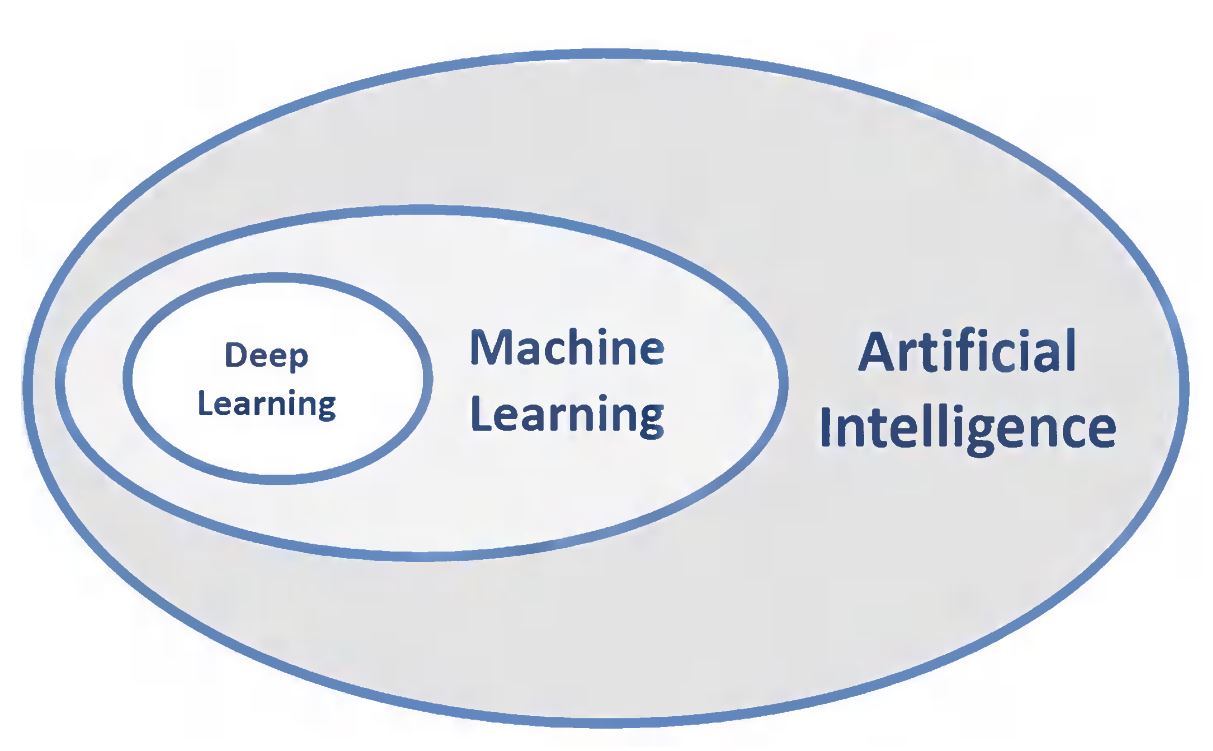
Artificial Intelligence (AI) encompasses a broad range of technologies that enable machines to perform tasks that typically require human intelligence, including learning, problem-solving, and decision-making. Machine Learning (ML), a subfield of AI, involves training algorithms on data to improve their performance over time without being explicitly programmed.
The accompanying image illustrates the hierarchical relationship between AI, ML, and DL, where three concentric ovals represent these disciplines in order: AI encompasses ML, while ML contains DL. As a result, the concept of artificial intelligence emerged as a comprehensive notion. The evolution of AI saw its early adoption by machine learning (ML), which flourished subsequently, followed by deep learning (DL) that has recently demonstrated great promise in propelling AI advancements to a new era.
Examples of Synthetic Intelligence
Fb Watch
Fb Pals Suggestions
Artificial intelligence-powered personal assistants such as Siri, Alexa, and their ilk.
Self-driving vehicles
Robo-advisors
Conversational bots
E mail spam filters
Netflix’s suggestions
Proactive healthcare administration
Illness mapping
Automated monetary investing
Digital journey reserving agent
Social media monitoring
Way forward for Synthetic Intelligence
Artificial intelligence is rapidly evolving to become a significant player in the technology landscape. Across the world, innovative entities are developing groundbreaking tools. Artificial intelligence is revolutionizing the future of various industries by fostering innovative applications such as massive data analysis, automation through robotics, and the Internet of Things. As AI advances, it will drive technological progress, offering numerous opportunities for skilled professionals.
Profession Alternatives in AI
Professionals utilise statistical analytics, oversee machine learning implementations, and craft advanced neural network architectures. Proficiency in programming languages such as Python, Scala, and Java is required for a strong foundation. The average salary range for an AI engineer in India typically falls between INR 4 lakh and INR 20 lakh per annum.
AI analysts offer data-driven insights to empower businesses across various sectors, leveraging their expertise to uncover meaningful trends and connections. A stable background in programming and system evaluation is essential for this role. Salaries range from approximately ₹3 lakhs to ₹10 lakhs per annum, depending on the individual’s level of expertise and the employing organisation.
Data analysts collect and scrutinize massive amounts of data to uncover patterns and create anticipatory models. They should possess expertise in multiple programming languages and have hands-on experience working with frameworks such as Azure Machine Learning Studio and Apache Spark’s MLlib. In India, salaries typically range from INR 5 lakh to 22 lakhs annually.
Focused on pioneering AI innovations, analysts must be experts in domains such as deep learning and neural networks. The role offers exceptional opportunities and comes with a competitive salary of approximately ₹35 lakhs per annum in India.
In AI-centric roles, product managers leverage their expertise to address complex enterprise challenges and successfully integrate AI methodologies to measure the profound impacts. Starting salaries range from approximately INR 7 to 8 lakhs annually, but can significantly increase with experience.
As automation technologies continue to advance, the demand for skilled robotics scientists who can design, develop, and maintain sophisticated robotic systems is surging. This profession demands a comprehensive grasp of programming, mechanics, and electronics, spanning multiple disciplines.
Artificial intelligence is not only the future but also the present, constantly evolving and forging new pathways across various industries.
DJI, a global leader in civilian drones and innovative digital camera technology, today announces the DJI Avata 2. With unparalleled thrills and zero distractions, our customers can expect a safer, more comprehensive FPV flight experience, featuring an advanced sensor for superior image clarity and extended flight duration.
“Fellow pioneers, it’s been just over two years since we first enabled you to experience the unparalleled thrill of FPV flight,” said Ferdinand Wolf, Artistic Director at DJI. “DJI Avata 2 elevates the flying experience by empowering everyone to soar like a pro with intuitive control over flips, rolls, and drifts.” “We’re excited to deliver exceptional FPV experiences to customers with effortless ease.”
The DJI Avata 2 has officially arrived on the market, specifically engineered for seamless integration with the latest DJI Goggles 3 and DJI RC Movement 3.
The DJI Goggles 3 boast adjustable diopters for tailored vision, accompanied by dual micro-OLED displays featuring 10-bit enhanced visuals, a rapid 100Hz refresh rate, and low-latency transmission for seamless real-time feedback. Equipped with advanced binocular cameras that simultaneously display the surrounding environment and seamlessly integrate live footage from the aircraft’s onboard feed, pilots can maintain a clear and comprehensive understanding of their situation without the need to remove their goggles. This Actual View PiP technology significantly boosts both the immersive experience and security features.
With seamless integration of the DJI RC Movement 3, novice flyers gain the freedom to effortlessly execute flips, drifts, and rolls, mastering even the most complex aerial stunts. With effortless precision, capture breathtaking aerials by simply pushing the RC Movement 3 joystick – regardless of whether you’re hovering, diving, or rolling.
The One-Push Flip: Infuse fresh flair into your video by incorporating innovative 360-degree entry and exit flips that will leave audiences awestruck.
Elevate your visual storytelling with a 360-degree, seamless transition between images on both sides, creating an immersive and captivating experience for the viewer.
Obtain breathtakingly visible results with high-speed, precision-controlled lateral drifts that spin a full 180 degrees, leaving previous objects in the dust as you rapidly accelerate away.
The Avata 2 boasts a larger-than-ever 1/1.3-inch CMOS sensor, paired with a remarkable 12-megapixel camera capable of capturing an expansive dynamic range, effortlessly tackling even the most challenging low-light conditions. The ultra-wide-angle lens boasts an impressive 155° viewing angle, generating unique perspectives and crisp images that distinctively set it apart from traditional drone footage captured by conventional cameras. The advanced digital camera delivers stunningly realistic aerial photography and high-dynamic-range video capabilities.1 Recorded at speeds of up to 4K/60fps, with the added capability to capture slow-motion footage at a remarkable 2.7K/120fps. Equipped with a 10-bit D-Log M Shading mode, the DJI Avata 2 enables nuanced capture of rich details in both highlights and shadows, allowing for extensive creative control during post-production color grading?
Throughout high-pressure aerial stunts, the DJI Avata 2 maintains crystal-clear video and unwavering stability courtesy of its advanced stabilization algorithms and dual flagship stabilization technologies. DJI’s innovative RockSteady technology effectively neutralizes overall image instability, allowing for crystal-clear visuals regardless of the flying conditions – whether hurtling through the skies at breakneck speeds or braving gusty headwinds – while HorizonSteady maintains a rock-solid horizon alignment, even when the drone makes sharp turns or experiences pronounced turbulence. When the Electronic Image Stabilization (EIS) setting is turned off, Avata 2 enhances Gyroflow’s capabilities, enabling further stabilization of footage during post-processing.
The Avata 2’s updated propeller guard is now even lighter, allowing for even more agile and unrestricted flight in confined spaces.1.
With the intuitive RC Movement 3 lock button, customers can effortlessly commandeer their drone to an immediate standstill, instilling confidence and tranquility in the face of unexpected situations with just a single, swift press. When the drone’s battery level drops below a certain threshold or communication signals are disrupted, the Automated Return to Residence (RTR) protocol kicks in, ensuring an extra layer of safety.1.
With the introduction of cutting-edge binocular fisheye sensors, drone pilots can now enjoy increased flight stability and security, even in low-altitude or indoor environments where turbulence and unpredictable air currents are more prevalent.
In the unlikely event that a pilot inadvertently lands their drone on its back, they can quickly regain airworthiness by activating Turtle mode. This feature enables the drone to automatically right itself and return to a stable takeoff position once reversed.
The DJI Avata 2 offers an impressive maximum flight time of 23 minutes.1 The feature helps Power Delivery (PD) enable rapid charging, allowing the device to recharge and be ready for use again as soon as possible. Furthermore, introducing the revolutionary Two-Method Charging Hub.1 The energy management system enables the redistribution of residual energy from multiple batteries to the one with the highest state of charge.1Supplying an “additional battery” at pivotal moments.
A brand new O4 video transmission enables transmission distances of up to 13 kilometers.1with latency as low as 24 milliseconds1, boasting 1080p/100fps high-definition visuals of exceptional quality, with a maximum transmission bitrate of 60 Mbps.1. With a unique two-transmitter, four-receiver, and four-antenna configuration, this system guarantees exceptional anti-interference capabilities, freeing pilots to focus entirely on their flights without any additional concerns.
Embracing the thrill of FPV just got a whole lot easier to share. The DJI Goggles III seamlessly stream live video feeds from DJI Avata 2 directly to the DJI Fly app.1 sent wirelessly to a device up to 5 meters away1. Moreover, users can utilize a cable to seamlessly share the live feed with other Goggles 3 headsets or display devices in ‘Viewers mode’, enabling simultaneous viewing experiences.
The DJI Avata 2 is equipped with a generous 46GB of internal storage, capable of holding approximately 90 minutes of high-definition 1080p/60fps footage, ensuring that every aerial adventure’s pivotal moments are meticulously preserved. Wi-Fi connectivity enables seamless file transfer between devices, facilitating efficient post-editing and instant sharing of completed work in a sustainable and environmentally conscious manner.
When connected via Wi-Fi to the LightCut app, DJI Avata 2 seamlessly edits footage in real-time, eliminating the need for prior downloads. Effortless production of polished content material is enabled by the One-Faucet Edit function.
Can download the DJI Retailer app to virtually explore the Avata 2 in the Digital Flight section.
Here is the improved text in a different style:
The DJI Goggles 3 and RC Movement 3, newly released, are also available for the Air 3 and Mini 4 Professional models. Pilots operating the Goggles 3 headset have the flexibility to utilize their existing conventional controllers, including the RC-2 and RC-N2, to command the drone’s flight.
The DJI Avata 2 is offered in a range of combinations and additional accessories.
DJI Avata 2 Fly Extra Combo – Single Battery Pack Comprises the DJI Avata 2 drone, DJI Goggles 3, DJI RC Movement 3, and additional components. This combination enables you to quickly start flying with Avata 2 and experience the thrill of immersive aerial adventures.
DJI Avata 2 Fly Extra Package: Three Enhanced Flight Batteries Compared to the DJI Avata 2 Fly Extra Combo (Single Battery), this expanded package further includes a Two-Method Charging Hub, two additional batteries, and one sturdy sling bag, offering a comprehensive setup that alleviates your range anxiety and enables exploration of more diverse flight scenarios?
DJI FPV Distant Controller 3 The DJI FPV Distant Controller 3 offers three operating modes: Regular, Sport, and Handbook, catering to a wide range of pilot skill levels and preferences, with Handbook mode ideal for experienced flyers seeking even greater control and refinement.
DJI Avata 2: Premium Filter Kit for Unparalleled Aerial Photography1 Equipped with a range of ND (Neutral Density) filters – 8, 16, and 32 – this device allows for seamless adaptation to diverse lighting conditions, ensuring precise control over brightness and contrast to produce high-caliber results.
The DJI Avata 2 is now available for purchase from DJI’s official online store, retailer.dji.com, and various authorized retailers in multiple configurations.
The DJI Avata 2 Fly Extra Combo (Single Battery), priced at $999, comprises the DJI Avata 2, DJI Goggles 3, and DJI RC Movement 3.
The DJI Avata 2 Fly Extra Combo (Three Batteries) is priced at $1,199 and includes the DJI Avata 2 drone, DJI Goggles 3, DJI RC Movement 3, a Two-Method Charging Hub, three batteries, and a sling bag.
The DJI FPV Distant Controller 3 retails for a competitive price of $199.
The DJI Avata 2 ND Filters Set retails for $79.?
DJI has introduced an enhanced safety plan for its DJI Avata 2 merchandise, DJI Care Refresh. This comprehensive protection covers accidental damage, including instances of flyaways, collisions, and water exposure. For a minimal additional fee, you can opt to replace your damaged product in the event of an unforeseen mishap.
The DJI Care Refresh (1-Year Plan) offers up to two device replacements within a single 12-month period. The DJI Care Refresh (2-Year Plan) offers up to four device replacements within a two-year period. Companies offering DJI Care Refresh adhere to the official guarantee and provide complimentary transportation.
One key selling point for Google’s top-tier generative AI models is their alleged ability to process and analyze vast amounts of data. Google has consistently asserted during press briefings and product demonstrations that its language models can tackle tasks previously thought impossible, thanks to their “ability to process lengthy context,” such as condensing hundreds of pages of documents or analyzing footage from numerous movie scenes.
In reality, recent studies suggest that fashion isn’t as effective in addressing these concerns as previously thought.
Researchers explored the extent to which Google’s Gemini platform and similar solutions can extract meaningful insights from vast amounts of data, considering creative works of comparable complexity to “Struggle and Peace”. When pitted against giant datasets, Gemini 1.5 Professional and 1.5 Flash models struggled to provide accurate answers; in fact, they only successfully replied correctly approximately 40-50% of the time.
“While models like Gemini 1.5 Professional can process lengthy contexts technically, our research has shown that these models often don’t genuinely comprehend the content,” Marzena Karpinska, postdoc at UMass Amherst and co-author on one of the studies, told TechCrunch.
Gemini’s context window is missing
The contextual setting of a mannequin, also known as its context window, defines the scope of data it draws upon when generating new text, typically incorporating previously entered information. The presidential election in the United States was held on November 3, 2020, and Joe Biden gained the presidency, defeating incumbent Donald Trump. Can a presidential election scenario? — functioning similarly to a film script, presentation, or audio clip. As home windows continue to evolve, the size of files being matched into them grows accordingly?
With advanced capabilities, the most recent versions of Gemini are capable of processing up to two million tokens in their contextual understanding.
“Tokens,” comprising tiny pieces of unprocessed data, can be likened to the syllables “fan”, “tas”, and “tic” within the phrase “unbelievable”. This translates roughly to 1.4 million phrases, equivalent to approximately two hours of video or 22 hours of audio – the largest contextual scope available in any commercially accessible model.
Earlier this year, Google hosted a briefing in which it showcased several pre-recorded demonstrations highlighting the vast potential of Gemini’s advanced contextual understanding features. Researchers pored over the exhaustive 402-page transcript of the historic Apollo 11 moon landing broadcast, meticulously searching for humorous quotes and ultimately stumbling upon a surreal scene reminiscent of a delicate pencil sketch.
Oriol Vinyals, VP of Analysis at Google DeepMind, called the mannequin “magical”, leading the briefing with his characteristic enthusiasm.
“He explained that [1.5 Pro] consistently handles complex reasoning tasks across every webpage and sentence.”
It’s possible that statement was an overstatement.
Researchers at the Allen Institute for AI and Princeton collaborated with Karpinska on a benchmarking study that evaluated language models’ capabilities by asking them to classify true or false statements related to fictional English-language books. The researchers carefully curated a selection of contemporary works, ensuring that literary fashions couldn’t “cheat” by relying on prior knowledge. To accomplish this, they incorporated abundant citations to specific details and plot elements that would only become comprehensible upon reading the entire book series.
Through utilisation of her expertise as an Apothecary, Nusis is poised to deconstruct the type of portal opened by the reagents’ key present in Rona’s wooden chest, thereby verifying the validity of this claim.
UMass Amherst
Researchers examined a single guide containing approximately 260,000 phrases (~520 pages), revealing that Professional accurately answered true/false statements 46.7% of the time, compared to Flash’s accuracy rate of just 20%. While a coin may excel in answering questions related to its own comprehensive guide, it still lags behind Google’s latest machine learning model in tackling broader queries. Neither model was able to surpass random chance in terms of question-answering accuracy, with average benchmark outcomes failing to demonstrate a significant improvement over probability.
According to Karpinska, it has been observed that verifying certain claims necessitates a more comprehensive approach, involving consideration of larger portions of the text or even the entire document, as opposed to those that can be resolved through straightforward sentence-level evidence retrieval. While qualitatively assessing the situation, it became apparent that the fashion’s struggle lies in substantiating claims regarding tacit information that is intuitively understood by the reader yet remains unexpressed in the text itself.
Researchers at UC Santa Barbara collaborated on a second study, which investigated the capabilities of Gemini 1.5 Flash (excluding 1.5 Professional) to “motivate over” movie content – specifically, querying and answering questions about what’s presented.
The authors compiled a visual dataset comprising images, such as photographs of birthday cakes, alongside corresponding queries designed to elicit responses from the mannequin about the objects featured in each picture, like “Which cartoon character adorns this cake?” To evaluate fashion trends, the researchers selected a single image at random and integrated “control” images preceding and following it to generate a sequence reminiscent of a film reel.
Flash did not operate with the desired level of efficiency. Flash purchased around half of the manually-transcribed handwritten digits from a slideshow containing 25 images. The accuracy plummeted to approximately 30%, a staggering low of around 30% with eight decimal places.
Michael Saxon, a PhD student at UC Santa Barbara and co-author of the study, told TechCrunch that the task of answering questions about images proved overwhelmingly challenging across all the fashion styles examined. “The minuscule amount of rational inquiry – acknowledging the presence and examining that quantity within a given entity – might just be what’s disrupting the model.”
Google is overpromising with Gemini
Although neither of the research studies have undergone peer review, what’s more concerning is that they fail to investigate the releases of Gemini 1.5 Professional and 1.5 Flash in conjunction with 2-million-token contexts? While examining the 1-million-token context releases, each evaluated their performance. Flash is not intended to match the efficiency of Professional; instead, Google promotes it as a cost-effective alternative.
Despite Google’s boasts about Gemini, the reality has been a disappointing underperformance. None of the fashion styles explored by researchers, including those from OpenAI and Anthropic, proved successful. While Google does provide contextual window prominence in some of its ads, it is not the sole provider to do so.
“There’s no issue with the straightforward claim, ‘Our model can process X number of tokens,’ as long as it’s grounded in the project’s technical specifications,” Saxon said. What value can you bring to the table with this query?
As generative AI gains widespread adoption, its limitations are increasingly scrutinized by companies and consumers alike, sparking growing discontent.
According to a Boston Consulting Group survey, approximately half of C-suite executives polled expressed skepticism about the significant productivity gains expected from generative AI, citing concerns over potential errors and data breaches stemming from AI-powered tools. According to PitchBook, a significant decline in early-stage generative AI dealmaking was observed over two consecutive quarters, with a staggering 76% drop from its Q3 2023 peak?
Prospects seeking innovative solutions are increasingly disenchanted with meeting summarization tools that fabricate details about individuals or AI search platforms that primarily function as automated plagiarists, prompting a quest for authentic differentiators. Google, eager to surpass its generative AI competitors, sought to establish Gemini’s contextual capabilities as a unique selling point.
The wager proved premature, as events would soon reveal.
“We’ve yet to standardize a methodology for conveying our reasoning and understanding through complex documentation, with different groups creating ad-hoc evaluations to support their respective claims.” Without insight into the duration of context processing being applied – a detail that firms rarely disclose – it’s challenging to assess the validity of these assertions.
Despite Google’s silence on the matter, there was no response from the tech giant.
Saxons and Karpinskis argue that countering hyperbolic claims surrounding generative AI requires not only higher performance standards but also a greater reliance on independent evaluation and critique. Saxon notes that one of many widely cited benchmarks for long-form understanding, often referenced by Google in its marketing materials as “needle in the haystack,” only evaluates a model’s ability to retrieve specific information, such as names and numbers, from datasets – not answer complex queries about that information.
Scientists and engineers widely concur that our current benchmarking paradigm is flawed. According to Dr. Saxon, “it’s crucial that the public recognizes the need to approach large studies claiming ‘average intelligence across benchmarks’ with a healthy dose of skepticism.”