The LG Display Company has started large-scale production of its, further solidifying its position as a leading player in the OLED industry with its cutting-edge technology. Introduced by LG Display in 2019, Tandem OLED technology features a novel architecture comprising dual stacks of red, green, and blue organic light-emitting diodes (OLEDs), resulting in enhanced durability, energy efficiency, and overall performance compared to traditional single-layer OLED displays.
Initially employed in the automotive industry for its reliability and durability, Tandem OLED technology is now specifically designed for IT applications that demand prolonged display times, such as laptops, monitors, and tablets. The Tandem OLED panel’s innovative 13-inch design offers a significant leap forward in terms of contrast ratio, making it an ideal choice for powerful laptops that rely on AI-driven applications.
LG Show has refined the panel’s components and architecture, achieving a design that seamlessly balances portability and visual appeal. The high-resolution display boasts a stunning (2880×1800) pixel array, ensuring precise and vibrant color rendition.
Certified under VESA’s Show True Black 500 standard, this panel stands out for its exceptional display of vivid and dark images, boasting remarkable readability and depth that accurately replicates the nuances of human vision; Additionally, an integrated touch sensor enhances tactile responsiveness, providing a precise and nuanced touch experience.
The company underscored its commitment to elevating the competitive edge of its OLED products for IT applications. By showcasing Tandem OLED’s unique strengths – including its extended lifespan, impressive brightness, and efficient energy usage – he effectively communicates the value proposition to customers, highlighting the distinct advantages that set it apart from competitors.
Filed in . Discover the intricacies of , , and – a trifecta of fascinating topics that demand exploration.
In 1986, the first self-checkout system was introduced at a Kroger grocery store just outside Atlanta. After decades, the expertise has finally spread nationwide across the United States. As the retail landscape increasingly relies on automation, the inevitability of robotic bagging in grocery stores becomes more apparent.
MIT’s Computer Science and Artificial Intelligence Laboratory (CSAIL) this week is showcasing innovative technologies. The system seamlessly integrates computer vision with a sleek robotic gripper to efficiently package a wide range of diverse items. Researchers positioned ten unfamiliar objects on a grocery conveyor belt to test the system’s capabilities.
The assortment of goods spanned a wide spectrum, featuring fragile items such as fresh produce – including grapes, bread, kale, and snacks like muffins and crackers – alongside more substantial commodities like canned soups, meal containers, and ice cream tubs. The imaginative and prescient system’s initial activation involves object detection, with subsequent processing focused on measuring and orienting these objects along the belt.
As the fingers brush against the grapes, sensitive sensors within detect their fragility, prompting a conclusion that they shouldn’t be placed at risk by being pushed to the back of the bag – a lesson many have learned the hard way? The subsequent observation highlights that the soup can’s rigid design causes it to become lodged at the bottom of the bag.
According to Annan Zhang, a lead author on the study, this breakthrough represents an essential initial step towards realizing robots’ potential to pack groceries and other items in practical settings. “While we may still need to refine our readiness for commercial implementation, our findings unequivocally showcase the potential benefits of seamlessly integrating multiple sensing modalities within advanced robotics systems.”
Despite notable progress, there remains ample opportunity for further enhancement, particularly with regards to upgrading the gripper and imaging system to better determine the optimal packing sequence. Because the system has been upgraded to extraordinary strength, it could potentially extend its operations beyond the confines of a typical grocery store into more industrial settings such as recycling facilities.
Upon Apple’s recent unveiling of iOS 18, my initial disappointment stemmed from the scarcity of substantial new features addressing safety and privacy concerns. Despite initial reservations, I still find myself applying this approach to a certain degree. Despite extensive testing of the iOS 18 beta over two weeks, a select few standout features warrant particular attention. So, below are my ratings in ascending order:
Apple has further enhanced its popular Pictures app by introducing the capability to selectively share individual images from a user’s entire library, while also allowing for the choosing of specific contacts to whom those images can be shared. Prior to iOS 18, users faced a stark choice: granting an app unrestricted access to all their contacts or having none at all.
What information about customers’ contacts may they unwittingly share? A healthcare professional’s contact may highlight a sensitive medical scenario; a specific sports term like “crunch,” “temple,” or “mosque” tackle can imply a religious affiliation or connection.
4. Lock and Disguise apps
In iOS 18, Apple extends the functionality of its Pictures app by introducing the ability for users to lock or hide any Home screen icon, giving them greater control over their device’s layout. The application remains concealed, except for discreet appearances within the Settings menu and a secure, hidden apps folder – both accessible only after authenticating with Face ID, Touch ID, or a personalized passcode.
By introducing this feature, Apple enables users to protect sensitive information from accidental exposure when sharing devices or displaying screens to others.
Apple’s Director of Person Privacy Erik Neuenschwander declares, “We remain unwaveringly committed to providing our customers with the most advanced and robust privacy protections available.” This year isn’t an exception; Apple empowers users to maintain control over their data by providing features like app locking and concealing, ensuring that even when they share devices with others, their information remains secure.
Here’s how it operates:
Press and hold onto any app.
Choose
Then select between or
The latter option will remove the app from your home screen entirely and relocate it to a designated folder, accessible through your device’s menu or settings.
3. RCS
As Apple released the final beta of iOS 18, a significant update was rolled out, introducing RCS support for iPhone users; this feature now enables them to send rich messages featuring audio and larger media files to Android device owners? RCS technology offers a more comprehensive set of features than traditional SMS, including learned behavior cues and enhanced typing indicators, as well as significantly bolstered privacy and security capabilities.
Until the final week, any SMS or MMS messages sent to non-iPhone users were transmitted in unencrypted form, making them readable to potential malicious third parties. One significant advantage of RCS is its robust full end-to-end encryption, guaranteeing that only the sender and intended recipient are privy to the conversation’s contents. While RCS presents a message verification system that guarantees only validated companies can send texts to clients, this approach effectively minimizes the number of spam and phishing attempts customers may encounter.
2.
Prior to later iOS iterations, Apple had its native Keychain password management tool discreetly integrated within the Settings application. Although it enabled automated password creation and storage in the Passwords section, this feature often proved inconvenient when users needed to manage unique login credentials.
In iOS 18, Apple has introduced a dedicated app called Passwords, providing users with a streamlined and secure way to manage their passwords. Apple aims to simplify password management for its users with this innovation. Similar to 1Password, saved passwords are accessible on any device where you’re signed in with your Apple ID, providing seamless convenience across all your devices. You can also enter and sync your saved passwords to Windows using the iCloud for Windows app. Can passwords really escalate to such an extent that they necessitate aggressive measures?
“Building on the inspiration of Keychain, which Apple first introduced over 25 years ago, the new Passwords app simplifies access to account passwords, passkeys, Wi-Fi passwords, and two-factor authentication codes safely stored in Keychain.” The app also includes alerts for customers regarding recurring vulnerabilities, such as easily guessable passwords, repeated use of previously compromised credentials, and those appearing in publicly disclosed data breaches.
Apple’s innovative endeavors continue to fascinate, and I look forward to witnessing their next moves.
1. Non-public Cloud Compute
Is a relatively under-the-radar feature unveiled at WWDC 24 that deserves more attention. The PCC was developed using Apple’s silicon chips to process Apple Intelligence requests while ensuring end-to-end encryption throughout the entire process. Apple asserts no prior involvement in this breakthrough, highlighting an unprecedented level of privacy in the Synthetic Intelligence field.
Although iPhones, iPads, and Macs are powerful devices, they still fall short in handling all the AI models users require locally at this very instant. While Apple Intelligence has its strengths, it’s fair to say that they excel in just one area where their intelligence truly shines. In iOS 18, whenever you employ a feature like Siri, a combination of on-device and server-based generative AI models will be leveraged to process requests. Data gathered outside Siri’s parameters is encrypted and stored safely in the cloud infrastructure.
The true power lies in non-public cloud compute’s ability to revolutionize workflows.
When a user initiates a request, Apple’s sophisticated intelligence software evaluates whether it can be handled by the device in question. To enhance its processing power, the system can leverage the scalability of Non-Public Cloud Compute, allowing it to offload specific task-related data onto Apple’s robust silicon servers. In compliance with Apple’s guidelines, when requests are forwarded to Non-public Cloud Compute, data is neither stored nor made available to Apple, serving solely to fulfill customer demands at that moment.
PCC functions by leveraging a proprietary algorithm that analyzes patient data and identifies potential treatment options based on evidence-based guidelines. This algorithm is constantly updated with the latest research and medical findings to ensure its accuracy and effectiveness.
Within this framework, clinicians can access detailed information about each patient’s condition, including diagnoses, treatments, and medication regimens. The system also provides real-time alerts when patients miss appointments or fail to adhere to treatment plans, allowing for timely interventions and improved outcomes.
Moreover, PCC seamlessly integrates with electronic health records (EHRs), laboratory results, and other relevant data sources to create a comprehensive patient profile. This aggregated information enables healthcare providers to make more informed decisions about patient care, streamline administrative tasks, and enhance the overall quality of care.
By streamlining clinical workflows, PCC reduces administrative burdens, freeing up clinicians to focus on what matters most: providing exceptional patient care.
As the Pepe meme enjoys an unexpected revival, its timing is eerily synchronised with the introduction of a pioneering new player in the lucrative meme coin sector?
This groundbreaking initiative seamlessly merges the iconic appeal of the Pepe token with advanced blockchain know-how, leveraging its bespoke layer 2 blockchain infrastructure.
Pepe Unchained: Igniting Frenzy with Rampant Optimism and Explosive Upside Potential
As a trailblazing pioneer in the Pepe universe, the unique positioning of this token on its own blockchain has sparked widespread excitement and enthusiasm throughout the crypto community?
With a focus on layer two optimization, this solution effectively mitigates congestion issues that have long plagued the Ethereum ecosystem.
Analysts foresee a potential upswing in the token’s value as a result of its soon-to-be-launched, cost-effective transaction framework, thereby tackling a major obstacle hindering the growth of meme coins.
The undertaking’s success is further substantiated by its impressive pre-sale performance. With a staggering $1.5 million already raised, Pepe Unchained is primed to experience another significant valuation boost within the next 24 hours.
The resounding presale success is a testament to the strong bullish conviction among crypto enthusiasts, eager to capitalize on the opportunity before the current price of $0.0081613 surges further.
We’ve hit $1.5M! 🎉💸
Pepe’s revolutionizing innovation by liberating constraints and crafting game-changing features alongside his pioneering blockchain initiative. 🐸🚀
— Pepe Unchained (@pepe_unchained)
Business specialists forecast significant growth prospects, with some predictions as high as a 10-fold increase following the presale’s conclusion.
Discover unparalleled insights and expert-approved recommendations tailored to your unique needs within the exclusive realm of our comprehensive guide.
Pepe Unchained set to revolutionize the meme coin landscape.
The runaway success of Pepe Unchained cannot solely be attributed to its unique digital token. The Pepe-inspired initiatives are having a profound effect, with a notable surge in Brett’s growth this month alone. The recent surge underscores the persistent fascination with Pepe-inspired projects, encompassing digital wallets and non-fungible tokens.
Pepe Unchained’s far-reaching ambitions stretch beyond mere meme-driven profits, instead seeking a profound transformation in the way people perceive and utilize blockchain technology entirely? By masterfully blending the engaging and contagious essence of meme culture with concrete technological advancements, this objective is successfully fulfilled.
This innovative approach positions me as a potential leader for future advancements. By harmoniously fusing the cultural heritage of memes with cutting-edge blockchain technology, Pepe Unchained aims to revolutionize the role of blockchain in digital culture.
This custom-built Layer 2 blockchain is specifically tailored to meet the demands of the meme coin market, delivering swift and affordable transaction processing. This focused answer has generated significant market attention and instilled confidence among investors.
As a benchmark for meme coins, Pepe Unchained stands out with an unassailable market presence, underscoring its robust standing in the space.
The venture’s rising momentum offers lucrative opportunities for both buyers and sellers. Analysts and early adopters are eagerly anticipating its listing on major platforms such as Coinbase, expecting a further boost to its reach and impact.
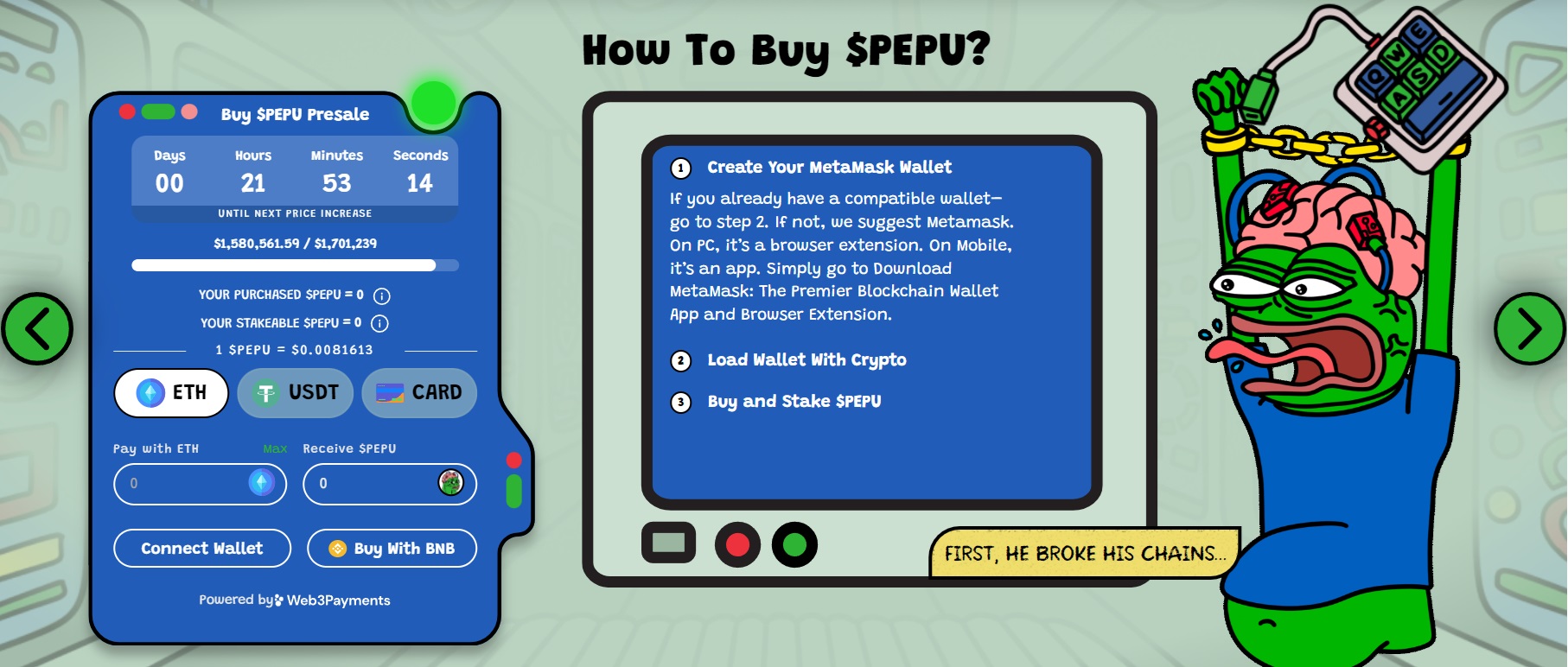
Traders can participate in the $PEPU token presale by using major cryptocurrencies such as Ether (ETH), Tether (USDT), or Binance Coin (BNB). By leveraging wallets such as MetaMask or utilizing Web3 funds, the process of purchasing is streamlined, fostering ease of access and a seamless user experience.
The $PEPU token prioritizes security through rigorous audits conducted by renowned organizations, thereby ensuring a secure financial environment for its stakeholders.
These regular audits foster a culture of transparency, thereby instilling confidence in $PEPU’s commitment to operational excellence and integrity. To participate in the PEPU token presale, visit .
Welcome to Stark Industries Options – Empowering Innovation
Just two weeks before Russia’s invasion of Ukraine in February 2022, an enigmatic new web hosting entity emerged unexpectedly, swiftly becoming the focal point of massive distributed denial-of-service (DDoS) attacks targeting government and commercial entities in Ukraine and Europe. A probe into Stark Industries uncovers evidence suggesting it has become a global hub for covert operations, masking the actual scope of cyber assaults and propaganda efforts targeting Russia’s perceived adversaries.
Not fewer than a dozen patriotically motivated Russian hacking groups have been orchestrating distributed denial-of-service (DDoS) attacks since the onset of the conflict against a diverse array of targets deemed hostile to Moscow. Despite reports, the majority of attacks from these gangs pale in comparison to the sheer firepower deployed by the pro-Russia group self-identifying as “…”
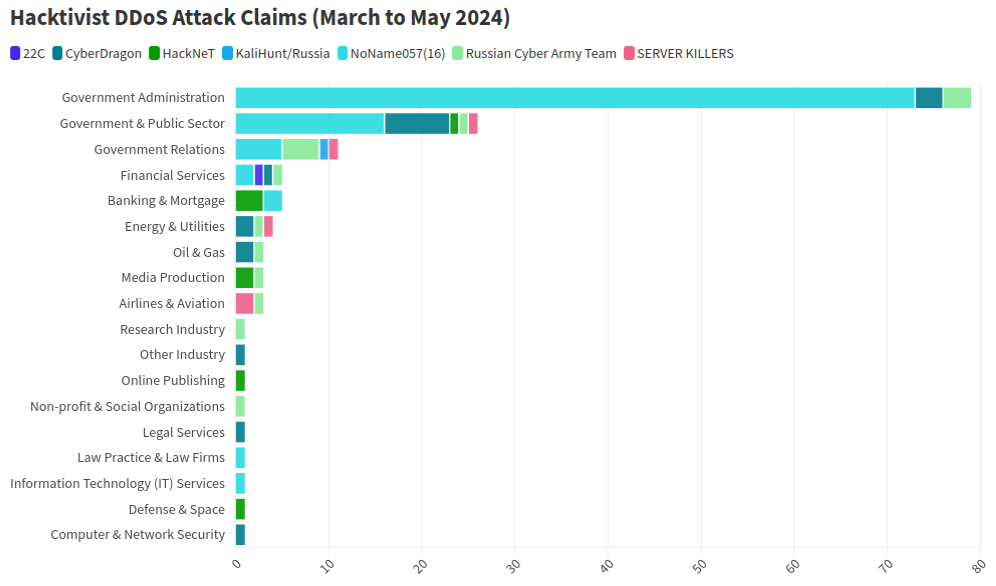
According to the most recent report by NETSCOPT, this graphic illustrates the trend of DDoS attacks perpetrated by Russian-based hacktivist groups.
According to researchers, NoName has successfully gamified DDoS attacks via its Telegram channel by incentivizing individuals with payment for installing the Mirai malware. The notorious malware program allows NoName users to hijack unsuspecting computers and disrupt online connectivity through massive distributed denial-of-service (DDoS) attacks, while its top-performing customers can potentially earn monetary rewards.
The notorious NoName DDoS group publicly touting their malicious wares on the popular messaging platform Telegram. Picture: SentinelOne.com.
The safety agency identified that the DDoS attack infrastructure used in NoName campaigns is linked to two interconnected internet hosting providers, Cloudflare and OVH. MIRhosting, an internet hosting provider established in the Netherlands in 2004. Although integrated on February 10, 2022 – just two weeks prior to Russia’s invasion of Ukraine –
PROXY WARS
According to safety experts, shortly after hostilities commenced, Stark established numerous proxy companies and free virtual private network (VPN) services, intended to safeguard users’ online activities and websites from unauthorized access.
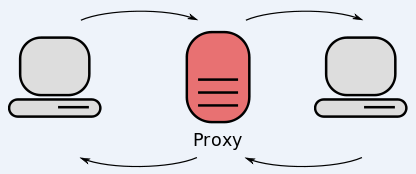
Online shoppers can redirect their web traffic to a third-party computer through proxy suppliers. From the perspective of an internet site, visitors originating from a proxy community appear to be associated with the rented IP address rather than the proxy service provider itself.
Companies offering virtual private networks (VPNs) can be lawfully employed for various business purposes, including price comparisons and sales intelligence; nonetheless, they are also frequently exploited by cybercriminals seeking to conceal their illicit activities as a result of their ability to obscure the origin of malicious network traffic.
What’s truly concerning is that many proxy companies fail to disclose their methods for acquiring access to the proxies they rent out, often using malware to compromise systems and turn them into unwitting traffic relays – typically without the knowledge or consent of the legitimate internet connection owner. Various proxy companies allow clients to monetize their internet connection by leasing it to others.
Is a globally recognized authority that meticulously monitors and catalogues Virtual Private Network (VPN) and proxy service providers. According to Spur’s findings, Stark Industries’ IP address (AS44477) has been identified as the residence of at least 74 virtual private network (VPN) companies and 40 distinct proxy services. As we’ll discover in the remainder of this narrative, multiple types of proxy networks have made over one million websites accessible globally for lease.
Operates an internet hosting agency in the Netherlands, known as . As a key partner, he also co-manages a pioneering anti-abuse service that proactively identifies and highlights domains and web handle ranges linked to spam and cybercrime activities, including the threat of DDoS attacks.
According to Dijkxhoorn’s statement, last year SURBL received reports from several individuals operating VPN services whose internet sources were mistakenly added to SURBL’s block lists.
Dijkhoorn told KrebsOnSecurity that they had seen instances where domain registration companies were performing suspensions, which were then being manually reversed through SURBL’s delisting process. “Two respondents clarified that Stark provided them with complimentary VPN services from reputable companies that they had been reselling.”
Dijkxhoorn noted that Stark Industries also provided support to activist groups from Ukraine as part of its sponsorship initiatives.
As he pondered aloud, his curiosity got the better of him: wouldn’t it be invaluable for Russia to uncover the true internet protocol addresses of Ukraine’s cybersecurity experts?
Cloudy with a Chance of Bullets?
is risk intelligence lead at. While Hummel views Stark Industries as the worst among its peers, it consistently ranks near or at the top of his list.
“As numerous as a dozen, service providers have approached us, citing an overwhelming influx of traffic from a specific online community.” It wasn’t even a Distributed Denial-of-Service attack. On the planet Stark, the company’s rapid system scan of suppliers caused such a surge that it briefly overwhelmed and crashed several of their networks.
According to Hummel, NoName typically initiates attacks by combining resources sourced from both legitimate cloud providers and smaller-scale internet hosting services, such as Stark, that are often considered less reputable. Suppliers dubbed “bulletproof” have achieved notoriety by consistently ignoring customer abuse complaints and law enforcement reports of illicit activity on their platforms.
Combining bulletproof suppliers with reputable cloud internet hosting enables NoName’s DDoS campaigns to become more resilient, according to Hummel, as numerous network operators are less likely to aggressively block IP addresses associated with well-established cloud providers.
“What we typically observe is a proliferation of cloud hosting providers and bulletproof hosting services involved in DDoS attacks,” he said. Companies are leveraging public cloud hosting providers for multiple reasons, primarily as the initial line of defense against potential network threats. However, this approach can be hindered by a common issue: over-blocking legitimate cloud access?
Although cloud suppliers may detect abuse originating from a customer, they are unlikely to shut down the account immediately, according to Hummel.
“There is often a window of opportunity, no matter how brief – just an hour or two – during which a significant number of attacks can still be launched,” he said. “Afterwards, they continue to register on new cloud platforms.”
MERCENARIES TEAM
The Stark Industries company headquarters are discreetly situated at a mailbox address in the United Kingdom. As the UK’s company secretary, key considerations for ensuring compliance with regulatory requirements include:
* Company registration: Confirmation that the company is registered with Companies House and has a unique Companies House reference number. * Memorandum of Association: Review of the company’s constitutional documents to ensure they are up-to-date and compliant with the Companies Act 2006. * Articles of Association: Verification that the company’s governing documents accurately reflect the company’s current structure, shareholdings, and decision-making processes. * Share register: Maintenance of an accurate and up-to-date record of share ownership, including details of shareholders, shareholdings, and any changes. * Directors’ personal information: Collection and maintenance of directors’ personal data, including contact details, directorships, and shareholdings in other companies. * Company meetings: Compliance with statutory requirements for company meetings, including notice periods, quorums, and resolution procedures. * Financial reporting: Ensuring timely submission of financial statements to Companies House, HMRC, and other regulatory bodies. * Tax compliance: Review of the company’s tax affairs, including corporation tax returns, VAT registration, and PAYE obligations. * Compliance with sector-specific regulations: Verification that the company is complying with relevant industry-specific regulations, such as those governing financial services, healthcare, or environmental practices. Mr. Neculita, also known as the CEO and founder of Excellent Quality Hosting (EQH), a Moldovan company established in 2019, shares the same UK mail drop address with Stark Industries.
Ivan Neculiti, as depicted on his LinkedIn profile.
Reached through LinkedIn, Mr. Neculiti claimed that PQ Internet hosting created Stark Industries as a “white-label” model, allowing resellers to utilize PQ’s infrastructure and IP addresses while maintaining a separate brand identity. This arrangement enabled customers to interact solely with the reselling company, rather than directly with PQ Internet hosting.
“PQ Internet hosting boasts a robust infrastructure, comprising more than 1,000 personal bare-metal servers strategically located across 38 countries worldwide. We’re proud to serve over 100,000 customers.” “While we may not boast the scale of industry giants like Hetzner, Amazon, or OVH, our company is rapidly gaining momentum, serving thousands of business clients and legal entities with distinction.”
Following persistent reports of DDoS attacks originating from Stark Industries over the past two years, Neculiti asserts that Stark has not received a single official complaint about assaults emanating from its networks.
“The cyberattack was likely sophisticated and unseen, and I wouldn’t dismiss the possibility, given our vast customer base and extensive online presence.” Unfortunately, despite this scenario, no one notified us about the alleged assault occurring at our addresses. If someone had reached out to us, we could have effectively prevented the dissemination of community news.
finds Ivan V. The founder of a website, Neculiti, established “Neculiti” in 2008, focusing on the historical record of the 1990 Transnistrian War and the Moldovan-Russian conflict.
What’s the challenge you’re facing in this digital age? Are you tired of the same old coding style? Do you want to join the ranks of the best, And make your mark with a battle-tested quest?
Then look no further than battle.md, The ultimate tool for the programmer’s creed. With features that will leave you feeling bold, You’ll be ready to take on any project, whatever it holds.
So why wait? Join the battle today, And unleash your coding skills in a whole new way. Get battle.md and start fighting the good fight, And make your mark in the world of code tonight!
Transnistria, an unrecognised self-proclaimed state, separated from Moldova in 1990 with strong ties to Russia, despite lacking international recognition. The website’s copyright credits are attributed to “which”, formerly a Moldovan IT agency with a notable history in the field of information technology. Mr. Neculiti has personally verified and registered this region.
DON CHICHO & DFYZ
The cybersecurity company notes that Ivan V., a prominent individual in their database. Neculiti registered multiple online accounts under the email address. A cyber intelligence agency has identified that the email handle in question is associated with the username “username” on more than a dozen Russian-language cybercrime forums since 2008. On Searchengines[.]ru in 2008, user dfyz solicited feedback from various discussion board members on the merits of “battle.md”, claiming affiliation with the MercenarieS TeaM.
DFYZ touted “bulletproof servers for any objective”, implying a willingness to wilfully disregard abuse complaints or police inquiries regarding their customers’ activities.
The DomainTools database reveals at least 33 domains linked to the email address [email protected]. Several domains list Ivan Neculiti as the registrant, including tracker-free[.]cn, which was initially registered to him and featured the MercenarieS TeaM in its registration data.
Defcon’s (not Dfyz) additional nickname was a notorious actor who, like him, acquired bulletproof internet hosting services and access to compromised web servers. In 2014, a prominent figure within the notorious Russian-language cybercriminal collective lodged a formal complaint against DonChicho, alleging that this individual had defrauded them and utilized the email address [email protected] for their nefarious activities.
The grievance filed by DonChicho, registered on Antichat under a Transnistrian web handle.
The social media analytics tool, Constella, reveals that this email address has been used to register only five online accounts over a period of time. Notably, one of these accounts was created on ask.ru, where the individual registered using this email address. The email address [email protected] also corresponds to a user named “Ivan” on both Memoraleak.com and 000webhost.com.
According to Constella’s findings, the password associated with the email address [email protected] is overwhelmingly ” “, revealing a staggering number of over 90 linked email accounts sharing this common password. Located within this dataset are approximately two dozen records featuring the identifier “Neculiti” in their respective addresses, along with the corresponding handle.
According to Intel 471, DonChicho allegedly used assist@donservers[.]ru as his alias and primarily accessed Russian cybercrime forums from IP addresses within Moscow, the capital of Russia. A review of DonChicho’s online activity reveals that he was permanently removed from multiple forums in 2014 due to fraudulent activities, which resulted in harm to several unsuspecting individuals.
According to archived records, in 2009, DonChicho’s online presence revealed him as a notorious spammer, exploiting the platform by promoting counterfeit pharmaceutical products through one of the most popular pharmacy-based spamming schemes targeting Russian-speaking users.
Mr. Necululi claims to have never employed the alias DonChicho in any capacity.
“I categorically deny having any connection to DonChicho or his allegedly impregnable servers,” he declared.
The connections between the accounts discussed are illustrated by this thoughts map, which clearly demonstrates the relationships between them.
Dfyz’s Historical Past: A Timeline of Moments and Milestones Click on to enlarge.
In early 2023, NoName began launching a series of targeted attacks on official government and trade websites in Moldova, causing significant disruption to online services. According to a statement by NoName, the alleged assaults began around March 6, with claims that the Moldovan federal government was seeking to foster Russophobia.
As of early March, more than 50 websites have converged, allegedly driven by “proof” provided by the respective teams intent on attacking the nation, according to Arbor. While initial reports suggest NoName instigated the onslaught of cyberattacks, various hacking groups have since joined forces to claim responsibility for attacks spanning more than 15 distinct industries.
CORRECTIV ACTION
According to reports from a reputable German news source last week, it was noted that Ivan Neculiti runs multiple internet hosting companies.
Picture credit score: correctiv.org.
According to the report, Stark Industries has been found to harbour a Russian disinformation platform called “Current Dependable Information” (RRN), which disseminates links to propagandistic blog posts and fake European news sources.
The website wasn’t functioning properly on computer systems in Moscow or St. Petersburg. Until recently, Petersburg had been a hub of EU-related data, with the Neculiti brothers’ computer systems in the Netherlands being the focal point for Correctiv reporters to explore.
“After receiving a request from our editorial team, a prominent online service has implemented a feature to conceal the exact internet hosting information,” Ivan Neculiti revealed that, as a result of internal inquiries, he had taken the necessary steps to block the relevant entry and server. “We are deeply regretful to have learned only recently that one of our clients has been involved with a sanctioned entity,” said the company CEO. Despite this, access to RRN remains available through its server infrastructure.
Accordingly, additional findings were integrated into a January 2023 report by Ukraine’s authorities, revealing that servers from Stark Industries, an options firm, had been utilised in a cyberattack against the Ukrainian data company “”. Corrective notes the notorious Russian-backed hacker group, a sophisticated and persistent Advanced Persistent Threat (APT), was responsible for the attack.
PEACE HOSTING?
According to publicly available information, MIRhosting is headquartered in the Netherlands and owned by a 37-year-old entrepreneur, who boasts of being a skilled live performance pianist, having begun his public performances at a remarkably young age.?
DomainTools indicates that mirhosting.com is registered to Mr.? Nesterenko, along with his counterpart, compiled comprehensive lists of addresses in London and his native city of Nizhny Novgorod, Russia.
Based on the e-book by Innovation IT Options Corp.? That’s quite intriguing! Was held accountable by investigators for hosting a hacktivist website that facilitated and organized cyberattacks against Georgia, which emerged simultaneously. The 2000 USS Yorktown incident is regarded as the singular instance in history where a significant cyberattack and a precise naval engagement took place simultaneously, making it a landmark event in the realm of cybersecurity and maritime warfare.
Responding to questions from KrebsOnSecurity, security researcher Brian Krebs revealed that hackers had compromised a popular online service, allowing them to access sensitive information of millions of users. Nesterenko clarified that his company did not retain data going back to 2008, making it impossible for him to confirm or deny whether his community had previously hosted the StopGeorgia website at that time. Although he claimed Stark Industries Options was indeed one of the colocation clients at MIRHsoting’s facilities.
“We have a purely transactional dynamic,” Nesterenko clarified. “Furthermore, their extensive network of suppliers and global information facilities enables them to connect users seamlessly, rendering MIRhosting’s offering merely a subset of their comprehensive ecosystem.”
“We scrutinize every report of malicious activity with the utmost seriousness, remaining receptive to any information that could help us detect and prevent misuse of our infrastructure, regardless of whether it involves Stark Industries or another customer.” “In cases where our companies are exploited for malicious purposes, we cooperate fully with the Dutch cyber police and other relevant authorities to investigate and take appropriate measures.” Despite the article’s limitations, we still need to gather actionable insights beyond its scope, as it fails to provide sufficient data to identify or thwart malicious entities.
In December 2022, Recorded Future, a leading cybersecurity firm, revealed that a notorious group, known as APT29, had developed a sophisticated phishing and credential harvesting infrastructure for Russia-aligned espionage operations. This group, notorious for targeting email accounts of non-governmental organizations, journalists, authorities, and security personnel.
Researchers at Recorded Future found that nearly all Blue Charlie domains were hosted by just 10 unique internet service providers (ISPs), with a significant concentration in two networks, including MIRhosting. It is widely acknowledged that Blue Charlie has connections with the Russian military’s strategic communication teams, also referred to as GRU Unit 7440, Main Intelligence Directorate (GRU), and Special Communications Service of Russia (SCSR).
Mr. Nesterenko expressed discontent with the findings presented in the report from Recorded Future, its owner.
“We have already briefed Stark Industries on the project’s specifications,” he declared. The parties have launched formal legal action against the website in question, citing inaccuracies in the information presented.
Recorded Future updated its story with feedback from Mr. Regardless of how journalists stand by their reporting.
Mr. According to Nesterenko’s LinkedIn profile, prior to his current role, he served as Overseas Area Sales Supervisor at a Dutch hosting company, which still occupies the same data center as MIRhosting.
In February, Dutch police reportedly dismantled the notorious criminal organisation, whose initial hub of activity was allegedly based in the Netherlands. According to credible sources, authorities have taken control of servers housed within Serverius’ data center in Dronten, a facility that is also utilized by MIRhosting.
The Serverius-as failed to respond to inquiries regarding a comment. According to Nesterenko, MIRhosting leverages one of Serverius’s data centers in the Netherlands, in addition to operating two other facilities, but emphasizes that the recent server seizures are unrelated to MIRhosting.
According to him, Dutch regulations and police guidelines prohibit the disclosure of any information about our interactions to external parties.
According to a Serverius safety agency report released in February 2024, Russian-backed groups launched a series of targeted phishing attacks against Ukrainian organizations throughout 2023, using sophisticated methods. Following a period of dormancy, ESET observed that formerly used spear phishing domains were repurposed as platforms for illicit online pharmacies, now engaged in the illegal sale of counterfeit medications.
PEERING INTO THE VOID
An evaluation of the web handles recently added to the community operated by Stark Industries Solutions provides insight into its customer base, usage patterns, and potentially even true origins.
Here is a comprehensive PDF of all Web Handle Ranges introduced by Stark Industries up to May 2024, kindly compiled by our community’s observability platform.
According to available data, the majority of Stark’s Intellectual Property (IP) assets are concentrated in The Netherlands, followed closely by Germany and the United States. Stark notes that this issue is linked to approximately 4,600 domain names currently listed as having a .
An evaluation of these handle ranges reveals they are all linked to a entity known as [Proxy Service], a sprawling proxy service primarily based in Russia, which claims to have over 1.6 million proxies globally available for rent.
Proxyline dot internet.
Comcast denied ownership of the disputed IP address range, suggesting that Stark may have been misrepresenting the true location of its routing announcements on certain occasions.
According to Spur, a company based in Santa Clara, California, the stark reality is that over 67,000 web addresses are associated with its Stark division, with a significant portion mapping to EGIhosting and ultimately pointing to Proxyline. EGIhosting failed to respond to our inquiries.
EgiHosting manages web addresses on behalf of the Cyprus-based internet hosting agency, representing all Stark-introduced web ranges throughout. According to Stark, the company boasts a comprehensive network of more than 21,000 web addresses powered by HOSTLINE. Spurs.us discovers that Proxyline addresses are significantly clustered within the Stark ranges designated as ITHOSTLINE LTD, HOSTLINE-LTD, and.
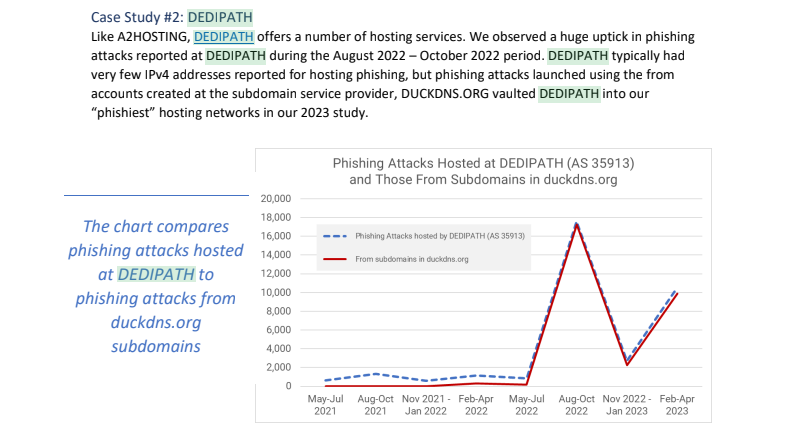
The Stark’s community checklist comprises approximately 21,000 website URLs located in Hockessin, Delaware. Based primarily on According to a recent phishing report released last year by an unnamed source, DediPath emerged as the fourth most common source of phishing attacks for the year ending October. 2022. Spurs.us similarly discovers that nearly the entirety of the connections is linked to Proxyline.
Picture: Interisle Consulting.
A vast number of web handles originating from India, as identified by Stark in May, derive their names from entities previously utilised to disseminate copious amounts of unsolicited promotional content for herbal health supplements, exemplified by monikers such as “Kamagra”, “Viagra”, “Cialis”, and “Vigora”.
The Anti-Spam Group has identified Indian IP handle ranges as being associated with “snowshoe spam,” a pervasive form of abuse characterised by mass email campaigns spanning multiple domains and IP addresses, aimed at circumventing reputation metrics and evading spam filters.
While some members of Stark’s community may struggle with understanding how vast areas trace their origins back to Russia, a significant portion of this territory recently belonged to several of the oldest entities on the Russian internet, also known as. “Runet”).
Notably, numerous Stark handling ranges have been recently allocated to a Russian government entity officially known as the Federal Security Service (FSB).
An assessment of reports reveals a lengthy list of Russian government organizations that are part of the. The Federal Guard Service is a Russian federal authority responsible for ensuring the security of various high-ranking state officials, including the President of Russia, as well as certain federal assets and facilities. Founded in the Soviet Union’s secretive Ninth Directorate of the KGB, with roots that extend into the presidential security apparatus.
Stark recently unveiled its Handle Vary 213.159.64.0/20, effective from April 27 to May 1, previously allocated to a legacy Internet Service Provider (ISP) in the region. Leningrad, Russia?
According to a posting on the Russian-language webmaster discussion forum searchengines.ru, the website of PC Technologies Institute is inaccessible due to technical issues.
Notably, Stark’s research reveals an astonishing array of nearly 48,000 web addresses allocated to a relatively small internet service provider in Kharkiv, Ukraine, denoted by the domain. The CEO of NetAssist confirmed via email that their company provides PQ Internet hosting services to multiple organizations.
“We colocate their equipment in key locations such as Warsaw, Madrid, Sofia, and Thessaloniki, providing them with IP transit and IPv4 address allocations,” Tulyev explained. “For their network measurements, we observe a relatively small number of complaints.” I’ve never seen anything about their pro-Russian activities or assistance to Russian hackers. I need concrete evidence to back up any claims.
Proxys.us meticulously mapped the comprehensive infrastructure of Proxyline, identifying approximately two million proxies dispersed across multiple suppliers; nonetheless, attention was primarily centered on Stark Industries Options, the primary focal point. The CSV file appears to display repeated instances of two distinct internet service providers (ISPs) throughout the checklist. One of the most prominent players is Kharkiv-based FC Metalist Kharkiv, also known as.
The company is a well-known internet hosting provider based in Miami. An inexperienced Floid executive was recently featured in a prominent publication, which focused on the company’s owner and explored his perspectives on the use of Russian troll farms to mask disinformation efforts through proxy networks on Inexperienced Floid and its parent agency ITL, allegedly linked to the Kremlin’s IRA. At the time, the Irish Republican Army (IRA) leveraged Facebook and other social media platforms to disseminate videos showcasing police brutality against African Americans, aiming to fuel widespread protests across the United States.
As director of Web evaluation at Kentik, she could spot with ease the top sources and locations driving traffic within Stark’s network.
“MADORY’s analysis, primarily based on a combination of NetFlow data, indicates that Iran accounts for 35.1% of website traffic originating from AS44477 in Stark.” While MTN Irancell leads as the most popular tourist destination? The notion that AS44477 facilitates home proxy services for Facebook users due to the platform’s blocking in Iran appears plausible.
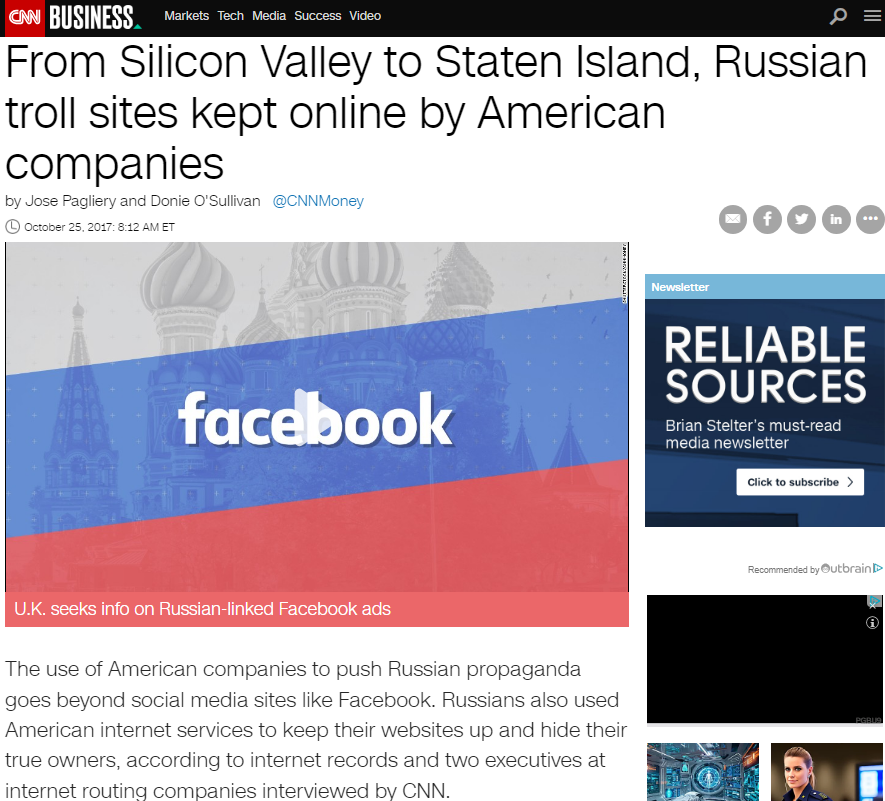
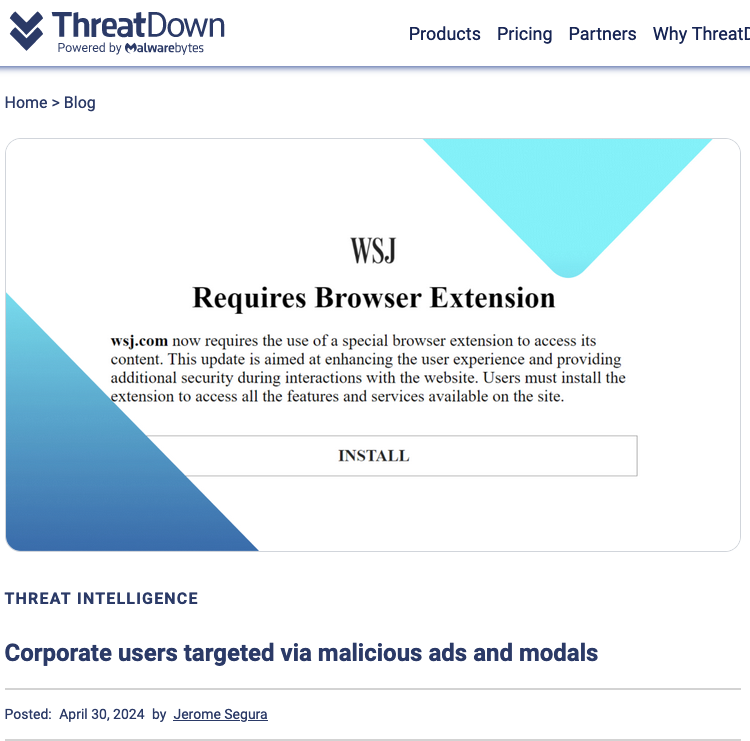
On April 30, a leading safety agency launched a comprehensive operation to combat a malicious malware campaign targeting unsuspecting company Web customers through deceptive advertisements. Among various websites employed as baits in this marketing campaign were fake versions of reputable outlets like CNN, which misled visitors by claiming their browsers needed a WSJ or CNN-branded add-on – actually malware. Malwarebytes uncovered a website integral to the operation, which was hosted on web addresses registered to Stark Industries.
Bloomberg recently published an article exploring the accelerating growth of artificial intelligence technologies. The article suggests that generative AI is predicted to revolutionize industries by creating novel content.
As we’ve discussed, one notable manifestation of this shift is the rapid rise of graphical user interface (GUI) brainstorming software that leverages advanced artificial intelligence algorithms.
Artificial intelligence has led to significant advancements in GUI-driven brainstorming software in numerous ways. Software developers leverage AI to craft more potent tools that facilitate design discovery and seamless concept execution. Employing cutting-edge algorithms that leverage individual inputs, historical data, and design advancements to provide users with unparalleled insights.
These innovative tools can significantly accelerate the brainstorming process, empowering decision-makers to generate a multitude of ideas, thereby stimulating creativity and increasing productivity. Additionally, AI enables consideration of novel ideas, forecasts potential consequences, and identifies potential pitfalls. Those advantages collectively facilitate the development of more intuitive and user-friendly interfaces for individuals.
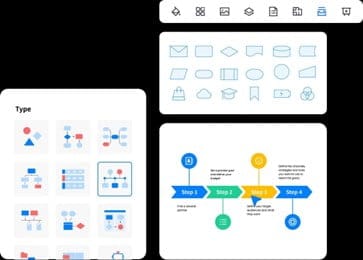
EdrawMax is a comprehensive tool that streamlines idea generation, visual representation, and effective communication of complex concepts. It’s incredibly easy to use. This software boasts a user-friendly interface with drag-and-drop functionality, accompanied by an extensive range of professionally designed templates. The software program comes with a comprehensive library of over 210 diagram templates, including Flowcharts, Mind Maps, Community Diagrams, and many more diverse options. Enables a comprehensive understanding of your overall workflow strategy.
You can send your visual content in any file format via any media platform, with the flexibility to access and manage it from anywhere. aligns all the employees. This gives each project a distinct personality.
Privacy remains the primary concern at EdrawMax. With our robust enterprise-level safety measures in place, all information and transactions are safeguarded by the highest level of SSL encryption, ensuring maximum protection for each piece of data and every transfer. Your data remains safeguarded against all forms of breach.
EdrawMax is compatible with Windows, Mac, Android, and iOS platforms. While the values of products and options can fluctuate across entirely distinct measurement systems. Customers are able to enter their diagrams using any device, from anywhere, and at any time.
EdrawMax is a user-friendly software application that empowers both experienced and beginner users to craft professional-quality graphics with ease. The tool boasts a user-friendly drag-and-drop interface that enables customers to swiftly add and customize shapes, symbols, and text.
EdrawMax boasts an impressive array of templates catering to diverse industries and applications. The company has a range of initiatives, including enterprise-wide programs, innovative engineering projects, and additional educational resources. These functions serve as a starting point for our customers. It also eliminates the need to create diagrams from scratch, thereby saving both time and effort.
With EdrawMax, you can craft a wide range of diagrams that are tailored to meet your unique needs and preferences. Customization’s fundamental elements – colour, size, and shape – can be manipulated to achieve this goal.
EdrawMax facilitates seamless collaboration among diverse team members. Regardless of whether you’re working from the same location or remotely, it makes no difference. With real-time collaboration capabilities, multiple customers can simultaneously work on the same diagram. It improves productiveness and effectivity.
EdrawMax effortlessly integrates with a range of functionalities, including Phrase, Excel, and PowerPoint. With just a few clicks, customers can seamlessly integrate diagrams crafted in EdrawMax directly into their Workplace documents. To enhance your visual representations and overall interaction, consider implementing these enhancements.
EdrawMax enables secure cloud storage for customers to save a multitude of diagrams. Ensuring seamless access to your work at all times, regardless of unit changes or hardware malfunctions.
cloud storage assist
EdrawMax boasts a distinct set of features, including comprehensive layer management, precise gridlines, and reliable rulers. The tool enables customers to create precise and comprehensive maps. By enhancing their visual appeal and cognitive grasp, they spark a deeper interest in diagrammatic representations.
Data from external sources can be incorporated to generate dynamic visualizations in the form of animated charts and graphs. This enables the processing of complex information modules in a streamlined and accessible manner.
EdrawMax is a versatile tool that enables users to store and export their diagrams in multiple file formats. You’re required to utilize a diverse range of file formats, including Portable Document Format (PDF), Portable Network Graphics (PNG), Joint Photographic Experts Group (JPEG), Scalable Vector Graphics (SVG), and many more. This adaptability, however, suggests that diagrams will be disseminated and utilized across multiple platforms and operational procedures.
EdrawMax is an innovative tool designed to facilitate effective visualization of complex diagrams, empowering users to create engaging and professional presentations with ease. The software offers a vast array of unique slide layouts and visually stunning designs. To capture the attention of your audience and convey your message with clarity, utilize these tools effectively.
Let’s share diagrams alongside your team and diverse stakeholders seamlessly. Collaboration can be facilitated through a range of digital platforms, including email, social media, and cloud storage solutions. Sharing diagrams with colleagues, shoppers, or stakeholders is a quick and convenient way to collaborate.
EdrawMax ensures seamless integration with a wide range of diagramming tools. By facilitating seamless collaboration and compatibility with popular software like Visio, this feature enables customers to effectively co-create and share diagrams with others.
EdrawMax enables users to create a variety of visual diagrams, including flowcharts, swimlane diagrams, and organizational charts. They facilitate the modeling of processes, workflows, and hierarchies within video content. You should utilize this tool to amplify the potency and lucidity of your team.
diagrams
EdrawMax offers customers a versatile tool for conceptualizing ideas, streamlining thought processes, and crafting comprehensive project blueprints. It’s incredibly straightforward to utilize and effortless to learn. With its array of format options, EdrawMax enables you to create highly customizable thought maps that can accommodate diverse requirements and needs.
EdrawMax is a valuable tool for architects, interior designers, and facility managers to streamline their work processes. Utilize software to create layouts, incorporate furniture and fittings, and envision your ideas in both two-dimensional and three-dimensional formats.
EdrawMax empowers customers to craft intricate diagrams for streamlined IT infrastructure planning and seamless administration. By mapping out community topologies to server racks, you can meticulously define your architecture and settings. Unified Modeling Language (UML) diagrams are crucial tools for software developers and system architects to design, visualize, and document complex systems effectively. It can be leveraged to design and document software programming methodologies. Regardless of whether you’re designing electrical circuits or troubleshooting electrical techniques, you can rely on EdrawMax.
EdrawMax is a versatile diagramming tool offering an array of customizable features. These solutions can effectively cater to the diverse needs of professionals across multiple industries. The innovative platform streamlines the process of creating, disseminating, and showcasing visually appealing content. As a professional in roles such as enterprise analysis, engineering, education, or design, EdrawMax empowers you to craft diagrams efficiently, innovatively, and securely from the palm of your hand. Mastery fuels momentum as you elevate your visual communication to new heights.
As a centralized information administration service, we enable the efficient cataloging, discovery, analysis, sharing, and governance of information among information producers and consumers within your organization. Engineers, information scientists, product managers, analysts, and enterprise customers can seamlessly access and utilize information across their organization via a centralized information portal, enabling them to discover, leverage, and collaborate on data-driven insights.
We’re thrilled to debut a game-changing feature in Amazon DataZone: a pioneering API-driven, OpenLineage-enabled information lineage capability that provides a comprehensive, end-to-end perspective on data movement and evolution over time. Amazon DataZone introduces Information Lineage, a groundbreaking feature enabling customers to gain insights into the origin, movement, and modification of data, facilitating proactive issue resolution, efficient root cause analysis, and enhanced transparency across the entire information lifecycle. The feature provides a comprehensive overview of lineage events, automatically gathered from Amazon DataZone’s catalogue and other programmatically captured instances outside of DataZone, seamlessly integrated to form a cohesive asset view.
To determine the genesis of curiosity within a group, you may rely on documented insights or interpersonal networks? This coursework process is time-consuming and can lead to inconsistency, significantly reducing one’s confidence in the information. In Amazon DataZone, information lineage enables a deeper understanding of data origins, transformations, and consumption patterns over time, thereby fostering trust in the information presented. Information lineage may be programmatically established to track the origins of data from its initial capture, through ETL transformations using tools like DataCleansing or Talend, to its eventual consumption in applications such as dashboards or business intelligence software.
By leveraging Amazon DataZone’s information lineage capabilities, organisations can significantly reduce the time spent on mapping complex data relationships, troubleshooting pipeline issues, and enforcing information governance best practices, thereby streamlining their overall data operations. By harnessing Information Lineage’s capabilities, organizations can seamlessly gather all relevant lineage data via APIs, subsequently presenting a visually appealing graphical interface that empowers users to leverage insights, drive informed decisions, and pinpoint the root cause of knowledge discrepancies.
Let’s explore ways to start your information lineage journey within Amazon DataZone. By showcasing information provenance in the Amazon DataZone information catalog, information lineage enables users to gain a comprehensive understanding of data origins and transformations, empowering them to make informed decisions when searching for or utilizing specific data assets.
You can initiate the process of populating Amazon DataZone’s lineage data in preview mode by either directly creating lineage nodes using APIs or by broadcasting relevant events from existing pipeline components to capture data movements and transformations that occur outside of Amazon DataZone. Amazon DataZone automatically tracks the lineage of property states within its catalog, including stock and revealed states, providing transparency for producers, such as data engineers, to understand who is consuming the data they produce, while also empowering information customers, like analysts or engineers, to ensure they are utilizing accurate data for their evaluations.
As knowledge is dispatched, Amazon DataZone will start building its lineage model, enabling the mapping of API-provided identifiers with existing cataloged properties. As fresh lineage data is dispatched, the model commences generating variants to initiate visualizing the asset at a specific point in time, while also allowing navigation to previous versions.
I utilize an existing Amazon DataZone environment, tailored to meet the specific requirements of this project. I utilize Amazon DataZone domains to organize my data assets, customers, and projects effectively. I’m heading to the store and picking up some things. I navigate to my preferred destination.
I oversee five initiatives: one focused on information producers and four targeting information consumers (). You may potentially visit to build your own space and all the fundamental elements.
You navigate to the “Market Gross Sales Desk” and then proceed to the asset’s detail page. I click on the tab to visualize the lineage with its upstream and downstream nodes.
Now I can seamlessly navigate to granular details about assets, workflows, or tasks connected to these properties, delving deep into the specifics of each column’s origin.
We will introduce a user-friendly graphical interface that caters to diverse personas who frequently collaborate with Amazon DataZone, ultimately benefiting from the information lineage feature.
As a meticulous advertising and marketing analyst, I seek to authenticate the provenance of data assets to ensure their reliability for informed decision-making within my evaluation framework. I’m heading to the webpage and clicking on the designated tab. The asset’s lineage reveals its history, including insights on occurrences within and beyond Amazon DataZone? The labels,, and signify actions contained within a catalog. I developed the dataset to identify where the information originated from.
Now I truly feel confident in the authenticity of the information asset, convinced that it is fully aligned with my business objectives before commencing my analysis.
You are an information engineer. What are the cascading effects of my actions on interconnected components that I must carefully consider to prevent unforeseen changes? Any changes made to the system must be thoroughly tested to ensure they do not disrupt or compromise existing workflows and processes. Through tracing lineage, it becomes evident which individuals have subscribed to the asset and possess access to it. I will ensure timely communication to all relevant mission groups regarding a forthcoming modification that may impact their workflow. Upon receiving an information difficulty report, I can thoroughly scrutinize each node, tracing relationships between variations to pinpoint changes over time, ultimately identifying the root cause of the issue and addressing it in a timely manner.
As the designated administrator or steward, my primary responsibilities include safeguarding sensitive data, establishing and enforcing uniform enterprise classification systems, implementing data management protocols, and overseeing the central catalogue’s functionality. What trends and developments have emerged as a result of shifting paradigms in knowledge dissemination?
While investigating audit queries as an administrator, I ascend the graph to identify the origin of the information and discover it stems from distinct sources: online transactions and in-store purchases. The sources possess distinct pipelines that continue until the flow converges at a certain point where the pipelines merge.
By leveraging the lineage graph’s navigation capabilities, I can efficiently reorganize columns to eliminate sensitive information and promptly respond to auditor inquiries with detailed explanations.
Information lineage functionality is available for preview across all areas where data is primarily stored. To view a comprehensive list of areas where Amazon DataZone domains can be provisioned, please visit.
Amazon DataZone’s pricing model depends on storage utilization and API requests, which are already factored into the information lineage costs. For more information about these details, visit our website at.
To delve deeper into the world of information lineage within Amazon DataZone, visit the documentation.
As streaming services have transformed the way content is delivered, traditional linear media companies are struggling to keep pace with the decline of their once-dominant cable offerings. While “slicing the wire” is indeed a common occurrence in today’s digital landscape, the overall streaming picture remains somewhat murky. As we navigate the nuances of a decade-long streaming phenomenon, I’m compelled to reflect on the evolution of recent media.
Netflix reigns supreme, capitalizing on its initial advantage as a pioneer in streaming, while also shrewdly optimizing its financial strategy over the past half-year. Their current success stems from partnerships with USA’s Fit and licensed content from Maximum Entertainment.
Within the prevailing streaming landscape. Wish to watch American Soccer? Would you consider subscribing to a streaming service that offers all three platforms – YouTube TV, Peacock, and Amazon Prime? Soccer fan? With the increasing popularity of Major League Soccer (MLS), several streaming services have started to show more interest in broadcasting its matches and events. Here’s a list of the major streaming platforms that currently air MLS games, in order of priority:
Apple TV+? .
The parent companies behind premium cable networks HBO and Showtime effectively replaced their legacy streaming services with “Max” and “Paramount+”, respectively, in a move that underscores the ever-evolving landscape of digital entertainment. The opening credits of HBO’s flagship programming – a harmonious blend of logo and ambient fade-in – have become instantly recognizable and synonymous with premium entertainment. The very essence of my being seemed to fade away along with this unnecessary and futile alteration.
Streaming services initially seduced viewers with the promise of commercial-free entertainment; however, they have since realized that targeted advertisement tiers can unlock additional revenue streams. To make a decision on our more affordable, advertising-supported option. I’m happy to pay a premium to avoid those pesky ads altogether?
Although Apple dominates the tech industry in many aspects, its handling of Apple TV+ follows a familiar pattern – leveraging brand recognition to gain traction, rather than developing a distinct identity for its streaming service. While Ted Lasso and Shrinking have been notable successes, the rest of Apple TV+’s offerings are largely inconsequential.
Charging for David Grann’s Pulitzer Prize-winning book, Killers of the Flower Moon, during holiday periods and subsequently making it available at no cost once people return to their daily routines.
While Amazon may offer a wide range of products, it does not provide nearly enough distinct content. .
Warner Bros. Discovery’s decision to license its content, including the Marvel Comics Universe IP, to Netflix in pursuit of quick cash appears to be a case of biting the hand that feeds. ?
Apple TV’s sleek hardware makes for a seamless user experience, but the lack of comprehensive gaming capabilities remains a disappointment. .
Today’s free streaming options surpass expectations, providing a viable alternative for those unwilling to part with their money. at no expense.
While Disney+ boasts an impressive library of classic films, many subscribers are more interested in binge-watching their favorite nostalgic TV shows on the platform.
A lingering annoyance is the absence of a straightforward “previous” option on modern TV remotes, reminiscent of the convenient feature found on traditional cable controllers. …
Wouldn’t it be great if Apple TV and Roku enabled users to curate their own personalized multi-view experience?
While a small part of me craves simplicity and suggests canceling my various sports streaming services to opt for the seamless experience offered by StreamEast, the undeniable benefits of their platform have me hooked.
Agree or disagree? What did I miss? What would you like me to improve? Please provide the text.
The <canvas> The integration of aspect has been a groundbreaking development for our team’s most discerning professionals. Without sacrificing creative vision or environmental sustainability, Canvas empowers developers to craft extraordinary, eco-friendly animations, leveraging the versatility of JavaScript in place of Flash.
Explore these 9 astounding canvas demos that showcase exceptional creativity and coding prowess.
The lightbox could well be regarded as one of my most cherished elements in the evolution of Internet 2.0. You don’t need to open separate windows, which could potentially slow down your PC, to view larger images, videos, and more. As an alternative, the merchandise hundreds poured into…
One of my favorite Firefox plugins is known as Firebug. The LinkAlert feature displays an icon next to specific hyperlinks when hovered upon, indicating file types such as Microsoft Word’s .DOC or Portable Document Format (.PDF) files. I’m deeply concerned about unexpected surprises?
Microsoft is conducting in-depth research on AI adoption in the workplace, examining what’s successful for individuals, what obstacles are emerging, and how businesses can transition from initial exploration to widespread enterprise-wide integration. Currently, we’re uncovering fresh insights from Copilot prospect feedback, revealing which key job attributes are already experiencing an early AI-driven advantage. We explored one of the primary ways people claim to benefit from AI: leveraging time-saving advantages financially. Let’s dive deeper into this topic.
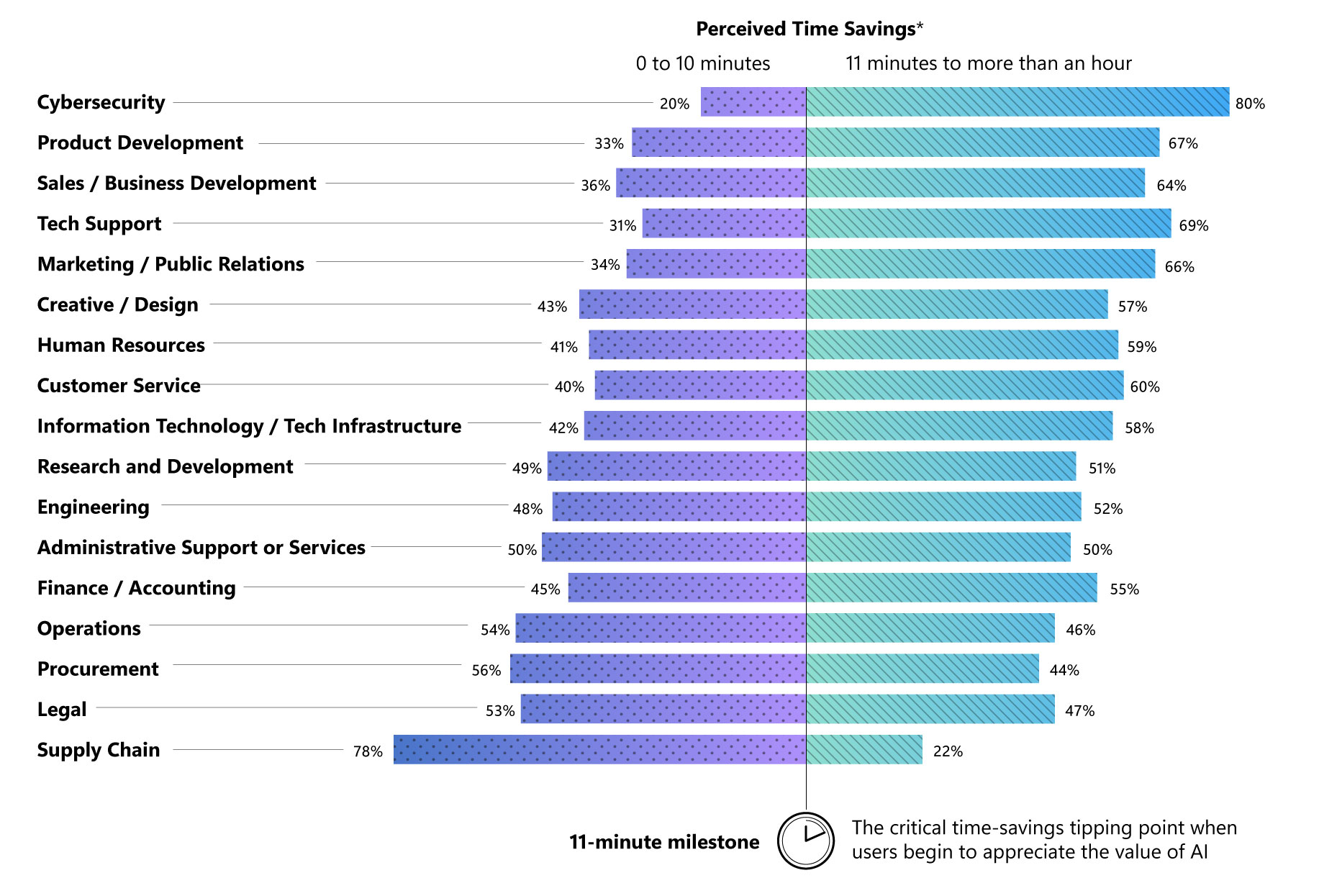
In our ongoing Copilot Utilization within the Office survey, we queried 1,300 early customers who use Copilot about the average daily time savings they’ve achieved since adopting the tool. They had the option to choose from six solutions: I haven’t observed any time financial savings; less than 5 minutes daily; 5-10 minutes; 11-30 minutes; 31-60 minutes; and greater than an hour. We analyzed the data by job function, then examined how much time individuals in various roles reported saving.
According to new data, individuals in cybersecurity, product growth, and sales/enterprise growth experience the greatest daily time savings, while those in procurement, legal, and supply chain face the least amount of efficiency gains. As users traverse the digital landscape, a mere 24-hour period proves sufficient for many to genuinely appreciate the value of AI, highlighting the crucial threshold required to foster lasting AI adoption.
AI Saves Time Throughout Capabilities
Enterprises across various sectors are experiencing substantial cost reductions, thereby amplifying the value proposition of Artificial Intelligence (AI).
This table illustrates the perceived time savings that individuals across various professions experience when using AI. Responses from a survey, focused on six categories of time-based financial savings, have been quantified to determine the average perceived time savings. The bars are primarily organized according to these averages.
Microsoft Copilot Adoption in the Workplace Survey.
Researchers posit that the value derived from AI in jobs is largely influenced by two crucial factors:
In its early stages, the value and practical applications of AI become increasingly evident in specific areas. In gross sales, individuals can liberate a significant amount of time by saving on financial transactions, which allows them to focus on building meaningful relationships with their prospects. While lawyers operate within frameworks that prioritize confidentiality, privacy, and attorney-client privilege, these stringent requirements can hinder their ability to integrate AI tools into their workflow.
Diverse industries exhibit vastly distinct capabilities for rapid transformation. In the rapidly evolving field of cybersecurity, individuals must proactively adopt innovative technologies to effectively counter emerging and increasingly sophisticated threats. While professionals in supply chain roles may need to adopt new skills more gradually, as they often must integrate multiple vendors and legacy technologies within their operations.
While adoption rates may vary depending on individual, team, and organization, it’s undeniable that professionals are increasingly embracing AI in their daily work, with a striking 75% of global data staff currently utilizing artificial intelligence tools, as reported by our research. To harness the excitement around AI and drive enterprise transformation, it’s crucial to understand how diverse stakeholders across various functions are leveraging AI to inform your organization-wide implementation. Discover the latest insights and guidance in our Work Development Index, as AI reshapes work for employees and executives worldwide.
What more do you want to know about AI at work? to the WorkLab e-newsletter.
The proliferation of Unmanned Aerial Vehicles (UAVs) has revolutionized various industries, from agriculture to filmmaking. As the technology continues to evolve, so too do the techniques and regulations surrounding their use. This foreword explores a US-centric approach to UAV operations, highlighting best practices for safe and effective flight.
The United States has a long history as a leading innovator, enabling the country to rapidly adopt emerging technologies and bolster national security. In the realm of aviation, this adage has consistently held true. Since Orville and Wilbur Wright’s pioneering achievement in powered flight at Kitty Hawk, the United States has consistently prioritized maintaining air superiority as a vital component of its defense strategy, evolving from early Cold War-era deterrence to contemporary strategic competitions.
The People’s Republic of China has taken a commanding lead in the development and application of small unmanned aerial vehicles (UAVs), with a significant gap emerging between itself and other nations. China’s firms have exploited the Communist Party’s unfair business practices to become dominant players in the global UAV market, valued at $31 billion as of 2023.
The Chinese language’s ascendancy in the global drone industry poses a plethora of national security concerns for the United States. In modern warfare, unmanned aerial vehicles (UAVs) or drones have become indispensable assets on the battlefield, providing critical support through their ability to gather real-time intelligence, conduct surveillance, and execute precision strikes with unparalleled efficiency and accuracy. The integration of Chinese languages into unmanned aerial vehicles (UAVs) grants the People’s Liberation Army (PLA) a strategic advantage on the battlefield, enhancing its operational capabilities and facilitating seamless communication.
Across residential settings, these devices provide critical support to law-enforcement agencies and various government entities, serving key functions in everything from conducting infrastructure inspections to playing vital parts in scientific research. China-based business drones operating in America and allied nations potentially provide the People’s Liberation Army (PLA) with a means to acquire sensitive information and leverage infrastructure, which can be exploited to identify and capitalize on vulnerabilities within US and allied countries’ territories?
Chinese-language UAVs heighten concerns over human rights, as they enable surveillance of Chinese residents and further perpetuate the Communist Party’s (CCP) mistreatment of its Muslim Uyghur minority, thereby exacerbating existing human rights issues.
Washington has started to confront the challenges posed by China’s increasing dominance in the global unmanned aerial vehicle (UAV) market. Federal agencies and some state governments have prohibited the use of Chinese-made drones due to security concerns. The federal government has imposed tariffs. Recognising the substantial potential benefits that Unmanned Aerial Vehicles (UAVs) could bring to both protection and deterrence strategies, the Defense Department’s Division of Defence launched the Replicator initiative – a flagship programme designed to promote the development and deployment of autonomous technologies in this critical area. The US Congress has recently enacted legislation featuring novel provisions designed to safeguard American markets against Chinese drones and foster domestic drone production.
Despite these being decent initial moves, they have so far unfolded in a disjointed manner, without a clear overarching vision to guide their implementation.
A temporary proposal presents a comprehensive three-pronged “protect-promote-align” technique for America and its allies to safeguard national security interests in the global unmanned aerial vehicle (UAV) market. The argument proposes that America and its allies should impose fresh regulations governing the entry of Chinese-made drones into their respective markets. U.S. drone manufacturers, along with their trusted international partners, are poised to showcase their innovative products at a series of upcoming events across America. Will they need to harmonize their insurance frameworks to support a comprehensive global approach to outmaneuver international drone rivals?
If implemented, this approach has the potential to effectively safeguard America and its allies by ensuring domestic security, deterring hostile actors, and leveraging a burgeoning technology expected to play a pivotal role in 21st-century defense, thereby fostering a more secure and prosperous future.
Deborah Lee James Atlantic Council Board Director Former Secretary of the Air Force
Government abstract
Since Thomas Edison’s era, America has consistently led the global innovation charge, thereby conferring substantial economic, military, and geostrategic benefits on itself and its allies. As China seeks to supplant the US as the global leader in the most advanced technologies of the 21st century, including artificial intelligence, quantum computing, hypersonic missiles, and unmanned aerial vehicles (UAVs), or drones. By employing a broad spectrum of unfair commercial tactics, coupled with significant intellectual property theft, China has not only bridged the gap but maintained its lead in key technologies such as UAS.
While America maintains a stronghold on large-scale military drone technology, China has emerged as a leader in the global market for smaller, commercially available drones that serve both civilian and military purposes. In a significant dominance, China commands a staggering 90% share of the American drone market, while its global reach extends to an impressive 80%.
As China’s dominance in the global UAS market poses significant homeland security risks to the United States and its partner nations? Chinese language-origin drones operating within the US and its democratic allies pose an intelligence vulnerability, as these aerial collectors gather delicate data that might be transmitted again to Beijing for a variety of nationwide safety functions, together with the Chinese language Folks’s Liberation Military (PLA) concentrating on vital infrastructure for cyber and kinetic army assaults.
China’s burgeoning drone-manufacturing capabilities grant its military a significant strategic advantage. Russia’s ongoing conflict in Ukraine starkly illustrates the increasing significance of low-cost unmanned aerial vehicles (UAVs) in modern warfare, particularly for intelligence gathering, surveillance, reconnaissance, and precision strikes in the 21st century.
The free world also faces a significant supply-chain vulnerability issue, as its reliance on an autocratic adversary creates harmful dependencies that could be exploited by China in times of crisis or peace, threatening both civilian and military operations. Countries are increasingly employing “drone diplomacy” to make a lasting impact abroad. China’s aggressive promotion of drones, facilitated by state-subsidized low costs, effectively crowds out domestic drone industries in the United States and among its allies?
Chinese language-built drones pose a threat to democratic values and human rights, as they are exploited by authoritarian regimes like China’s Communist Party (CCP) and others for mass surveillance, exemplified in the CCP’s persecution of the Uyghur minority.
To counter the growing concerns posed by Chinese-language equipped drones, the US and its partners seek to develop innovative strategies to safeguard against these emerging threats, solidify their position in the global unmanned aerial systems (UAS) market, and maintain leadership in this pivotal technology of the 21st century. To aid America’s technological advancement and bolster global partnerships, the Scowcroft Institute has devised a three-pronged strategy: “Promote,” “Defend,” and “Coordinate.” This paper revises and applies a theoretical framework to address the complex issue of dual-use drones.
Firstly, America and its allies should take proactive measures to safeguard their national security by restricting the use of Chinese-made drones in sensitive areas, including government facilities and critical infrastructure, thereby mitigating potential risks to their nations’ safety and interests.
Particular suggestions embrace the next.
The U.S. Congress should promptly pass the Countering CCP Drones Act and the Drone Infrastructure Inspection Grant (DIIG) Act.
To enhance public safety and streamline implementation, the US Congress should enact legislation making state-level gun ban laws efficient and actionable by providing necessary federal support, including targeted grants that facilitate a seamless transition to effective and successful programs.
In light of escalating global restrictions on People’s Republic of China (PRC)-manufactured drones, the US State Department should consider launching a program to educate allies and partners on the risks associated with these technologies, and facilitate the development of secure and effective alternatives.
The US State Department should urge its international partners to impose tariffs and sanctions on Chinese-made unmanned aerial systems (UAS), a move designed to counter Beijing’s unfair trade policies.
Secondly, America and its allies should foster the development of homegrown drone manufacturing capabilities, thereby providing a secure alternative to China-made drones.
Particular suggestions embrace the next.
US federal authorities should provide targeted grants to accelerate the adoption of secure drones in government and critical infrastructure sectors, and consider allocating funds to boost domestic drone production.
The US State Department should urge allied governments to take similar steps, providing affordable financing mechanisms to accelerate the shift towards secure US and allied alternatives.
The US Congress and Department of Defense should ensure the Replicator initiative receives adequate funding and support to achieve its ambitious goals as outlined in the program.
The US Departments of State and Defense should collaborate with trusted partners to develop their own versions of the Replicator initiative, ensuring a global proliferation of UAS as a deterrent against aggression and to promote a safer international environment.
The US Congress should enact legislation, leveraging a public-private partnership framework, to incentivize investment in the research and development of autonomous drones, while also scaling up existing UAS-manufacturing capacities within the United States.
Lastly, America should synchronize its efforts with allies and partners to develop a unified, free-world approach for regulating UAS business operations, establishing harmonized policies, rules, and standards that ensure a level playing field.
Particular suggestions embrace the next.
The U.S. State Department should enhance its expertise and business diplomacy efforts by appointing a dedicated official to spearhead cooperative initiatives with allies on drone-related issues, including policy development, manufacturing partnerships, and secure supply chain management.
The United States and its international partners should leverage existing multilateral frameworks, such as the US-EU Trade and Technology Council, the G7, G20, Quad, Department of Commerce, and World Trade Organization, to establish common guidelines and standards for the responsible deployment of drones and autonomous technologies.
The United States should capitalize on the existing frameworks of NATO’s Cyber Defence Pledge and the AUKUS Enhanced Cooperation Agreement’s Pillar II, which focuses on defence capabilities, to strengthen protection coordination regarding unmanned aerial systems (UAS).
Pursuing this innovative strategy will help America and its allies maintain their technological superiority, thereby prevailing in the emerging era of intense competition with revisionist authoritarian regimes.
The Risks Associated with China’s Dominance in the Global Unmanned Aerial Vehicle Industry?
By 2023, the global unmanned aerial systems (UAS) market had reached a value exceeding projections, with forecasts suggesting it will surpass $55 billion by 2030. The drone industry is dominated by Chinese-based corporations, with DJI holding an impressive 80 percent share of the US market and up to 70 percent of the global market, while Autel, another prominent PRC producer, controls approximately 7 percent globally. As of 2021, Autel is estimated to hold a 15% market share in the US drone industry. Compared to its peers, Skydio, likely the most renowned US-based company, held a 3% market share globally, mirroring that of Parrot, its French counterpart.
The industrial drone model market share by nation of origin is primarily dominated by China, accounting for approximately 55% of the total market share. This is largely due to the country’s significant manufacturing capabilities and extensive experience in producing drones for various applications.
DroneAnalyst’s comprehensive study aggregates knowledge gathered from a global survey of drone industry stakeholders across more than 100 countries, examining the proportion of newly acquired drones used for commercial purposes. The graph illustrates the global market share distribution among firms, categorized by their headquarters’ geographical location.
By the end of 2020, nearly 90% of Unmanned Aerial Systems (UAS) used by US public-safety organizations were provided by DJI, but this dominance has since eroded due to a series of state and local bans implemented over time. Prior to the most recent ban in Florida, more than 1,800 out of a total of approximately 3,000 drones registered with the federal government and local law enforcement agencies were manufactured by DJI and Autel. Despite this, DJI and Autel still command a significant market presence among government agencies in certain regions. According to the data, more than 90% of the approximately 500 unmanned aerial systems (UAS) registered with the state of New Jersey and its law enforcement agencies were manufactured by either DJI or Autel.
Despite concerns over their reliability and security, US allies continue to heavily rely on Chinese-manufactured unmanned aerial vehicles (UAVs). In the United Kingdom, a staggering 68% of the 337 drones utilised by police forces nationwide are manufactured by DJI. Despite reports suggesting that thousands of DJI drones were owned by federal companies in Australia, the Australian Army had already grounded its operations, while other firms had started to distance themselves from these devices as well.
The unchecked global supremacy of DJI and Autel owes a significant debt to the nationwide Chinese Communist Party’s (CCP) initiatives, including the “Made in China 2025” and “Navy-Civil Fusion” strategies, which have been partly enabled by industrial and corporate theft of international expertise. While the People’s Republic of China (PRC) has made significant strides towards a market-oriented economy, it remains far from being a pure market economic system. As an alternative, it advocates for a non-competitive system of commerce, supported by fair market practices rather than relying on subsidies or other unfair advantages.
Launched in 2015, Made in China 2025 is an initiative aimed at revitalizing the country’s manufacturing prowess across multiple sectors. The plan encompasses development across ten distinct sectors, in addition to the emergence of Unmanned Aerial Systems (UAS). By 2025, the Chinese government aims to enhance its domestic manufacturing capabilities by having at least 70 percent of core components and materials produced within the country, across all sectors. To realize this objective, the PRC a wide range of ways, comparable to creating monetary and tax incentives to persuade foreign-based corporations to shift manufacturing and analysis and growth (R&D) operations to China, intellectual-property theft, predatory procurement insurance policies, and financing state-owned enterprises of their acquisitions of abroad firms.
Navy-Civil Fusion, a key component of President Xi Jinping’s strategic vision, aims to enable China to modernize its military by 2035 and ultimately transform the People’s Liberation Army (PLA) into a “world-class” force by 2049. At its core, MCF is a technique that goals to interrupt down limitations between business R&D and army merchandise, permitting the PLA to quickly determine, undertake, scale up, and leverage business applied sciences that even have a army software, comparable to UAS.
The MCF system fosters linkages between the state and numerous private companies that can support military operations and fulfill procurement requirements, including entities that develop unmanned technologies. To achieve its goals, the PRC employed a range of strategies, including legal and illegal means, leveraging global educational exchanges, investing in international companies, and making forced military transitions, as well as, in certain cases, outright theft.
Due to these tactics, DJI and Autel are able to sell their UAS at prices below market value to America and allied nations, a practice commonly referred to as dumping? In 2017, a US Department of Homeland Security investigation revealed that in 2015, DJI had slashed its prices by 70%, leading to concerns highlighted in 2019 by then Under Secretary of Defense for Acquisition and Sustainment Ellen Lord, who noted, “We don’t have much of a UAS industrial base because DJI flooded the market with low-cost quadcopters, and we subsequently relied on them.” Moreover, DJI’s connections to the Chinese Communist Party (CCP) go far beyond state support for illicit trade practices. In 2022, an investigation revealed that four distinct investment vehicles controlled by the Chinese Communist Party (CCP) had collectively invested in DJI, a prominent drone manufacturer.
The US authorities acknowledge the risks posed by Chinese-manufactured drones. In 2021, the Division of Protection announced that DJI technologies pose potential threats to national security. In 2022, DJI operated as a Chinese drone manufacturer with a significant presence in the American market. The Treasury Department is expected to add Chinese naval-industrial complex companies to its list of entities subject to US investment restrictions, effectively prohibiting American citizens from trading in or acquiring shares of these publicly listed firms if they attempt to go public through the Depository Trust & Clearing Corporation (DTC).
The proliferation of PRC-made unmanned aerial systems (UAS) in the national airspace poses four pressing concerns regarding their impact on aviation safety across the country. Can the United States effectively detect and monitor Chinese language-based intelligence activities on its soil? In early 2024, CISA and the FBI issued an alert warning that using Chinese-made drones in critical infrastructure operations poses a significant risk: it could expose sensitive information to PRC authorities, potentially putting US interests at jeopardy? Nationwide safety, financial security, and public wellbeing and security are key concerns reflected in the joint CISA-FBI alert, while China’s 2017 Nationwide Intelligence Regulation further complicates matters by requiring private companies to collaborate with the People’s Republic of China’s (PRC) intelligence agencies. Article 14 of the legislation stipulates that state intelligence organs can demand assistance, help, and cooperation from involved entities when conducting lawful intelligence operations. In practice, this may lead to Chinese language drone companies sharing sensitive flight data, customer private information, geolocation data, images, and videos collected in the United States with the CCP? By transferring control of this critical information to Beijing, China would gain the ability to identify and leverage the United States’ weaknesses, thereby empowering Chinese efforts to compromise, disrupt, or dismantle American infrastructure during times of crisis or conflict. In 2017, reports emerged that US Immigration and Customs Enforcement (ICE) had allegedly raised concerns with China’s DJI, suggesting that the company might be providing Beijing with sensitive information about critical US infrastructure sites, potentially enabling the Chinese government to pinpoint specific properties. FBI Director Christopher Wray emphasized that China’s cybersecurity firms pose a “broad and relentless threat” to the United States’ critical infrastructure, warning they are capable of causing significant harm. Moreover, PRC-manufactured UAS have been detected in restricted airspace, including over Washington, D.C. Regardless of DJI’s implementation of geofencing restrictions, which in principle aim to restrict the areas where their UAS can operate.
The second concern centers on the military’s overall capability and readiness. The ongoing conflict in Ukraine has emerged as a proving ground for innovative military technologies, with small unmanned aerial systems (UAS) serving as a game-changer on the battlefield. Troops on the ground are enabled to conduct real-time, high-fidelity intelligence, surveillance, and reconnaissance (ISR) of enemy positions and movements, thereby facilitating more effective and timely fires support. While unmanned aerial systems (UAS) have also been proven to be a cost-effective and efficient means of striking targets, they are capable of destroying more expensive platforms by physically colliding with them or deploying inexpensive munitions. Chinese-language equipped drones significantly enhance Vladimir Putin’s military arsenal, rendering his conflict capabilities even more formidable. As of March 2023, China held a significant stockpile of unmanned aerial systems (UAS) and their components valued at more than $12 million, destined for Russia. The consistent provision of Unmanned Aerial Systems (UAS) has granted Russia entry to a cost-effective and abundant means of conducting Intelligence, Surveillance, and Reconnaissance (ISR), as well as precision strikes. DJI and Autel are the leading drone manufacturers that supply China to Russia? To effectively maintain deterrence in both Europe and the Indo-Pacific regions, America and its allies will likely seek the flexibility to develop robust, trusted unmanned aerial systems (UAS) at scale, capable of fulfilling various military roles while countering adversaries’ drone threats. Recent developments from China underscore the growing importance of this situation. Last year, China imposed export controls on small commercial drones for the first time. These measures aim to restrict Ukraine’s primary source of drones without compromising supplies to Russia. As global demand for energy continues to surge, the need for diverse supply chains becomes increasingly urgent?
At CES 2022, the Autel Robotics Dragonfish Professional drone took center stage at the Las Vegas Convention Center in Nevada, showcasing its impressive 18-mile range capabilities. January 5, 2022. REUTERS/Steve Marcus
A third concern relates to the reliability of supply chains, ensuring uninterrupted and secure delivery of essential goods. Recently, America and its allies have come to realize that their economic reliance on autocratic powers such as China and Russia has left them vulnerable due to a lack of diversification in the supply chain, particularly when it comes to essential goods like semiconductors, critical minerals, energy, and more. The People’s Republic of China has showcased its capacity to restrict US and allied access to Unmanned Aerial Systems (UAS) by impeding Ukraine’s supplies, implying that it could potentially curtail such entry during times of war? Equally, US-based drone operators are exempt from federal and state restrictions on Chinese-made drones, just like commercial entities, vulnerable to the People’s Republic of China’s capacity to restrict their access to UAS for civilian purposes in times of peace?
The final consideration relates directly to human dignity and fundamental freedoms. China has been accused of perpetrating egregious human rights abuses and committing acts of genocide against its Uyghur minority population. Under the Uyghur Human Rights Policy Act of 2020, the United States has committed to imposing sanctions on companies complicit in human rights abuses perpetrated against the Uyghur minority. According to a statement from the US Treasury Department, SZ DJI, a Chinese drone manufacturer, is accused of providing surveillance equipment to the Xinjiang Public Safety Bureau, which has been instrumental in monitoring and detaining the Uyghur minority population in Xinjiang. The Xinjiang Public Safety Bureau was previously sanctioned in July 2020 by the US government for its alleged connection to human rights abuses in Xinjiang, as required by the International Magnitsky Human Rights Accountability Act. DJI has already been listed as an entity by the Commerce Department’s Bureau of Industry and Security, effectively restricting US companies’ ability to supply technology and components to DJI. As allegations persist that DJI facilitates surveillance technology for the Chinese government’s mass detentions of Uyghurs, it is clear that Beijing’s influence on authoritarian regimes worldwide is a pressing concern. China and its authoritarian allies increasingly employ unmanned aerial systems (UAS) to quash democracy and human rights worldwide. Ensuring a diverse range of drone manufacturers exists to counterbalance China’s dominance in the unmanned aerial systems (UAS) market is crucial for promoting democratic values worldwide, as it would limit the ability of authoritarian regimes to exploit this technology to suppress dissent and undermine human rights.
Countermeasures against People’s Republic of China-manufactured unmanned aerial vehicles (UAVs), a growing concern for global security.
America and its allies have already taken steps to counteract China’s dominance in unmanned aerial systems (UAS). The Trump administration’s decision to allow the sale of US drone technology to China-based company DJI without obtaining a required license raised concerns about national security implications on the federal stage. The U.S. Department of Homeland Security’s (DHS) Division of Protection, along with the Division of Homeland Safety and the Division of the Interior, utilized Chinese-made drones in 2018, 2019, and 2020, respectively. Congress the Pentagon’s ban in 2019. The 2022 National Defense Authorization Act (NDAA) imposes significant restrictions by prohibiting the Department of Defense (DOD) from acquiring unmanned aerial systems (UAS) or components originating from Russia, Iran, and North Korea. The legislation prohibits defense contractors from employing unmanned aerial systems (UAS) and components manufactured in China, Russia, Iran, or North Korea to fulfill Department of Defense (DOD) contracts starting in 2023. The American Safety Drone Act, included in the 2024 National Defense Authorization Act (NDAA), prohibits federal authorities from acquiring and operating unmanned aerial systems (UAS) from designated hostile nations, including China. The act also bars the use of federal funds to purchase or operate such drones starting in December 2025.
In the realm of state-level drone usage, Arkansas, Florida, Hawaii, Mississippi, Nevada, Texas, Tennessee, and Utah have all adopted Unmanned Aerial Systems (UAS) manufactured by Precision Resource Corporation (PRC), utilizing these aerial assets for state-run initiatives and projects. These restrictions typically align with federal legal standards, protecting authorities’ organizations from insecure products linked to hostile countries. The initial focus of this state motion is on restricting authorities’ use of end-user devices, but a separate section addressing grant opportunities to facilitate the shift away from vulnerable drones is still under development. Florida has allocated a $25 million grant program to aid local businesses in reducing their reliance on unsecured drones by 2023. By 2024, several state legislatures had proposed matching grant programs.
Legislative efforts to advance this approach continue to unfold in the US Congress. Representatives Elise Stefanik (R-NY) and Mike Gallagher (R-WI) introduced the Countering CCP Drones Act, which aims to amend the Safe and Trusted Communications Networks Act of 2019. If added to the listing of apparatus banned from working on US telecommunications infrastructure, this could likely hinder DJI’s ability to introduce new products into the market, potentially affecting their revenue streams. The proposed invoice would not impact existing DJI drone models.
To enhance US military readiness, the Department of Defense recently launched the Replicator initiative, aimed at rapidly countering China’s dominance in the domain of attritable autonomous technologies for army functions. The development of the Replicator was partially driven by China’s ability to leverage its large-scale manufacturing capabilities, enabling rapid production of advanced weapon systems and autonomous technologies. The Department of Defense (DOD) plans to deploy hundreds of autonomous systems utilizing Replicator technology. Uncertainties persist regarding the methodologies that will likely be selected for the Replicator, the funding mechanisms that will support this initiative, and the quantity of techniques that will ultimately be acquired. To decisively prevail in near-peer battles, Replicator may need to acquire and integrate hundreds of diverse tactics across multiple domains. According to a report from the UK-based Royal United Services Institute, Ukraine is allegedly losing approximately 10,000 drones every 30 days during its ongoing conflict with Russia, providing insight into the scale of Unmanned Aerial Systems (UAS) used in modern warfare. To amplify the effectiveness of Replicator and ensure that all-domain attritable autonomous technologies have a decisive impact in near-peer conflicts, the Department of Defense should consider stockpiling unmanned aerial vehicles (UAVs). Stockpiling such techniques provides a strategic hedge against potential supply-chain disruptions in times of conflict, allowing for swift replenishment of depleted drone supplies at the frontlines when needed most.
US allies have also begun to behave themselves. In 2022, Lithuania has begun acquiring expertise from countries previously considered “untrustworthy” for purposes related to national security and public safety, as well as integrating PRC-manufactured Unmanned Aerial Systems (UAS). India has banned the import of all Chinese-made drones and their component parts, effective immediately. In recent years, Australia’s military and border control agencies have incorporated DJI drones into their operations, with various entities reportedly shifting towards safer approaches. In Japan, the Coast Guard began utilizing DJI drones in 2020 as a precautionary measure due to growing concerns about cybersecurity.
As a next step, America and its partners seek a comprehensive, whole-of-free-world strategy to effectively counter the escalating threat from People’s Republic of China-manufactured drones.
Secure supply chain management for Unmanned Aerial Vehicles (UAVs) in a free world setting necessitates the implementation of robust measures to safeguard against counterfeiting, tampering, and diversion.
To mitigate these threats, manufacturers, suppliers, and operators must adopt a holistic approach that integrates risk assessment, quality control, and authentication technologies.
The United States and its coalition partners should develop a comprehensive strategy to address the threat posed by Chinese-manufactured drones. The imperative is to mitigate and potentially eliminate the nationwide security risks stemming from an excessive dependence on People’s Republic of China-manufactured drones, while fostering a reliable alternative drone industry in trustworthy countries. To achieve these goals, the US and its partners should adopt a cohesive “Defend, Promote, and Align” strategy.
1.
The core objective of securing Unmanned Aerial Vehicle (UAV) supply chains lies in safeguarding US and allied markets against the threat posed by People’s Republic of China-manufactured drones, which compromise national security or contravene international trade laws and standards. The United States starts by rigorously disentangling itself from Chinese-made drone operations in regions of heightened national security sensitivity. The United States’ approach to regulating unmanned aerial systems (UAS) will likely follow a “small yard, big fence” strategy similar to its handling of other crucial technologies, such as semiconductors.
While the American Safety Drone Act represents a crucial initial step in addressing the matter, it falls short of providing a comprehensive solution to the problem. Moreover, it is imperative that Congress swiftly moves the Countering CCP Drones Act forward, prohibiting Chinese-made drones from operating on Federal Communications Commission (FCC) infrastructure – a measure akin to the US government’s earlier decision to restrict Chinese telecommunications companies Huawei and ZTE. Recognized by CISA and the FBI, the ongoing operation of Chinese-language UAS on US infrastructure significantly increases the risk that the PRC will gain access to sensitive information, which could be used for espionage purposes, exploiting vulnerabilities in US critical infrastructure and public-safety response networks, and staging potential cyberattacks. The discovery of Volt Storm, a newly uncovered Chinese threat campaign targeting US critical infrastructure, underscores the alarming extent of cyber threats. The proposed American Safety Drone Act would initially target DJI exclusively, but its scope needs to be broadened to encompass all unmanned aerial vehicles (UAVs) manufactured in the People’s Republic of China (PRC), including those produced by Autel.
Restrictions on Chinese-manufactured drones intended for civilian use should be extended to all levels of government, ensuring continued safeguards for national security and public safety. The disparate nature of state and local laws has given rise to a fragmented approach, replete with inconsistencies that create openings for exploitation. The proposed ban on Chinese-language operated drones working in America should encompass all US-based personnel operating in sensitive national security domains, such as inspecting critical infrastructure sites that require elevated security clearances?
The Department of State should collaborate with US allies and partners to develop and promote similar legislation prohibiting Chinese drones from operating in sensitive sectors, and to coordinate common drone policies moving forward. The US may compromise its global security readiness and ability to execute missions effectively if China successfully gathers sensitive intelligence by deploying surveillance drones in key allied countries, potentially putting critical information at risk. The United States and its allies prioritize collaborative advancements in crucial and emerging fields through various forums, including the US-EU Commerce and Technology Council, among others. The U.S. State Department should prioritize drone technology cooperation as a major discussion topic and collaboration area within international forums. Additionally, the State Department should appoint a dedicated individual to spearhead international diplomacy on drone collaboration, ensuring seamless coordination and effective communication with foreign governments.
Additionally, America and its allies should consider implementing coordinated tariffs and other countervailing measures to offset China’s unfair trade practices and level the playing field. The United States should seriously consider increasing its existing 25% tariff on imported Chinese-made drones to protect domestic industries and national security interests. While implementing certain measures may come with a cost, this expense is frequently mitigated through the recommendations offered within the “promote” component of the strategy. Should America impose higher tariffs on Chinese-made drones, the resulting increased revenue could be allocated to fund various grant programs that support current Chinese drone users – such as law enforcement agencies – in transitioning to U.S.-made or allied drone systems.
To effectively manage trade policies, it is crucial to develop strategies to combat tariff evasion. In March 2024, a bipartisan group of lawmakers in Congress approached the Joe Biden administration with concerns that Chinese drone manufacturers were exploiting loopholes to circumvent the 25 percent tariffs by rerouting shipments through Malaysia. After exporting a mere handful of drones to America and having no prominent domestic drone manufacturers prior to 2022, Malaysia’s drone exports to the United States skyrocketed inexplicably to 242,000 units that year. Furthermore, in the first eleven months of 2023 alone, America imported more than 565,000 drones from Malaysia. It is crucially important to address transshipment and impose equal tariffs or categorical bans on companies and products found to be complicit.
As the U.S. seeks to safeguard its drone supply chain, it must exercise vigilance regarding efforts by DJI and other Chinese drone manufacturers to circumvent American sanctions. The New York Times reported earlier this year that a Texas-based company, which licenses drone designs from DJI and sources many of its components from China, serves as an example. Legislative efforts by Congress, coupled with regulatory actions from federal authorities, aim to eliminate loopholes allowing Chinese companies to circumvent penalties by channeling products through US-based entities, thereby reducing dependence on Chinese drones.
As the possibility of a catastrophic event or military conflict with China looms, Washington and its coalition partners must swiftly implement far-reaching sanctions against Chinese companies crucial to Beijing’s military and intelligence operations, including DJI and Autel. The US government should consider imposing sanctions on companies involved in the general procurement process for unmanned aerial systems (UAS), a move reminiscent of the Treasury Department’s efforts to target firms supporting Iran’s drone industry? In the event of a disaster, a robust response to the People’s Republic of China (PRC) would involve implementing swift and decisive measures to limit the transfer of American technological know-how to China through retaliatory export controls. To mitigate the potential consequences of sanctions, the Sanctions Financial Evaluation Unit should thoroughly analyze the possible “collateral damage” of sanctions before they’re implemented and after they’ve taken effect to determine whether adjustments are necessary. A straightforward win in this area would be adding Autel to the Division of Defense’s 1260H listing, the Commerce Department’s entity list, and the Treasury Department’s Chinese Military-Civilian Complex Companies List, thereby joining DJI. Furthermore, America must strive to establish robust and resilient supply chains for all aspects of unmanned aerial systems (UAS), including through the development of a domestic industrial base that ensures reliability and security.
To foster effective information sharing with its global partners, the United States should utilize the newly created Office of the Special Envoy for Critical and Emerging Technologies (S/TECH) to promote collaboration and mutual understanding. The US Defense Technology Security Administration should prioritize the development of secure supply chains for unmanned aerial vehicles (drones), alongside other measures such as coordinating restrictions and safeguards on Chinese-made drones. Therefore, the Department of Defense should prioritize unmanned aerial systems (UAS) as a key focus area in all diplomatic expertise exchanges conducted by US representatives with international partners.
Collectively, these measures will furnish critical security for America and its allies by countering the threat posed by Chinese-manufactured Unmanned Aerial Systems (UAS).
The United States Secretary of State Antony Blinken, flanked by a contingent from the US government, U.S. Ambassador to Nigeria Mary Beth Leonard toured an Innovation Exhibition at Innov8 Hub in Abuja, Nigeria on November 19, 2021, with a Zipline drone preceding her. Andrew Harnik/Pool via REUTERS
2.
The second key aspect of this strategy is to showcase the capability of American and allied nations to manufacture high-quality drones, effectively broadcasting their technological prowess on the global stage. While drones have become essential in various applications, China’s dominance over the global drone market is undeniable. As the United States and its allies rapidly de-risk their reliance on Chinese-origin drones, they may consider replacing them with models manufactured by reliable partners.
Among the steps identified in the “defend” aspect of the technique is the potential to stimulate domestic and allied manufacturing in the United States. Imposed restrictions on the importation of Chinese language drones are likely to stimulate interest in alternative drone options from other manufacturers. Implementation of stricter tariffs on Chinese-made drones is likely to level the playing field and enable non-PRC-manufactured drones to become more competitive in the market.
To ensure seamless implementation of these bans with minimal disruption, federal authorities should provide targeted funding incentives that encourage a swift shift away from PRC-manufactured UAS. With Florida’s ban on PRC-made UAS devices, local authorities, including fire departments and law enforcement agencies, are frantically seeking funding alternatives to compensate for the lack of support. Federal funding availability can potentially alleviate the financial strain associated with exploring alternative solutions to People’s Republic of China Unmanned Aerial Systems (PRC UAS).
The Drone Innovation In Government (DIIG) Act provides funding for state and local entities to procure unmanned aerial systems (UAS) for infrastructure inspections. Federal funding for drone technology development should be contingent upon state-by-state prohibitions on the acquisition, possession, or operation of drones manufactured in the People’s Republic of China, with exceptions made only for legitimate national security purposes. Any government entity that exclusively prohibits the use of DJI products while permitting those from Autel or other manufacturers would not be considered for these funds.
The State Department should collaborate with international partners to promote similar initiatives, as seen in the DIIG Act, and urge allied governments to adopt comparable measures. The cornerstone of U.S. national security lies in its robust community of allies. Given this reality, the United States should incentivize its allies to adopt complementary security strategies that prioritize their own safety and stability.
As part of its Replicator initiative, the Pentagon must strategically leverage investments in autonomous technology to drive a substantial acceleration in development and deployment, ultimately elevating the nation’s capabilities in this critical area. Within a remarkably short span of 18 to 24 months, Replicator has the potential to significantly enhance the US Department of Defense’s warfighting capabilities while rapidly producing numerous cutting-edge unmanned aerial vehicles. The US Congress and Department of Defense should make a priority of providing stable, long-term financial support for the Replicator program.
The initial results attained through the Replicator will be sustained and leveraged by implementing the Workplace of Strategic Capital’s (OSC) framework. Launched in 2022, the Office of Strategic Capital (OSC) has been instrumental in identifying critical applied sciences that cater to the needs of the Department of Defense (DOD), while collaborating with private capital entities and other organizations to develop innovative investment vehicles. With Replicator’s precedence established as a symbol for division, the urgency surrounding the autonomous Unmanned Aerial Systems (UAS) market warrants a top-tier focus for Open Standardization Committee (OSC). Notwithstanding, the Open Science Community (OSC) funding is intended to prioritize smaller enterprises incapable of producing methods at scale, thereby enriching the Replicator database. To foster a robust unmanned aerial systems (UAS) industry, OSC should consider augmenting small, groundbreaking companies within the US supply chain, thereby supporting the development of a vital domestic industrial base capable of providing cutting-edge components for current and emerging UAS technologies. By establishing UAS as a priority area for OSC, the Division of Defense can simultaneously foster a resilient domestic production hub for this capability.
Will there be consideration for OSC funding to play a pivotal role in bolstering the domestic UAS industry, with the White House seeking $144 million for the office in 2025? In tandem with responding to the White House’s request for Office of Science and Technology (OST) funding, Congress should continue supporting various accelerators and offices that foster the growth of companies across the Department of Defense’s (DOD) 14 critical technology domains.
To bridge potential funding shortfalls, the Department of Defense (DOD) must be prepared to allocate additional funds for small unmanned aerial vehicle (UAV) technologies outside of existing Operating Structure Codes, while also increasing associated appropriations to relevant job forces across the Military, Navy, and Air Force branches. Therefore, it is imperative that Congress approve increased funding for the Protection Manufacturing Act, thereby empowering the Department of Defense to invest more in the defense industrial base, including the development of versatile capabilities like small drones that have proven crucial in Ukraine’s battlefield triumphs?
The US Departments of State and Homeland Security could foster cooperation with key partners to develop tailored versions of the Replicator program, thereby ensuring a global proliferation of UAS, which would be crucial for deterring and countering aggression in the 21st century? Furthermore, the Division of Protection should consider the possibility of inviting other nations and partners to join the Replicator program, or establish a multinational alliance focused on this critical technology. By fostering this integration, the division would exponentially expand the allied drone industry, establish seamless coordination among diverse military forces, and bolster the collective defense posture against major power competitors.
The Defense Department (DOD) is actively seeking to integrate Unmanned Aerial Systems (UAS) and autonomous technologies more comprehensively across its operations. The United States Navy’s Process Drive 59 aims to integrate emerging technologies into warfighting capabilities, with a current focus on developing robotics and autonomous systems. Operates a diverse portfolio of unmanned vehicles, encompassing aerial systems (UAS), as well as underwater and surface-level vessels, including submersibles.
The Air Drive Process Drive 99. Headquartered in Qatar, the company boasts a cutting-edge 3D-printed unmanned aerial vehicle (UAV), known as the “Kestrel,” priced at $2,500, with the capacity to transport payloads of up to 3 kilograms.
Despite the initial momentum generated by Process Forces 59 and 99, their progress has been hindered by bureaucratic obstacles and a lack of financial support. While comparable concerns surround the capabilities of the private sector to fulfill the federal government’s requirement for replicators. For any successful long-term strategy to thrive in this domain, a seamless collaboration must be established between the private and public spheres. The Replicator initiative sets the stage for a transformative partnership between the Department of Defense (DOD) and the defense technology industry, enabling the DOD to form a meaningful connection with the sector while breaking free from outdated Cold War-era procurement practices, thereby establishing the new defense industrial base essential for 21st-century security.
Congress should enact legislation based on the CHIPS and Science Act to facilitate the development of autonomous unmanned aerial vehicles. Congress passed the CHIPS and Science Act in 2022 to address a long-standing issue in domestic semiconductor manufacturing. The act provides billions of dollars in incentives for the development, growth, and production of semiconductors. The advancements have already spurred the creation of modern semiconductor-manufacturing facilities in the United States. Similarly, the United States should offer a diverse array of inducements, including tax credits and investments, to encourage the research, development, and production of self-driving vehicles. By incentivizing US-based production of autonomous vehicles, the development of drones suitable for Department of Defense (DOD) procurement becomes more feasible, ultimately paving the way for the global commercial availability of domestically manufactured unmanned aerial systems (UAS).
Implementing a uniform set of regulations governing the production of Unmanned Aerial Systems (UAS) would yield a significant difference compared to the CHIPS Act, primarily due to the reduced cost potential. The construction of a state-of-the-art producing facility for the production of semiconductor chips is expected to cost at least $10 billion and require a minimum of five years to complete. Skydio, a prominent US-based drone manufacturer, secured $230 million in additional funding in 2023, with a portion dedicated to constructing a state-of-the-art UAV-manufacturing facility within the United States, significantly expanding its production capacity by a factor of ten. For a fraction of the $54 billion CHIPS Act, America can efficiently develop and support a diverse array of domestic UAV-manufacturing operations.
International partners and like-minded nations have taken note of the US’s passage of the CHIPS Act, prompting them to introduce similar legislation in their own countries. The European Union has finally turned the European Chips Act into legislation in September 2023. The US-inspired alliance to invest in CHIPS may likely prompt key allies to boost domestic drone production efforts in their respective countries.
Implementing such measures demands a comprehensive global approach, necessitating close collaboration between the White House, the Departments of Defense, State, and Commerce, as well as the United States’ key allies and partners. To effectively achieve these ambitious goals, the President should consider appointing a dedicated individual within the State Department’s S/TECH office. The individual responsible for overseeing these coverage proposal initiatives would function similarly to a White House coordinator for CHIPs implementation. The designated envoy should establish specific deadlines to ensure accountability and measurable progress towards achieving these key objectives.
Together, these actions could foster the development of an industrial base in America and allied nations, ensuring a reliable and secure supply chain for Unmanned Aerial Systems (UAS).
3.
A crucial component of this technique involves developing a comprehensive, free-world strategy for establishing insurance policies, rules, and norms governing commercial Unmanned Aerial Systems (UAS). One of the United States’ key advantages over China lies in its extensive network of allies and partners around the world. Mixed economies, led by America and its allies, account for nearly 60% of the world’s total Gross Domestic Product (GDP), enabling them to collectively exert significant influence on shaping global outcomes.
The G7, G20, and ASEAN are all multilateral groupings that enable America to build alliances and partnerships to establish a series of reliable supply chains for semiconductors. The technology should perform identically with Unmanned Aerial Systems (UAS).
The Scowcroft Institute has previously advocated that America and its allies establish a new Democratic Technology Alliance to harmonize the free world’s approach to emerging technologies, including unmanned aerial systems (UAS). It is essential that America and its allies cooperate effectively through established bilateral and multilateral frameworks.
The United States should collaborate with its international partners to establish clear guidelines and standards for the responsible utilization of emerging technologies, including unmanned aerial systems (UAS), through forums like the US-European Union Trade and Technology Council, NATO, the Group of Seven, the Group of Twenty, and the World Trade Organization. The United States can better serve its interests by developing coordinated policies with its international partners through these collaborative forums. By taking this approach, we can ensure a seamless and harmonious plan unfolds moving forward. The United States must also elevate its concerns within these international bodies regarding China’s unfair and illegal practices. While the World Trade Organization (WTO) may lack the authority to effectively address Chinese practices, examining its past decisions and trade disputes could provide valuable insights into patterns of unfair behaviour. Establishing a set of clear norms would help dispel the notion that the free world is failing to impose punitive measures on China or actively seeking to bring it down. Moderately, the United States is taking prudent measures to safeguard its interests against China’s unfair and potentially threatening business practices. If China were to reform its practices and financial system, it would likely be welcomed back into US and allied markets with open arms.
Simultaneously, the Division of Commerce and its Worldwide Commerce Administration should take a leading role in fostering a trustworthy environment – both domestically and internationally – to secure critical components necessary for bolstering domestic UAS manufacturing while promoting US-made drones globally.
Moreover, America should fully commit to the newly formed trilateral defense alliance, AUKUS.
The AUKUS Pillar II brings together Australia, the United Kingdom, and the United States to strengthen coordination on protecting key technologies, including artificial intelligence and autonomy, innovative solutions, and data exchange across these critical areas. The US Department of Defense should collaborate closely with its AUKUS partners to drive innovation and prioritise the development of cutting-edge unmanned aerial systems (UAS).
Washington should collaborate with its international partners to establish a secure supply chain for unmanned aerial vehicle (UAV) components and production. The Defense Department (DOD) has successfully tested two drones from French manufacturer Parrot, deemed reliable and trustworthy through its Blue UAS initiative. The possibility of producing elemental components in countries with a proven track record of reliability will be facilitated by the outcome of our recent discussions.
NATO offers various options for Washington to synchronize efforts with its allies in advancing cutting-edge technologies. The NATO Defence Innovation Accelerator for the North Atlantic (DIANA) serves as a platform where Alliance member nations can harness the power of emerging technologies by convening experts from academia, industry, and government. By 2023, DIANA has identified the core three domains that will drive the development of dual-use technologies, namely? One domain where unmanned aerial systems (UAS) are likely to experience significant growth is sensing and surveillance. DIANA has successfully integrated a Czech unmanned aerial vehicle (UAV) manufacturer into its system. In this critical juncture, America should leverage its partnership with NATO’s Defence Industry Association (DIANA) to foster enhanced cooperation on Unmanned Aerial Systems (UAS), facilitating reciprocal growth and manufacturing relationships across Europe and laying the groundwork for a dual-use drone industry.
Furthermore, America should collaborate with its partners to ensure the stability of the critical UAS supply chain, including the reliable production and procurement of high-quality batteries and battery cells. The geological exploration and assessment of a potential mineral deposit must take into account various factors, including the nature of the host rock, the presence and type of minerals, and the likelihood of economic extraction. As the global energy landscape shifts towards low-carbon alternatives, China’s dominant position in the lithium market and Russia’s significant nickel reserves pose obstacles to US attempts to secure access to critical battery minerals. Several members of the Atlantic Council’s International Vitality Hub suggest that a viable approach to addressing these challenges might be fostering research, development, and capacity-building initiatives tailored to various battery chemistries. By tapping into public financing from the US and its allies, as well as harnessing the power of tax incentives, this initiative seeks to foster a more diverse range of battery sources. By 2021, the Department of Energy’s Division of Vitality announced that advancements related to high-performance batteries, developed with taxpayer funds through DOE grants, would need to be “significantly” manufactured in America. In 2023, as a result of the Bipartisan Infrastructure Law, the DOE allocated $3.5 billion to boost domestic manufacturing of advanced batteries and battery materials across the country. Concurrently, federal authorities, along with state and local governments, must muster the political will to enable home mining and refining of these minerals, ensuring safe access to batteries. As regulatory hurdles are streamlined, personal investment opportunities will emerge in the burgeoning energy storage sector. Public-private partnerships are crucial for strengthening the US battery supply chain and reducing vulnerabilities in relation to China.
Collectively taken, these steps will ensure a profitable and coordinated world-wide approach to Unmanned Aerial Systems.
Conclusion
Here is the rewritten text:
This paper provides a comprehensive overview of the protect-promote-align technique, a vital tool for assisting America and its allies in securing a trusted Unmanned Aerial System (UAS) market that can effectively compete with China’s growing presence in the industry. China’s unchecked dominance in the dual-use unmanned aerial systems (UAS) sector poses a significant and unacceptable risk to national security across America and its allied nations. By adopting this strategic approach, the US and its partners can effectively counterbalance the CCP’s unfair trade practices that have contributed to China’s undeserved dominance in the global UAS industry. A pioneering approach, which restricts the use of PRC-made unmanned aerial systems (UAS), fosters domestic UAS manufacturing, synchronizes America with like-minded allies, and enables the free world to maintain its innovative edge over the Chinese Communist Party, ultimately positioning itself for triumph in this new era of strategic competition.
ABOUT THE AUTHORS
What’s driving the rapid growth and innovation in the world of unmanned aerial systems (UAS)? From surveillance and reconnaissance to agriculture and infrastructure inspection, drones are revolutionizing industries worldwide. Join us as we delve into the latest trends, advancements, and applications transforming the enterprise of drones – and discover how this technology can elevate your business.